

Syllabus: Conservation, environmental pollution and degradation
Background
- Biofuels were promoted in the early 2000s as a low-carbon alternative to petroleum fuels.
- Despite electric vehicle growth, global biofuel production continues to rise steadily.
- Around 99% of biofuels are used in road transport, shaping land-use patterns.
Land Use and Climate Impact
- Major biofuel sources include sugarcane, corn, soybean, and palm oil.
- These crops together meet only about 4% of global transport energy demand.
- Climate benefits remain uncertain after considering cultivation, processing, and land-use change.
- Agricultural land has opportunity costs, as it could otherwise be reforested or rewilded.
Extent of Land under Biofuels
- Researchers at Cerulogy estimate 32 million hectares are used exclusively for biofuels.
- This area is comparable to the size of Germany or Poland.
- The estimate is conservative, excluding land used for animal feed co-products.
Solar Power Potential on Biofuel Land
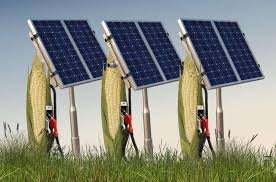
- Solar panels on 32 million hectares could generate 32,000 terawatt-hours (TWh) annually.
- This is 23 times higher than current global liquid biofuel energy production.
- The figure equals total global electricity generation in 2024.
Efficiency Comparison
- Plants convert less than 1% of sunlight into usable biomass through photosynthesis.
- Solar panels convert 15–20%, with newer designs reaching 25% efficiency.
- This explains why solar power yields far more energy per acre.
Implications for Transport Decarbonisation
- Electrified global road transport requires about 7,000 TWh annually.
- Solar on biofuel land could power all cars and trucks using less than one-quarter of that area.
- Remaining land could support food production, aviation biofuels, or rewilding.
Conclusion
- Land is scarce and costly, requiring careful allocation for climate goals.
- Solar energy offers vastly superior land-use efficiency compared to biofuel crops.
