

Syllabus: Conservation, environmental pollution and degradation, environmental impact assessment
Context and Scale of the Issue
- Aravalli districts in Rajasthan host nearly 70% of the Aravalli range.
- These districts account for less than 45% of mining leases and 40% mineral output.
- Despite this, they contribute over 56% of illegal mining cases in the State.
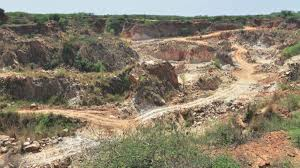
- More than 77% of FIRs on illegal mining originate from Aravalli districts.
Extent of Illegal Mining
- Between 2020–2023, Rajasthan recorded 28,166 illegal mining cases.
- 15,772 cases (56%) were registered in Aravalli districts alone.
- 2,070 out of 2,671 FIRs (77.5%) were filed from Aravalli districts.
- In 2021–22, Rajasthan reported over 10% of India’s illegal mining cases.
Legal and Policy Dispute
- Supreme Court (May 2024) noted inconsistent definitions of Aravalli hills enable illegal mining.
- Since 2010, agencies like FSI identified Aravallis using scientific physical parameters.
- A Union Environment Secretary-led committee was formed to create a uniform definition.
- Technical committee (2024) proposed slope ≥ 4.57 degrees and height ≥ 30 metres.
- Environment Ministry suggested a narrower definition using 100-metre local relief threshold.
- This narrower definition was reflected in the November 2025 Supreme Court order.
Concerns and Judicial Response
- FSI and experts warned the definition could exclude most hills from protection.
- Amicus curiae flagged risks to continuity and integrity of the Aravalli system.
- Following protests, the Court kept the judgment in abeyance.
- Union government imposed a freeze on new mining leases in the Aravalli region.
Why Rajasthan Is Critical
- 560 km of the 800-km Aravalli range lies within Rajasthan.
- The range passes through 20 districts in Rajasthan and hosts 16 wildlife sanctuaries.
- Includes three tiger reserves: Ranthambore, Sariska, and Mukundra.
Ecological Significance
- Aravallis check desertification, support groundwater recharge, and stabilise climate.
- They function as a key wildlife corridor in north-western India.
