Context and Strategic Importance
- India will host the BRICS Summit in 2026, following successful G-20 hosting in 2023.
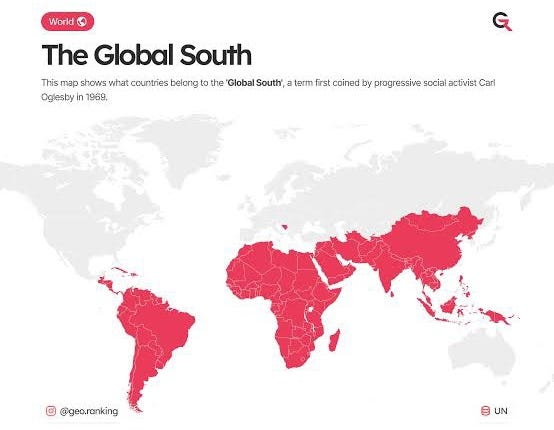
- The Summit focus should align with Global South priorities, particularly climate resilience and sustainability.
- India’s leadership aims to project an inclusive green agenda on global platforms.
Need for a Stabilising Multilateral Role
- Global multilateralism faces stress amid U.S. withdrawal from international climate engagements.
- The Trump administration plans to exit 66 international organisations, including the International Solar Alliance.
- The U.S. absence from COP30 in Belém, 2025, created space for alternative leadership.
- Europe faces domestic climate fatigue and security priorities, reducing its climate advocacy role.
- BRICS can act as a stabilising platform for collaborative sustainability and resilience efforts.
Geopolitical Balancing for India
- BRICS is perceived by the U.S. as anti-dollar and anti-American, complicating diplomatic engagement.
- India must balance BRICS leadership with strong India-U.S. trade and strategic relations.
- The G-20 Delhi Summit demonstrated India’s ability to multi-align while protecting strategic autonomy.
Climate Change as a Shared Concern
- BRICS countries face diverse but common climate risks across infrastructure, health, and ecosystems.
- Vulnerabilities include permafrost thaw, Amazon pressures, Himalayan instability, and coastal threats.
- BASIC grouping under UNFCCC remains useful, but broader developing country coalitions add leverage.
- BRICS members have presided over post-Paris climate conferences, maintaining global momentum.
Climate Finance and Global Institutions
- The BRICS Leaders’ Framework Declaration on Climate Finance, July 2025, highlighted Global South demands.
- Effective climate action requires engagement with World Bank and International Monetary Fund leadership.
- Private capital is retreating from ESG commitments and green bonds, limiting funding availability.
Expanded BRICS Influence
- BRICS now includes Egypt, Ethiopia, Indonesia, Iran, and the UAE, expanding global representation.
- The grouping represents half of the world’s population, 40% of global GDP, and 26% of trade.
India’s Opportunity
- India can shape a collaborative green and resilience-driven agenda for developing nations.
- Leadership can balance Chinese ambitions in global sustainability discourse.
- A resilience focus aligns with Ethiopia’s hosting of COP32 in 2027.