
National Framework and Targets
- India launched the National Framework for Malaria Elimination 2016–2030 with phased national targets.
- The framework aims for zero indigenous cases by 2030 across all States and Union Territories.
- An interim goal seeks interruption of indigenous transmission nationwide by 2027.
- By 2025, 160 districts across 23 States and UTs reported zero indigenous cases during 2022–2024.
Progress and WHO Assessment
- The World Malaria Report 2025 recorded India’s exit from the High Burden to High Impact Group.
- Malaria cases reduced by around 80% between 2015 and 2023 nationally.
- India contributed 73.3% of South-East Asia’s 2.7 million cases in 2024.
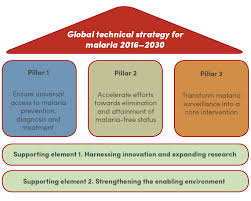
- India remains on track for the WHO Global Technical Strategy target of 75% reduction by 2025.
Testing, Treating, and Tracking Protocol
- The National Strategic Plan 2023–2027 prioritises surveillance as the core elimination intervention.
- Universal access to diagnosis, treatment, and case tracking strengthens case management.
- Enhanced vector control measures ensure universal access to malaria prevention.
- States intensify migrant worker surveillance to prevent cross-border and inter-State transmission.
State-Level Illustration
- Tamil Nadu reduced cases from 5,587 in 2015 to 321 in 2025.
- 33 of 38 districts achieved zero indigenous cases, entering Category O phase.
- Remaining districts fall under Category I, maintaining API below one per 1,000 population.
Key Challenges Highlighted
- Migration and cross-border importation risk reintroducing malaria into low-transmission regions.
- Urban, forest, tribal, and border areas require targeted subnational strategies.
- Plasmodium vivax, causing nearly two-thirds of regional cases, complicates elimination efforts.
- The WHO warns of emerging artemisinin resistance in multiple African countries.
Road Ahead and Data Integrity
- In 2023, 34 States and UTs achieved API below one, except Tripura and Mizoram.
- Experts stress mandatory reporting by private practitioners to ensure surveillance accuracy.
- Urban malaria control requires household-level water management alongside government interventions.