

Syllabus: Disaster and disaster management
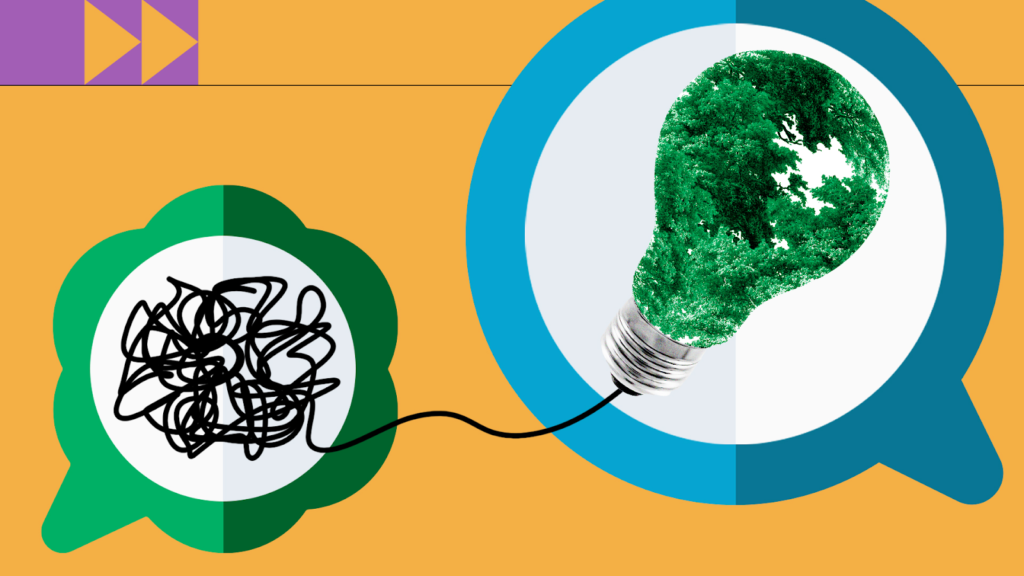
Language Gap in Climate Science Communication
- Science communication often fails due to complex jargon and inaccessible language.
- Lack of relatable terms leads to misunderstanding or poor public engagement.
- Effective climate action depends on clear, contextualised, and localised communication.
Understanding ‘Loss and Damage’
- Globally, Loss and Damage refers to climate impacts beyond adaptation capabilities.
- It includes crop destruction, cultural erosion, identity loss, ecosystems, and ancestral land disappearance.
- In India, it is translated into nuksaan aaklan and haani purti, focusing on compensation.
- Climate loss becomes framed as aapda or disaster relief, narrowing broader governance responses.
- International finance for loss and damage is often seen locally as post-disaster aid only.
Governance Implications of Narrow Language
- Complex climate impacts collapse into measurable, compensable, and administratively closed categories.
- This creates a policy gap between global commitments and local implementation realities.
- Language limitations restrict the scope of climate policy responses and planning frameworks.
Science Capacity Versus Usability Gap
- India has district-level heat projections, flood models, crop simulations, and attribution studies.
- Decision-makers often struggle to translate technical indices into actionable local policies.
- Communities receive fragmented climate messages with inconsistent vocabulary and urgency.
Limits of Information-Driven Action
- People act when information feels relevant, practical, and aligned with lived experiences.
- Heat advisories assume ability to stop work, ignoring livelihood constraints.
- Flood alerts assume literacy and smartphone access, excluding vulnerable populations.
- Risk dashboards remain technically strong but underused due to complexity.
Trust and Preparedness Models
- Odisha’s cyclone preparedness highlights public trust as critical climate infrastructure.
- Credible alerts improve evacuation success, response speed, and community cooperation.
What Climate Communication Must Deliver
- Translate projections into daily decisions on schools, labour, health, and transport planning.
- Co-create messaging with panchayat leaders, farmers, teachers, journalists, and frontline workers.
- Institutionalise communication capacity within government systems and media partnerships.
- Simplify, localise, and humanise climate science to build shared resilience and policy credibility.
