

Entry into Electoral Roll is Qualified Right
Context
- Election Commission defended Special Intensive Revision conducted in Bihar before the Supreme Court.A bench headed by Chief Justice Surya Kant examined constitutional validity of the verification process.
Constitutional Basis of Electoral Rights
- Article 326 establishes adult suffrage with specific eligibility conditions.
- Voter must be 18 years old, an Indian citizen, and not legally disqualified.
- Eligibility conditions must be continuously fulfilled, not only at initial registration.
- Entry in electoral roll described as a “qualified right”, not an absolute entitlement.
Election Commission’s Legal Position
- EC argued SIR is a verification exercise, not a citizenship determination process.
- Senior advocate stated verification ensures continued compliance with constitutional eligibility.
- Distinguished between citizenship verification and citizenship adjudication.
- Emphasised no additional conditions beyond constitutional and statutory requirements.
Statutory Framework Referenced
- EC relied on Section 16 of Representation of the People Act, 1950.
- Section 16 outlines disqualifications for registration in the electoral roll.
- EC cited Section 19, specifying conditions of voter registration.
- Claimed SIR aligns strictly with these statutory provisions.
Administrative and Electoral Impact
- EC reported no formal complaints regarding SIR implementation in Bihar.
- Door-to-door surveys reportedly increased voter turnout in 2025 elections.
- Exercise helped remove deceased and duplicate entries from electoral lists.
- EC highlighted increased public awareness and voter engagement.
Judicial Scrutiny and Key Argument
- Court examined whether SIR imposed unauthorised parameters on voter eligibility.
- EC maintained it only enforced existing constitutional and legal qualifications.
- Central claim: electoral inclusion depends on continuous proof of eligibility.
Urban Co-operative Banks (UCBs)
Urban Co-operative Banks (UCBs)
- Definition
- Member-owned, community-based banks operating mainly in urban and semi-urban areas.
- Provide deposits and credit to small borrowers, traders, salaried employees, and MSMEs.
- Operate on co-operative principles: mutual help, democratic control, one member–one vote.
- Origin and Evolution
- Urban co-operative movement began in the late 19th century.
- First urban co-operative credit society: Kanchipuram (1904) under the Co-operative Credit Societies Act, 1904.
- 1966: Brought under Banking Regulation Act, 1949, creating dual control (RBI + State Governments).
- 2004: RBI stopped new licences after governance and financial failures.
- 2020: Banking Regulation (Amendment) Act strengthened RBI’s supervisory powers.
- 2024: NUCFDC created to support technology and sector development.
- Regulation
- Dual control framework:
- RBI: Banking operations, prudential norms, supervision.
- State Governments/Registrars: Management and incorporation aspects.
- Dual control framework:
- Key Functions
- Mobilise deposits from local communities.
- Provide credit to MSMEs, traders, professionals, and households.
- Support financial inclusion and urban informal sector.
PM E-DRIVE Scheme
Context: Cabinet-approved flagship initiative to accelerate electric vehicle (EV) adoption and strengthen charging infrastructure and domestic manufacturing.
| Component | Details |
|---|---|
| Outlay | ₹10,900 crore |
| Duration | October 2024 – March 2026 |
| Nodal Ministry | Ministry of Heavy Industries |
| Builds on | FAME-I (2015), FAME-II (2019) |
PM E-DRIVE Scheme
- Overview
- Full form: Prime Minister Electric Drive Revolution in Innovative Vehicle Enhancement
- Outlay: ₹10,900 crore
- Duration: October 2024 – March 2026
- Nodal Ministry: Ministry of Heavy Industries (MHI)
- Objective: Expand EV adoption, build nationwide charging network, support Aatmanirbhar Bharat in EV manufacturing.
- Background
- Builds on FAME-I (2015) and FAME-II (2019).
- Focuses on scaling electric two-wheelers and three-wheelers and clean public transport.
- Eligibility Conditions
- Only EVs with advanced batteries qualify.
- Government-procured EVs excluded to avoid internal fund transfers.
- Vehicles must be registered under Central Motor Vehicles Rules, 1989.
- e-2Ws and e-3Ws must be manufactured and registered within scheme period.
Key Components of the Scheme
- Target Beneficiaries
- Commercial and private e-2Ws and e-3Ws with advanced batteries.
- e-ambulances, e-trucks with valid scrapping certificates.
- Electric buses for public transport systems.
- Demand Incentives
- Incentive capped at 15% of ex-factory price or fixed per-vehicle ceiling, whichever is lower.
- Only EVs below specified price thresholds are eligible.
- Charging Infrastructure
- Target: 72,300 public fast chargers across major cities and highways.
- BHEL to develop a digital “Super App” for charger booking, payments, and real-time availability.
- Testing Agencies Upgradation
- ₹780 crore allocated for upgrading MHI testing facilities.
- Supports certification and quality assurance for green mobility technologies.
Wings India 2026

Context: Asia’s largest civil aviation event scheduled at Begumpet Airport, Hyderabad, from 28–31 January 2026.
Wings India 2026
| Aspect | Details |
|---|---|
| Dates | 28-31 January 2026 |
| Venue | Begumpet Airport, Hyderabad (permanent venue) |
| Organiser | Ministry of Civil Aviation |
| Theme | Indian Aviation: Paving the Future |
- Overview
- Type: Biennial global civil aviation exhibition and conference
- Organised by: Ministry of Civil Aviation, Government of India
- Permanent Venue: Hyderabad, Telangana
- Theme: Indian Aviation: Paving the Future – From Design to Deployment, Manufacturing to Maintenance, Inclusivity to Innovation, Safety to Sustainability
- History
- Launched as: India Aviation in 2008
- Rebranded: Wings India
- Notable milestone: First edition featured Airbus A380 landing at Begumpet Airport
- Aim
- Position India as a global aviation hub across connectivity, manufacturing, MRO, cargo, training, and innovation.
- Facilitate investment, technology transfer, partnerships, and policy dialogue.
- Key Features
- Aircraft displays: Static and flying exhibitions; 30+ aircraft.
- Business engagements: 500+ B2B and B2G meetings, CEO roundtables, investor sessions.
- Ecosystem coverage: Airlines, airports, OEMs, MROs, lessors, startups, regulators, training institutes.
- Focus areas: Sustainable Aviation Fuel (SAF), green airports, digital air navigation, advanced air mobility.
- Significance
- Highlights India as a fast-growing aviation market with rising passenger demand and large aircraft orders.
- Showcases national initiatives like UDAN, greenfield airports, MRO policy reforms, and aerospace manufacturing expansion.
Polar Vortex
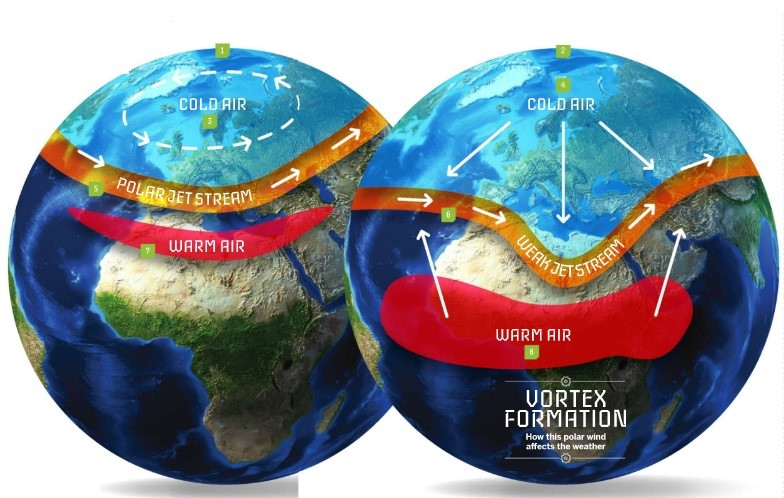
Context: A polar vortex–driven winter storm affected nearly 17 U.S. states in January 2026, causing snow, freezing rain, and severe cold.
| Type | Location | Influence |
|---|---|---|
| Tropospheric | Lower atmosphere | Day-to-day weather |
| Stratospheric | Upper atmosphere | Large-scale circulation |
Polar Vortex
- Definition
- Large, persistent low-pressure system of extremely cold air circling Earth’s polar regions.
- Present mainly during winter, strongest in the Northern Hemisphere.
- Types
- Tropospheric Polar Vortex:
- Located in the lower atmosphere.
- Directly influences day-to-day weather.
- Stratospheric Polar Vortex:
- Located in the upper atmosphere.
- Strongest in winter and influences large-scale circulation.
- Tropospheric Polar Vortex:
- Formation
- Reduced solar heating at poles during winter cools air strongly.
- Cold, dense air creates a low-pressure system.
- Strong circular winds form, usually confining Arctic air near the poles.
- Disruption Factors
- Jet stream waviness: Weak vortex allows cold air to move southward.
- Sudden Stratospheric Warming (SSW): Rapid stratospheric heating weakens or splits vortex.
- Arctic amplification: Faster Arctic warming reduces temperature gradient, destabilising winds.
- Blocking high-pressure systems: Redirect cold air into mid-latitudes.
- Impacts
- Local: Extreme cold waves, heavy snow, ice storms, power outages, transport disruption.
- Health risks: Increased hypothermia and frostbite cases.
- Global: Cold surges in North America, Europe, and Asia.
- Climate link: Highlights changing atmospheric circulation amid global warming.
Hemileccinum Indicum
About
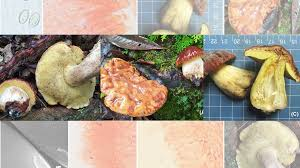
- Newly discovered bolete mushroom species belonging to the genus Hemileccinum.
| Feature | Description |
|---|---|
| Location | Bageshwar district, Uttarakhand (temperate Himalayan forests under oak) |
| Significance | First record of genus Hemileccinum in India |
| Identification | Multigene molecular phylogenetic analysis |
| Morphology | Pores (not gills), wrinkled violet-brown cap, pastel yellow pore surface |
| Ecology | Ectomycorrhizal (symbiotic with tree roots) |
- Discovery Site:
- Bageshwar district, Uttarakhand
- Found in temperate Himalayan forests, growing under oak (Quercus) trees.
- Scientific Significance:
- First record of genus Hemileccinum in India.
- Identification confirmed using multigene molecular phylogenetic analysis.
- Morphological Features:
- Bolete type: Pores instead of gills under the cap.
- Cap: Wrinkled, violet-brown, fading to leathery brown with age.
- Pore surface: Pastel yellow, no colour change on bruising.
- Spores: Tiny, intricate pits visible microscopically.
- Stem: Smooth surface, unlike scaly stems in related species.
- Ecological Role:
- Ectomycorrhizal fungus forming symbiotic association with tree roots.
- Enhances nutrient exchange and forest ecosystem health.
Bacillus Subtilis
About
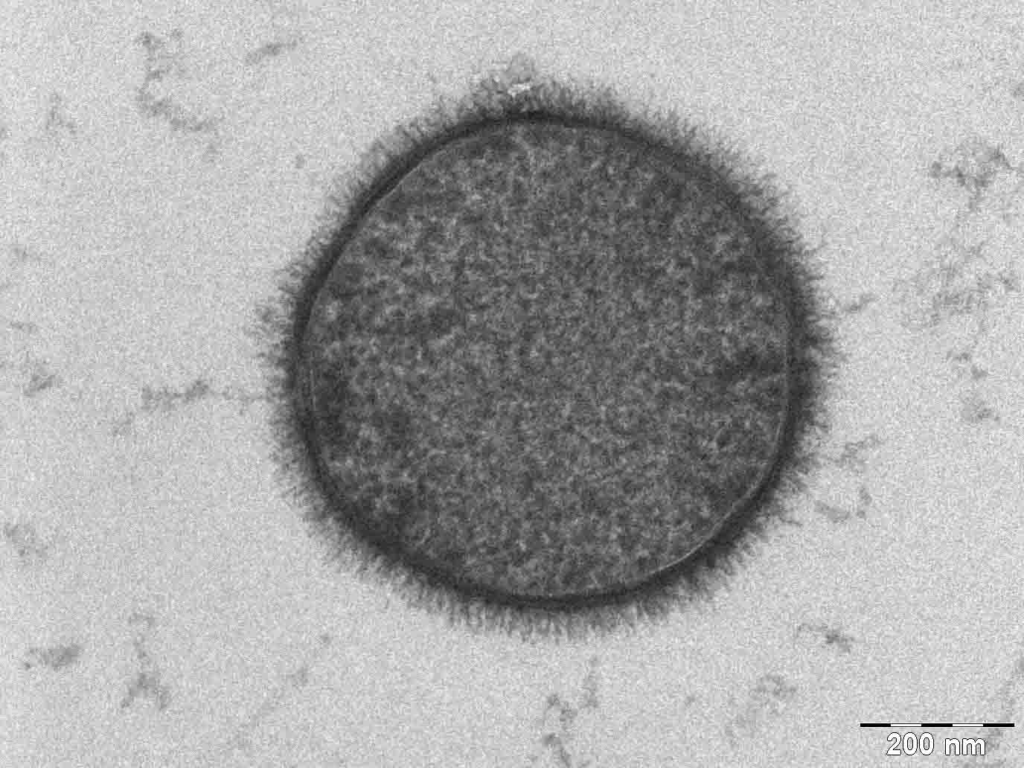
- Gram-positive, rod-shaped, spore-forming bacterium used as a probiotic and model organism.
- Status: Declared State Microbe of Kerala.
- Habitat:
- Naturally found in soil, vegetation, human gut, and fermented foods.
- Optimal growth temperature: 25°C–35°C.
- Key Characteristics:
- Motile, facultative aerobe, Gram-positive.
- Produces endospores resistant to heat and UV radiation.
- Possesses five signal peptidase genes aiding antibiotic secretion.
- Antibiotic Production: Secretes polymyxin, difficidin, subtilin, and mycobacillin.
- Biological Importance:
- Model organism for endospore formation studies.
- Non-pathogenic, but opportunistic in immunocompromised individuals.
- Applications:
- Used as biological fungicide in agriculture.
- Competes with plant pathogens in root zones.
- Certain strains act as insecticidal agents.
- Endospores used to test sterilants and sporicides.
Chatergala Pass
Location:
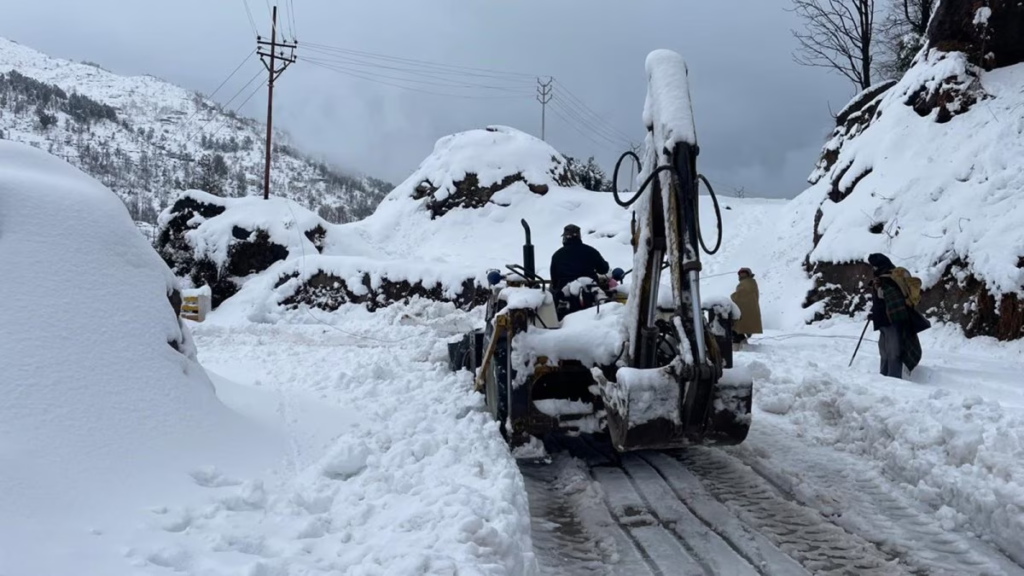
- Altitude: ~10,500 feet
- Region: Bhaderwah–Chatergala axis, Jammu region, UT of Jammu and Kashmir
- Connectivity: Links Bani (Kathua district) with Bhaderwah (Doda district)
Physiographic Setting:
- Part of the Chamba–Doda ranges of the Greater Himalayas.
- Surrounded by alpine meadows, dense forests, and snow-clad peaks
Biodiversity:
- Fauna includes Himalayan monal, ibex, and musk deer
Strategic Relevance:
- Key high-altitude route for civilian movement and border-area connectivity
- Maintained under BRO’s Project Sampark
About Border Roads Organisation (BRO)
- Nature: Road construction executive force supporting Indian Armed Forces in border regions.
- Establishment: 7 May 1960
- Ministry: Fully under Ministry of Defence (since 2015)
- Functions:
- Develops and maintains strategic roads, bridges, and infrastructure in border areas.
- Operates in remote northern and northeastern regions and friendly neighbouring countries.
- Leadership:
- Headed by Director General of Border Roads (DGBR)
- Rank: Lieutenant General
- Cadre Composition:
- Parent cadre: General Reserve Engineer Force (GREF)
- Also staffed by Indian Army Corps of Engineers (deputation)
- Workforce: Employs 2+ lakh local workers in remote and border regions.
- Motto: “Shramena Sarvam Sadhyam” (Everything is achievable through hard work)
Aralam Butterfly Sanctuary
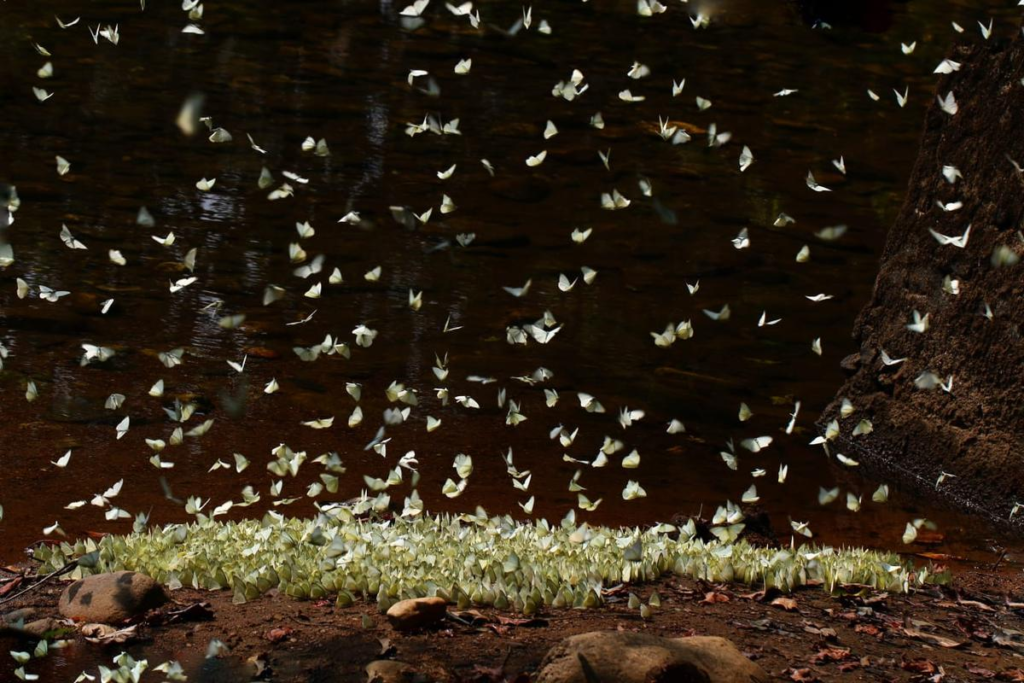
Context: Kerala renamed Aralam Wildlife Sanctuary as Aralam Butterfly Sanctuary, making it the first butterfly sanctuary in the state.
About the Sanctuary
- Protected area in the Western Ghats dedicated to butterfly conservation and habitat protection.
- Location
- District: Kannur, Kerala
- Physiography: Western slopes of the Western Ghats
- Boundaries:
- Brahmagiri Wildlife Sanctuary, Karnataka (north/east)
- Kottiyoor Wildlife Sanctuary, Kerala (south)
- History
- Constituted: 1984 under the Wildlife (Protection) Act, 1972
- Origin: Carved from vested private forests and reserved forests
- Renamed: 2025–26, on recommendation of the State Board for Wildlife
- Geographical Features
- Area: ~55 sq km
- Forest type: Evergreen and semi-evergreen
- Drainage: Cheenkanni River system
- Climate:
- Rainfall: 4,000–6,000 mm annually
- Temperature: 11°C–40°C
- High humidity and microclimatic variation
- Biodiversity
- Butterflies: 266 of Kerala’s 327 species recorded
- Ecological phenomena: Mass migration and mud-puddling sites
- Fauna: Slender Loris (Schedule I) and Western Ghats endemics
- Significance
- India’s unique insect-focused conservation model
- Butterflies as ecosystem health indicators and pollinators
- Strengthens Western Ghats (UNESCO biodiversity hotspot) protection
- Promotes eco-tourism and conservation awareness
