

Syllabus: Issues and challenges pertaining to the federal structure
Background and Case Context
- Supreme Court admitted petitions challenging ED’s right to invoke writ jurisdiction.
- Petitions filed by Kerala and Tamil Nadu governments against a Kerala High Court ruling.
- Case centres on diplomatic gold smuggling investigation in Kerala.
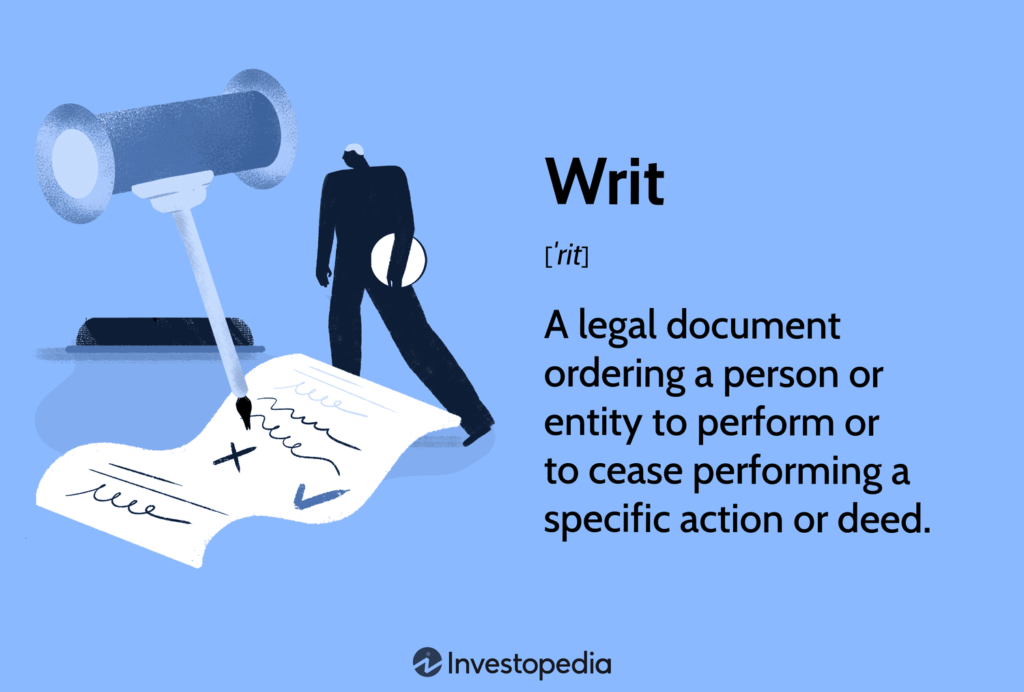
Constitutional Framework on Writs
- Article 32 empowers Supreme Court to issue writs for enforcing fundamental rights.
- Article 226 grants High Courts wider authority for fundamental and legal rights enforcement.
- Constitution recognises five writs: habeas corpus, mandamus, prohibition, certiorari, quo warranto.
- Courts exercise discretion, often refusing writs if alternative remedies exist.
- Article 361 bars mandamus against the President and Governors in official functions.
Kerala High Court Ruling
- High Court held ED as a statutory body entitled to file writs.
- ED established under Section 36 of FEMA, 1999, through a 2000 notification.
- Officers designated statutory authorities under Sections 48 and 49 of PMLA, 2002.
- Court termed ED’s alleged lack of juristic personality a “matter of form, not substance”.
State Governments’ Arguments
- Kerala argued ED is a Union department, not a juristic entity.
- Claimed ED lacks legal personality to sue or be sued independently.
- Cited Chief Conservator of Forests (2003) discouraging Centre-State writ petitions.
- Asserted disputes must proceed under Article 131, conferring exclusive Supreme Court jurisdiction.
- Tamil Nadu alleged ED misused the ruling in illegal mining proceedings before Madras High Court.
Significance and Federal Implications
- Case questions whether ED equals autonomous regulators like RBI or SEBI.
- Experts view ED as an instrumentality of the Union government, not an independent body.
- Outcome may redefine Centre-State dispute resolution mechanisms.
- Ruling impacts balance of power, federalism, and limits of central investigative authority.
