

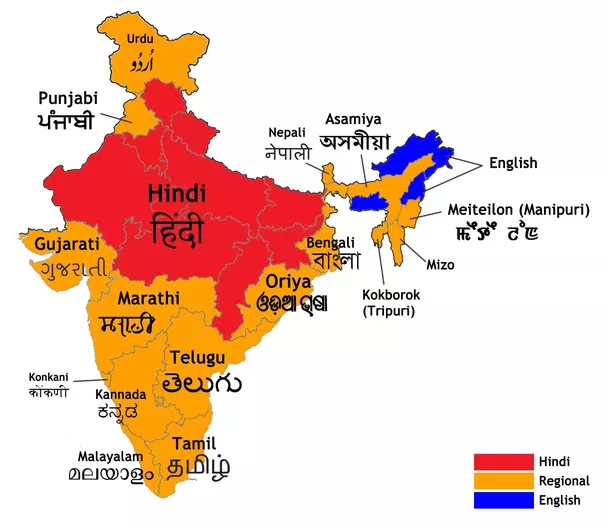
India’s Linguistic Diversity and Social Identity
- India is home to over 1,300 mother tongues and 121 recognised languages.
- Linguistic diversity represents a living expression of India’s plural social fabric.
- Language shapes children’s understanding of identity, culture, and community belonging.
- The disappearance of languages erodes generational knowledge and cultural memory.
- Safeguarding languages is both a cultural duty and developmental responsibility.
Language, Education and Social Equality
- Globally, over 250 million learners lack education in familiar languages.
- In India, nearly 44% children begin schooling in unfamiliar mediums.
- Learning in unfamiliar languages weakens foundational literacy and numeracy outcomes.
- Such barriers reduce confidence and increase risks of early dropout.
- Mother-Tongue-Based Multilingual Education improves comprehension and classroom participation.
Policy Framework and Institutional Initiatives
- National Education Policy 2020 prioritises mother tongue in early education.
- National Curriculum Frameworks 2022 and 2023 reinforce multilingual pedagogy principles.
- Odisha’s programme supports 21 tribal languages across 17 districts.
- Telangana uses DIKSHA-enabled multilingual resources for inclusive digital learning.
- National platforms like PM eVIDYA and BHASHINI promote linguistic inclusion.
Constitutional Safeguards and Language Politics
- Article 29 protects citizens’ rights to conserve language and culture.
- Article 30 grants minorities rights to establish educational institutions.
- The Eighth Schedule currently recognises 22 official languages.
- Language movements shaped federal politics and regional identity assertions.
- Language debates reflect tensions between national integration and autonomy.
Language in Nation-Building and Democratic Participation
- Language strengthens collective identity and shared historical consciousness.
- Linguistic recognition enhances belonging and reduces social alienation.
- Imposition of language may generate resentment and identity conflicts.
- Multilingualism strengthens democratic participation and social cohesion.
- Recognising linguistic diversity reinforces inclusive and participatory nation-building.
