

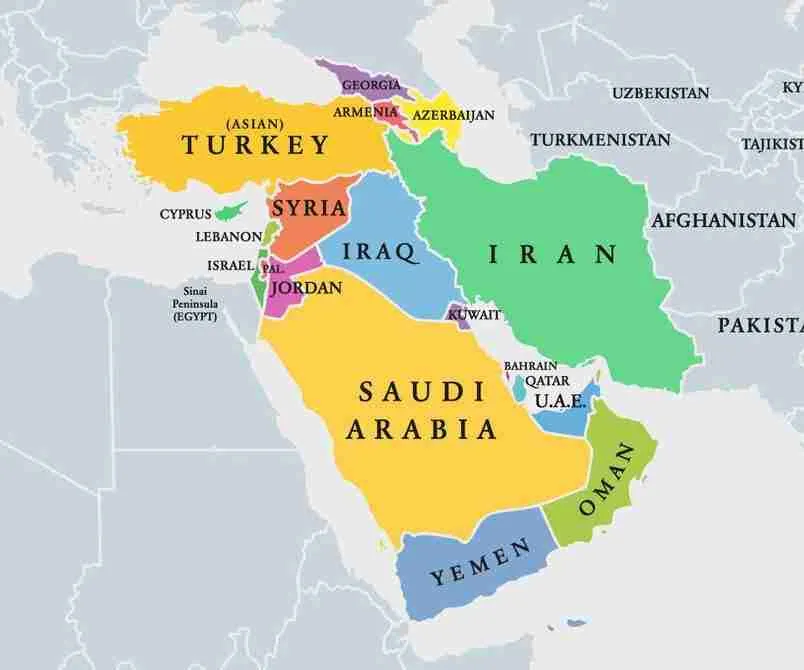
Context
- The West Asia conflict directly impacted South Asia, highlighted by the sinking of the IRIS Dena in the Indian Ocean. The crisis has disrupted fuel, food, fertilizers, trade, travel, and daily essentials, affecting economies across the region.
- Around 25 million South Asians live in West Asia, including 10 million Indians. Additionally, a large number of South Asian seafarers (Indians form ~15%) face risks, especially around the Strait of Hormuz.
India’s Diplomatic Posture: Need for Balance
- India’s initial response to the conflict appeared out of sync with regional sentiment, as neighbours like Bangladesh, Pakistan, Maldives and Sri Lanka responded more quickly with condolences or balanced statements.
- India delayed its response and did not explicitly criticise U.S.-Israel actions, while condemning Iran’s retaliation.
- This marked a deviation from India’s traditional approach of strategic balance and neutrality in West Asia.
- India’s earlier strength lay in maintaining goodwill with all sides, enabling outcomes such as safe passage for Indian ships through the Strait of Hormuz.
Regional and Economic Implications
- The conflict has intensified energy shortages, prompting neighbours such as Bangladesh, Sri Lanka and Maldives to seek fuel supplies from India.
- South Asia has already faced multiple crises since 2020 such as COVID-19 pandemic, India-China tensions, Russia-Ukraine conflict affecting food and fertilizers, trade disruptions and tariff impacts and declining remittances from West Asia.
- Rising economic stress has contributed to youth unrest and political changes, including new governments in countries like Nepal.
- India must adopt an “all-of-region approach”, avoiding past disruptions such as the temporary halt in vaccine exports during COVID-19.
Maritime and Strategic Concerns
- The sinking of IRIS Dena by the U.S. near Sri Lanka challenges India’s image as a net security provider in the region.
- It also raises concerns about coordination within platforms like the Quad, which emphasises stability and opposition to unilateral actions.
- India must strengthen regional maritime cooperation through:
- Indian Ocean Rim Association (IORA),
- Colombo Security Conclave,
- Information Fusion Centre – Indian Ocean Region (IFC-IOR).
- Greater focus is needed on regional trade, connectivity, and energy-sharing mechanisms, along with dialogue on collective security.
Way Forward: Restoring Strategic Balance
- India must return to its balanced West Asia policy, engaging all sides without taking rigid positions.
- It should reassure neighbours of its commitment to regional stability, energy security and crisis support.
- Strengthening regional cooperation mechanisms and ensuring timely assistance during crises will be crucial.
- At the global level, India should use platforms like the Quad and BRICS to promote dialogue, coordination and stability.
- A calibrated, balanced diplomacy will help India protect its diaspora, economic interests and regional leadership role.
Conclusion: India’s neighbourhood diplomacy is being tested by the West Asia crisis. A balanced, responsive and region-sensitive approach will be essential to safeguard both national interests and regional stability.
