

Context
- Recent stampede at Sheetla Mata temple, Nalanda (Bihar) led to multiple deaths, highlighting recurring failures. India continues to witness frequent stampedes despite past tragedies, indicating gaps in crowd management and preparedness.
- The NCRB data shows 3,074 deaths between 2000–2022, with nearly 4,000 incidents in three decades. These incidents raise concerns about public safety, administrative accountability, and disaster preparedness.
Understanding Stampedes: Nature and Scientific Basis
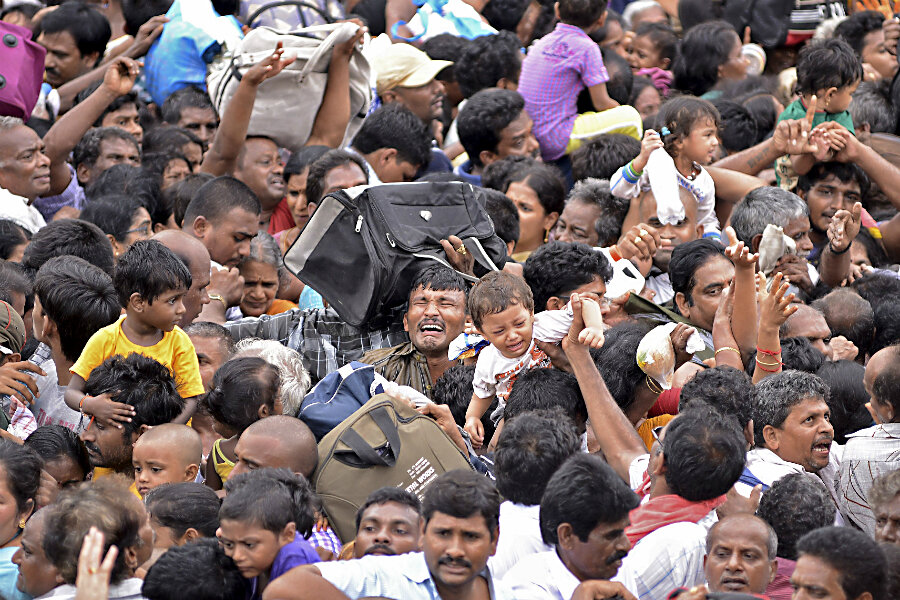
- A stampede is a sudden, uncontrolled rush of people triggered by panic, fear, or excitement in crowded spaces.
- Most deaths occur not due to trampling alone but due to compressive asphyxia, where chest pressure prevents breathing.
- The “black hole effect” occurs when one person falls, creating a void that destabilises others.
- This leads to a domino effect, forming a pile-up where individuals suffer from hypoxia and hypercapnia.
- Thus, stampedes are less about crowd size and more about crowd density and movement dynamics.
Causes and Impact of Stampedes
- Immediate and Behavioral Triggers
- Rumours, sudden obstructions, or panic situations can trigger uncontrolled crowd movement.
- Behavioural factors such as fear, impatience, and disregard for norms amplify chaos.
- Systemic and Administrative Failures
- Poor planning, underestimation of crowd size, and lack of preparedness lead to avoidable disasters.
- Weak coordination among agencies reflects gaps in institutional capacity and governance.
- Infrastructure Deficiencies
- Narrow pathways, blocked exits, and unsafe surfaces increase the risk of falls and chain reactions.
- Lack of proper signage and crowd flow design worsens congestion and confusion.
- Impacts
- Stampedes cause sudden deaths, serious injuries, and long-term psychological trauma.
- They erode public trust in authorities and create social unrest and fear around public gatherings.
- Economic losses arise due to reduced participation in religious, cultural, and commercial events.
Major Stampede Incidents in India
- Hathras (2024): Over 121 deaths during a religious gathering, mostly affecting women and children.
- Prayagraj (2025): Stampede during Mahakumbh Mela due to massive crowd surge.
- Tirupati (2025): Crowd rush at token counters led to casualties.
- Bengaluru (2025): Celebration-related stampede near Chinnaswamy Stadium caused multiple deaths.
- Mumbai Bridge (2017): Rush-hour stampede resulted in 22 deaths.
- These examples highlight recurring patterns of poor planning and crowd mismanagement.
NDMA Guidelines for Crowd Management
- Pre-Event Planning
- Scientific crowd estimation and capacity-based planning are essential for safety.
- Proper site design with clear entry and exit routes ensures smooth crowd movement.
- Structural and Infrastructure Measures
- Installation of barricades, wide exits, and zig-zag queue systems reduces crowd pressure.
- Ensuring mobile connectivity and communication systems helps in real-time coordination.
- On-Ground Management
- Use of CCTV and analytics enables real-time monitoring of crowd density.
- Traffic and parking management reduces external congestion affecting crowd flow.
- Awareness and Preparedness
- Public awareness campaigns and training of personnel promote responsible crowd behaviour.
- Clear SOPs ensure coordination among multiple agencies.
- Emergency Response
- Deployment of medical teams, Quick Reaction Teams, and Incident Command Systems ensures rapid response.
Global Best Practices
- Saudi Arabia (Hajj): Use of crowd simulations and staggered entry timings improved safety.
- United Kingdom (Wembley Stadium): Infrastructure designed with multiple exits for safe evacuation.
- South Korea: AI-based CCTV systems monitor crowd density and provide early warnings.
- Japan: Timed ticketing and staggered entry prevent sudden overcrowding.
- These practices highlight the importance of technology, planning, and behavioural regulation.
Way Forward: Towards Safer Public Spaces
- Technology-Driven Solutions
- Deploy AI-based crowd monitoring, drones, and real-time data analytics for early risk detection.
- Use mobile network and Wi-Fi heat maps to identify crowd density hotspots.
- Behavioural and Social Interventions
- Use public messaging, visual cues, and trained personnel to calm and guide crowds effectively.
- Promote a culture of safety through mass awareness campaigns and civic responsibility.
- Institutional and Legal Reforms
- Enact a comprehensive Crowd Safety Law defining responsibilities and liabilities of organisers.
- Introduce independent safety audits and maintain a national database of stampede incidents.
- Infrastructure and Planning
- Invest in safe public infrastructure with adequate exits, signage, and crowd flow design.
- Ensure strict compliance with NDMA guidelines for all large public gatherings.
Conclusion
- Stampedes are not inevitable accidents but preventable disasters arising from gaps in planning, infrastructure, and behaviour. A humane approach that prioritises safety, dignity, and preparedness can transform mass gatherings into secure public experiences.
