

Context
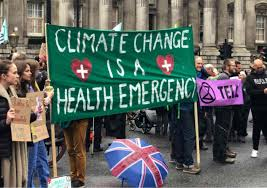
- Climate change is increasingly being recognised not only as an environmental issue but as a public health emergency affecting human well-being.
- In India, its impact is already visible through rising disease burdens, extreme weather events, and stress on healthcare systems.
- The issue demands a shift in perspective from ecological concern to human survival and health security.
Climate Change as a Public Health Issue
- Climate change intensifies existing diseases and creates conditions for the emergence of new health threats.
- It affects multiple determinants of health, including water, air quality, food systems, and living conditions.
- The crisis is multidimensional, linking environmental changes with medical, social, and economic consequences.
- Recognising climate change as a public health issue highlights its direct impact on human life and healthcare systems.
Major Health Impacts of Climate Change
- Water-borne and Sanitation-related Diseases
- Frequent urban flooding in cities like Mumbai leads to contamination of water, increasing diseases such as cholera, typhoid, hepatitis A, and leptospirosis.
- Drought conditions force dependence on unsafe water sources, increasing diarrhoeal diseases and chronic dehydration.
- Vector-borne and Infectious Diseases
- Changing temperature and rainfall patterns are expanding the spread of diseases such as dengue and malaria.
- Dengue peaks have shifted from September to November in Delhi-NCR, indicating altered disease cycles.
- Malaria is now being reported in cooler regions like Himachal Pradesh, where it was previously rare.
- Air Pollution and Non-Communicable Diseases
- Increased energy demand leads to higher emissions of PM2.5, which affects lungs, heart, and kidneys.
- Exposure contributes to conditions such as asthma, COPD, hypertension, heart attacks, and stroke.
- Heat Stress and Mortality
- Rising temperatures increase heat stress, leading to heat strokes and cardiovascular strain.
- Regions like Odisha, Telangana, and Vidarbha report increasing heat-related deaths.
- Rising night-time temperatures reduce the body’s ability to recover from heat exposure.
- Maternal and Child Health
- Exposure to extreme heat and pollution is linked to preterm births and low birth weight.
- Food Security and Nutrition
- Extreme weather disrupts crop cycles, leading to food shortages and rising prices.
- Declining nutritional quality contributes to micronutrient deficiencies and chronic malnutrition.
- Heat stress reduces milk production, affecting child nutrition and immunity.
Emerging Trends and Risks
- Climate change is expanding the geographical spread of diseases, exposing new populations to infections.
- Disease patterns are shifting, with changes in seasonality and duration of outbreaks.
- Health risks are becoming more complex due to interlinked environmental and biological factors.
- Climate-related health impacts are intensifying in both urban and rural regions simultaneously.
Structural and Systemic Challenges
- Public health systems are often underprepared to handle emerging climate-linked diseases at scale.
- Urban infrastructure struggles with waterlogging, sanitation, and pollution management.
- Vulnerable groups, including manual labourers, children, and the poor, face disproportionate risks.
- There is limited integration between climate policy and health policy, weakening response mechanisms.
Way Forward
- Climate change must be formally integrated into public health planning and policy frameworks.
- Strengthening healthcare infrastructure and disease surveillance systems is essential.
- Urban planning must address drainage, sanitation, and heat mitigation strategies.
- Climate-resilient agriculture and food systems must be promoted to ensure nutrition security.
- Inter-sectoral coordination between environment, health, and agriculture sectors must be strengthened.
- Public awareness must be increased to build community resilience and adaptive capacity.
Conclusion
- Climate change is no longer a distant environmental concern but a present and escalating public health crisis. Addressing it requires a human-centric approach that integrates health, environment, and development policies to safeguard lives and future generations.
