

India-Oman CEPA
Context
- India and Oman share commercial and maritime links dating back thousands of years through spices, textiles and frankincense trade. The India-Oman Comprehensive Economic Partnership Agreement (CEPA) came into force on June 1, 2026.
- Bilateral trade has grown from USD 8.94 billion in FY2023-24 to USD 11.18 billion in FY2025-26. The Oman CEPA follows India’s agreements with UAE, Australia, EFTA, UK, New Zealand and the European Union.
About the CEPA
- Tariff Coverage: Oman offers duty-free access on 98.08% of tariff lines covering 99.38% of India’s exports by value.
- Pre-CEPA Status: Only 15.33% of India’s exports entered Oman at zero duty under the Most Favoured Nation regime earlier.
- Services Trade: Bilateral services trade stood at USD 863 million in 2024 with India enjoying a surplus of nearly USD 447 million.
- Professional Mobility: Oman has made binding commitments for Indian professionals in accounting, engineering, IT, healthcare, education and consulting.
- Trade Facilitation: Oman will accept India’s Export Inspection Council certificates eliminating duplicative testing and inspections entirely.
- Certification Recognition: India’s NPOP organic and halal certification systems have been formally recognised by Oman under this agreement.
- Healthcare Opportunity: Provisions for AYUSH and traditional medicine create new opportunities for Indian wellness services in the Gulf.
Advantages
- Textiles: India holds 43% of woven and 31% of knitted apparel imports in Oman and removal of 5% tariff strengthens competitiveness against China.
- Chemicals: India already supplies 39% of Oman’s inorganic chemical imports and tariff-free access will amplify this position further.
- Engineering Goods: Oman imports USD 3.7 billion in machinery and USD 3.3 billion in automotives annually where India’s share remains very low.
- Pharmaceuticals: Fast-tracked regulatory approvals for internationally certified products will reduce compliance costs and accelerate market entry for Indian companies.
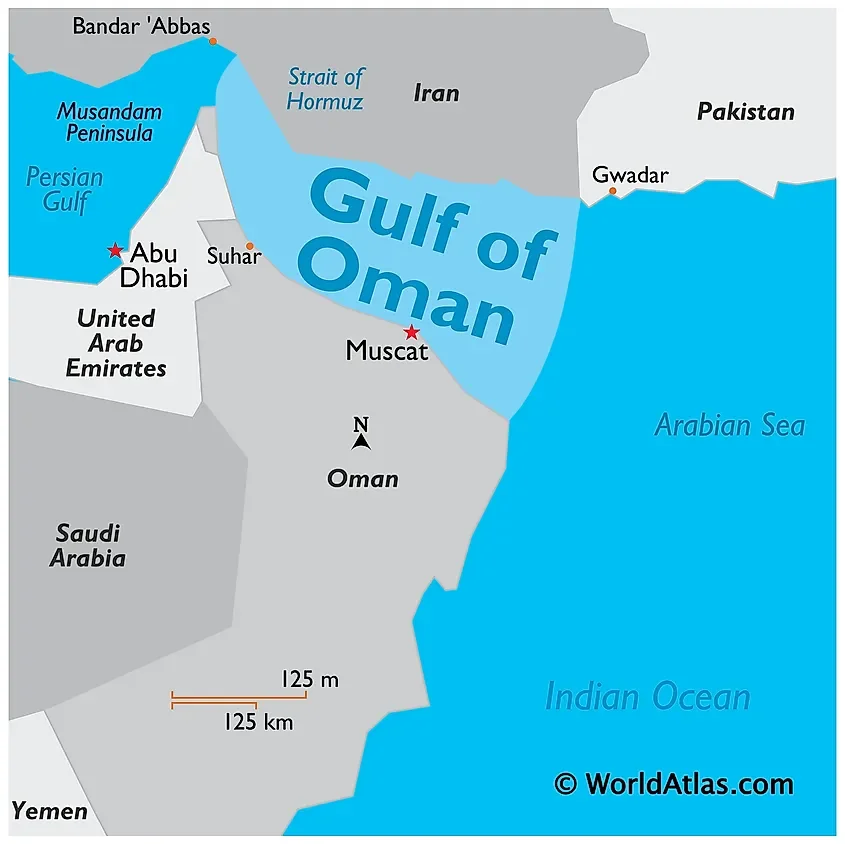
- Strategic Location: Oman’s ports at Sohar, Duqm and Salalah serve as gateways to the wider GCC region and East African economies.
- Regional Diversification: The CEPA strengthens India’s presence in a region central to its energy security, trade and strategic interests.
Persisting Issues
- India’s share in Oman’s global services imports remains just over 5% indicating significant untapped potential that still needs to be realised.
- Engineering goods market share in Oman is only 5% for machinery and 2% for automotives reflecting very limited penetration currently.
- Sensitive sectors including dairy, cereals, edible oils and several agricultural commodities have been kept outside tariff concessions to protect domestic producers.
- The real test lies in implementation and utilisation by Indian businesses to actually convert opportunities into tangible export growth.
Way Forward
- Leverage Tariff Benefits: Indian exporters must actively utilise duty-free access across textiles, chemicals and engineering goods sectors immediately.
- Pharmaceutical Expansion: Indian companies should fast-track regulatory filings to capture a larger share of Oman’s growing pharmaceutical market.
- Services Growth: India must actively promote IT, healthcare and professional services to increase its current 5% share in Oman’s services imports.
- Gateway Strategy: Indian businesses should treat Oman’s strategic ports as hubs for deeper integration with GCC and East African markets.
