

Integrated Energy Policy: UPSC Mains Notes
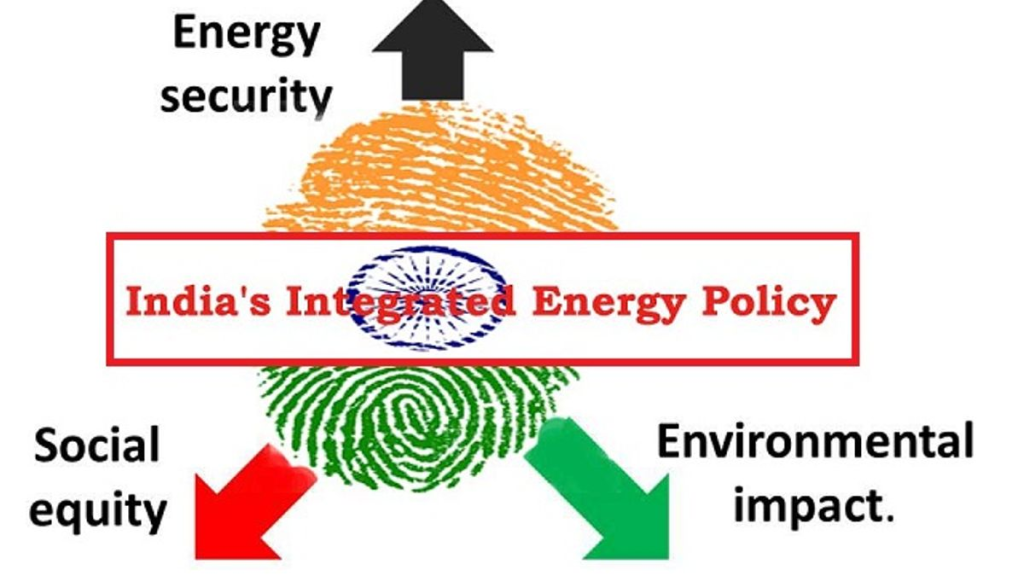
In News
- The Indian National Science Academy released a policy brief advocating a unified national framework for India’s energy transition. The proposed framework supports energy self-reliance by 2047 and the net-zero emissions target by 2070.
Need for an Integrated Energy Policy
- India’s energy demand will continue rising alongside industrialisation, urbanisation and sustained economic development.
- Continued dependence on oil imports and natural gas necessitates coordinated long-term energy planning.
- Multiple priorities, including energy security, affordability and sustainability, require integrated governance across diverse energy resources.
- Expanding renewable capacity demands stronger coordination among generation, transmission, storage and distribution systems.
- A unified policy framework can align technologies, institutions and energy resources towards common national objectives.
Key Features of an Integrated Energy Policy
- Four-Pillar Framework: The policy is built around adequacy, access, affordability and appropriate sustainability as guiding principles.
- Adequacy: Reliable and diversified energy supplies are supported through infrastructure, storage systems and digital technologies.
- Access: Reliable and equitable energy services are strengthened through better last-mile delivery and decentralised energy solutions.
- Affordability: Innovative financing, efficient markets and consumer safeguards promote an economically inclusive energy transition.
- Appropriate Sustainability: Energy solutions are aligned with India’s developmental priorities, resource endowments and regional requirements.
- Cross-Cutting Enablers: Circular economy practices and CCUS complement renewable energy deployment and industrial emission reduction.
- Phased Transition: The framework recommends gradual integration of low-carbon technologies over multiple decades.
Significance of an Integrated Energy Policy
- Energy Security: Coordinated planning strengthens resilience against future supply disruptions and long-term energy vulnerabilities.
- Resource Optimisation: Integrated planning enables balanced utilisation of coal, renewables, biomass, natural gas and emerging technologies.
- Institutional Coordination: A unified framework aligns diverse institutions, technologies and energy resources towards national objectives.
- System Resilience: Greater coordination improves reliability across generation, transmission, storage and distribution infrastructure.
- Sustainable Growth: The framework balances affordability, sustainability and economic development through long-term strategic planning.
Challenges of an Integrated Energy Policy
- Import Dependence: Continued reliance on imported oil and natural gas creates long-term energy security concerns.
- Complex Energy System: Diverse fuels, technologies and institutions require coordinated governance across multiple sectors.
- Rising Energy Demand: Industrialisation and urbanisation continue increasing pressure on India’s expanding energy infrastructure.
- Transition Management: Simultaneously balancing energy security, affordability and sustainability remains a complex policy challenge.
- Institutional Integration: Coordinating conventional and emerging energy technologies requires sustained long-term policy alignment.
Way Forward
- Integrated Planning: Energy policies should coordinate conventional fuels, renewable resources and emerging technologies under a unified framework.
- Infrastructure Development: Investments should strengthen transmission, storage and digital infrastructure supporting diversified energy systems.
- Emerging Technologies: Green hydrogen, CCUS and circular economy practices should complement renewable energy deployment.
- Institutional Coordination: Long-term governance mechanisms should facilitate coordinated planning across energy sectors and institutions.
- Phased Transition: Energy transition strategies should progressively integrate low-carbon technologies with India’s developmental priorities.
Source: The Hindu
