

UPSC Prelims
7 Topics
Prelims Pinpointer
Prelims Pinpointer — August 17, 2026
Today’s 7 must-know Prelims facts: hexavalent chromium contamination, Onam & Athachamayam, the Mahadayi dispute, Hara mangroves and the Qeshm oil spill, the Ujjain stupa, HPV vaccination, and the Cauvery Wildlife Sanctuary firing.
🧪 Chromium Contamination
🐅 Onam & Athachamayam
🌊 Mahadayi Dispute
🌿 Hara Mangroves
🏛️ Ashoka Stupa, Ujjain
💉 HPV Vaccination
🐯 Cauvery Sanctuary
🧪
Hexavalent Chromium Groundwater Contamination in UP
News Context
- Groundwater in many areas across UP districts has been contaminated with Hexavalent Chromium [Chromium (VI)] due to decades of industrial waste dumping.
About Chromium — Key Facts
- Chromium: a naturally occurring hard, greyish metal found in rocks and soil.
- Chromium (VI) / Hexavalent Chromium: an industrially produced compound, bright yellow-green in colour and highly reactive.
- Industrial uses: electroplating, wood preservation, and manufacture of chromium sulphate (used by tanning industries to strengthen leather).
Health Impact
- IARC (International Agency for Research on Cancer) has classified Chromium (VI) as a carcinogen when inhaled.
- Reported ailments: skin rashes, gastro-intestinal issues, liver infection.
A 2025 government report found 73–96% of tested residents in affected areas had above-permissible levels of Chromium (VI) in blood.
Source: The Hindu
🐅
Onam & Athachamayam
News Context
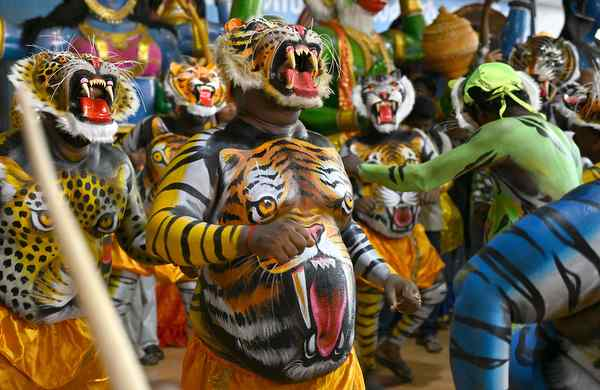
- The Athachamayam procession at Tripunithura (Ernakulam district, Kerala) marked the start of the 10-day Onam celebrations, featuring the traditional folk art Pulikali (tiger dance).
- Athachamayam: held at Tripunithura, it marks the beginning of Onam festivities (on the Atham day).
About Onam — Key Facts
- Harvest festival of Kerala, celebrated primarily by Malayalis; falls in the Malayalam month of Chingam (August–September).
- Marks the homecoming of the legendary King Mahabali (Maveli), an Asura king whose reign is remembered as an era of equality and prosperity.
- Linked to Vamana, the fifth (dwarf) avatar of Vishnu, who pushed Mahabali to the netherworld; Mahabali is believed to return annually to visit his people.
- Spans 10 days, from Atham (first day) to Thiruvonam (main/final day).
Other Major Kerala Art Forms
- Classical dances: Kathakali, Mohiniyattam (one of the 8 classical dances of India), Koodiyattam (UNESCO Intangible Cultural Heritage).
- Theyyam — ritualistic folk art of North Kerala.
- Kalaripayattu — one of the oldest martial art forms.
Source: The Hindu
🌊
Mahadayi River Diversion Dispute
News Context
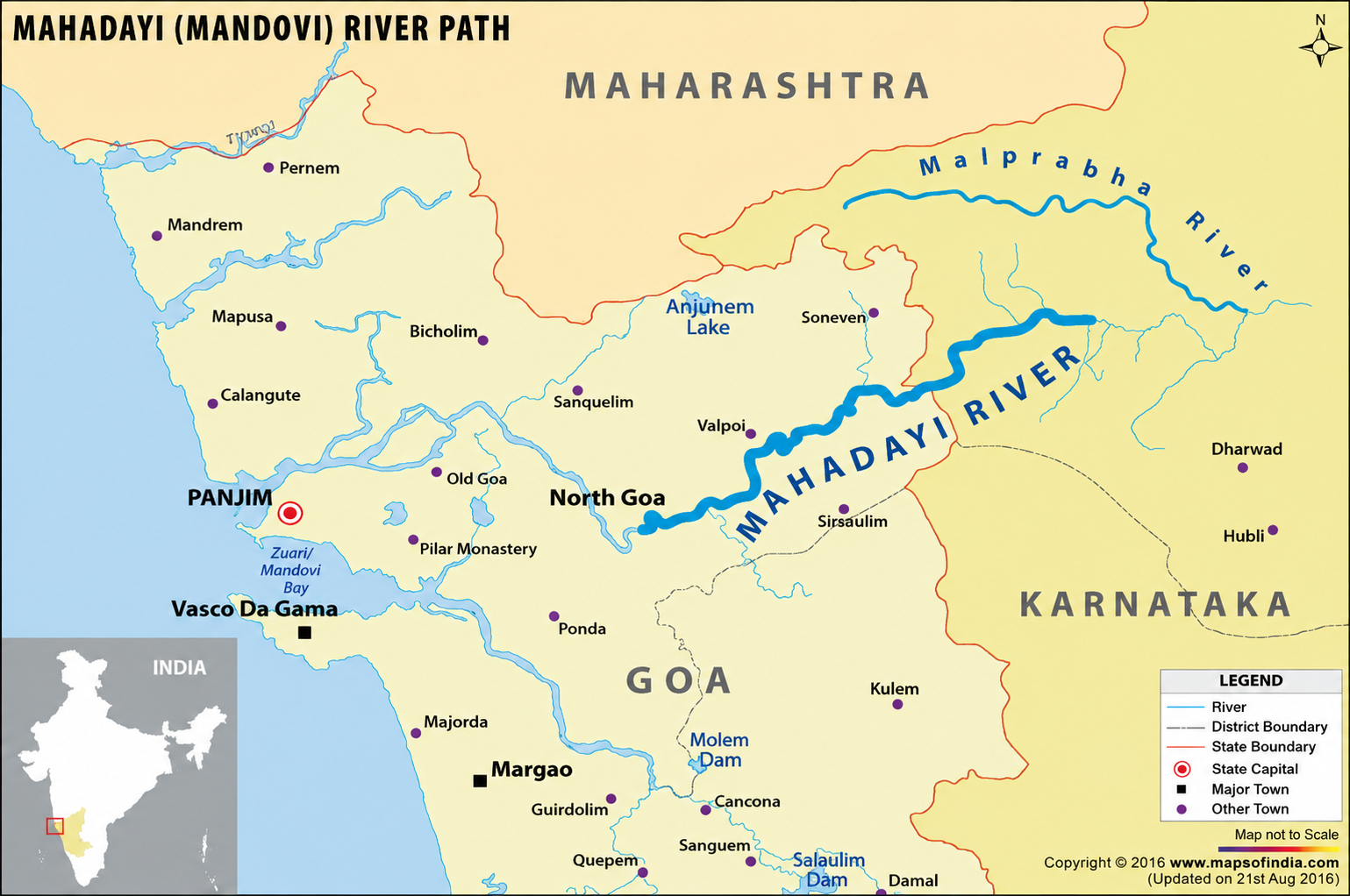
- The Centre informed the Lok Sabha that there is no proposal from Karnataka seeking Environmental Clearance (EC) for diversion of the Mahadayi river, in reply to a query by a Goa MP.
About Mahadayi (Mandovi) River
- Known as Mahadayi in Karnataka and Mandovi in Goa (often called the “lifeline of Goa”).
- Origin: Bhimgad Wildlife Sanctuary, Western Ghats, in the Belagavi (Belgaum) district of Karnataka.
- Flows through Karnataka, Maharashtra, and Goa, before draining into the Arabian Sea — a west-flowing, largely rain-fed river.
- Dudhsagar Falls (one of India’s tallest waterfalls) lies on this river.
Source: The Hindu
🌿
Hara Mangrove Forests & Qeshm Island Oil Spill
News Context
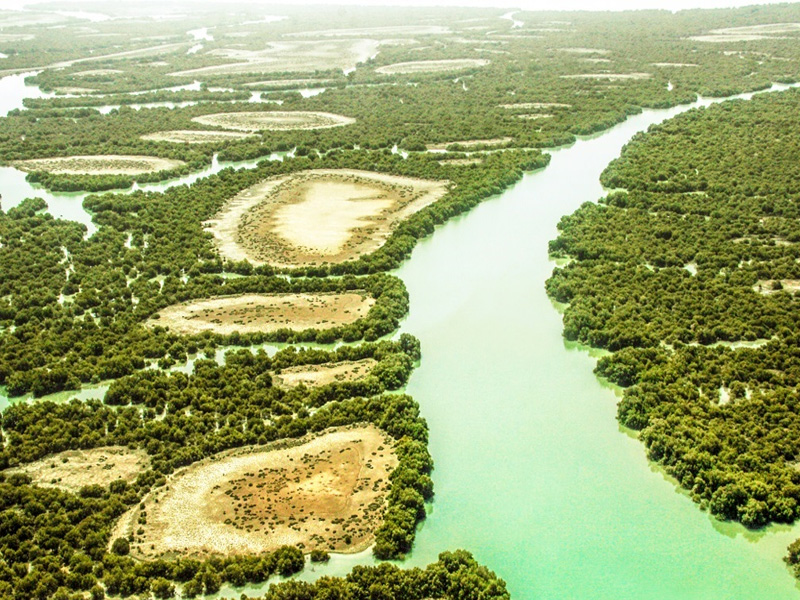
- Satellite images revealed a major oil spill off the southern coast of Qeshm Island (Iran), threatening the ecologically vital Hara mangrove forests in the Persian Gulf.
About Hara Forests
- Mangrove forests located along the Persian Gulf, spanning the Strait of Hormuz; consist mainly of grey mangrove trees (Avicennia marina).
- Designated as a UNESCO Biosphere Reserve; located around Qeshm Island, the largest island in the Persian Gulf.
Strait of Hormuz & Mangrove Concepts
- Strait of Hormuz connects the Persian Gulf to the Gulf of Oman and onward to the Arabian Sea — bordered by Iran (north) and Oman/UAE (south); one of the world’s most important oil chokepoints.
- Avicennia marina exhibits adaptations like pneumatophores (breathing roots), salt-secreting glands, and vivipary.
- Blue Carbon: carbon captured by ocean and coastal ecosystems (mangroves, seagrasses, salt marshes).
- India’s mangroves: Sundarbans (largest, West Bengal), Bhitarkanika (Odisha), Pichavaram (Tamil Nadu).
- MISHTI Scheme (Mangrove Initiative for Shoreline Habitats & Tangible Incomes) — India’s mangrove restoration programme.
Source: The Hindu
🏛️
Ashoka-era Stupa at Ujjain
News Context
- The Madhya Pradesh government, with the ASI, has begun conservation and restoration of an ancient Buddhist archaeological mound in Ujjain — linked to Ashoka — after nearly 90 years of neglect.
- Estimated size ~100 feet, making it larger than the famous Sanchi Stupa (~54.5 feet); provisionally dated to the Mauryan period.
About Stupas — Architectural Elements
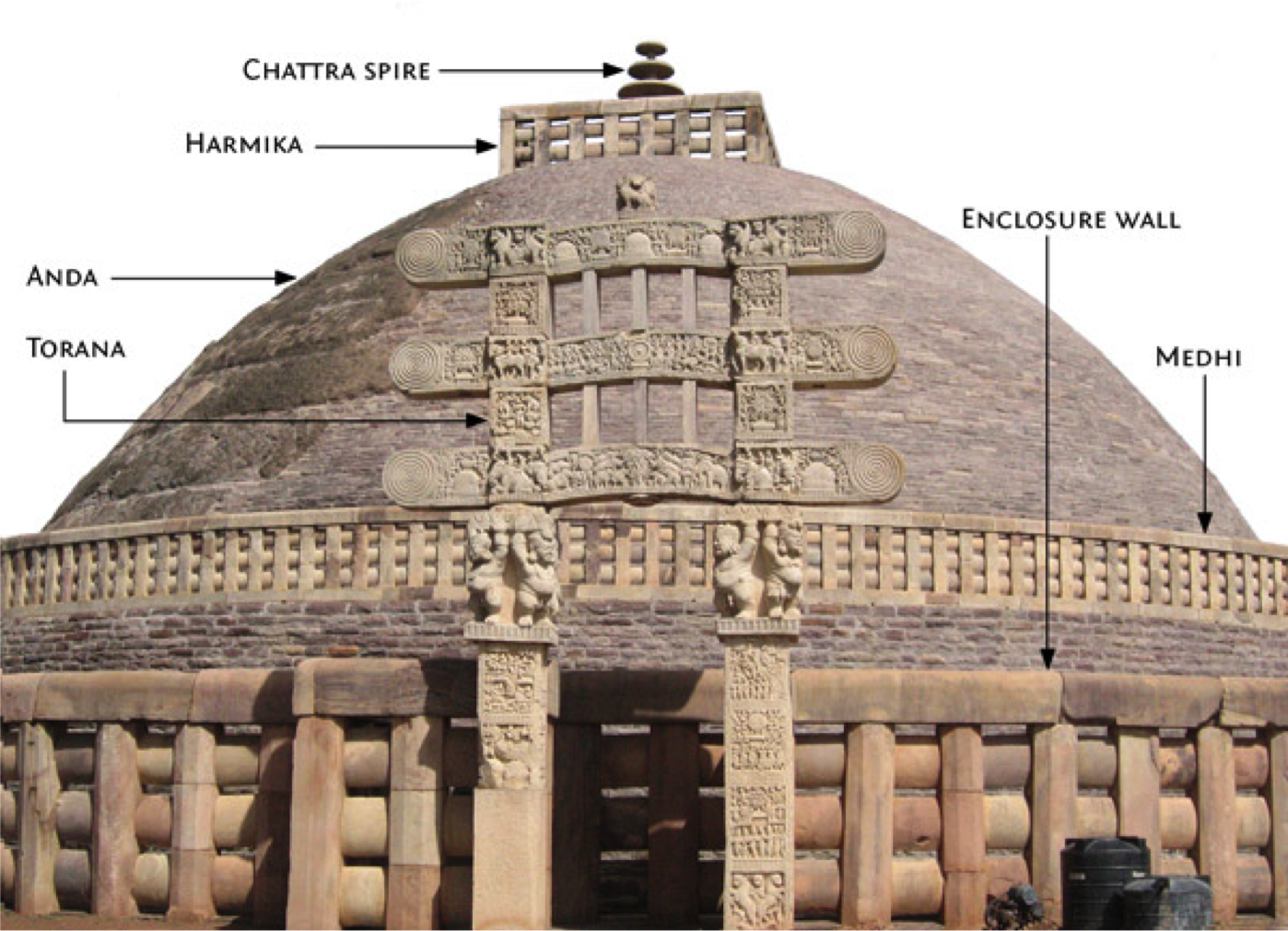
- Anda — hemispherical dome; Harmika — railing/balcony atop the dome; Yashti — central pillar; Chhatra — umbrella (symbol of honour); Medhi — raised platform; Toranas — ornamental gateways; Pradakshina Patha — circumambulatory path.
- Many stupas were originally commissioned/expanded by Ashoka (said to have built 84,000 stupas).
Major Stupas of India
- Sanchi Stupa (MP): built by Ashoka; UNESCO World Heritage Site; famous for its toranas.
- Bharhut Stupa (MP) — known for narrative reliefs.
- Amaravati Stupa (AP) — Satavahana-era, limestone carvings.
- Dhamek Stupa (Sarnath, UP) — marks the site of Buddha’s first sermon.
Source: Indian Express
💉
HPV Vaccination Drive in India
News Context
- India rolled out a nationwide HPV vaccination drive (launched February 28, 2026) targeting adolescent girls to protect against cervical cancer, with schools driving awareness and delivery.
About HPV & Cervical Cancer
- HPV: a common sexually transmitted virus; certain high-risk strains cause cervical cancer and other cancers.
- Vaccination is most effective when given to adolescent girls (typically 9–14 years) before exposure.
- WHO’s “90-70-90” targets, including vaccinating 90% of girls by age 15, aim to eliminate cervical cancer as a public health problem.
India’s Indigenous HPV Vaccine
- CERVAVAC: India’s first indigenously developed quadrivalent HPV vaccine, developed by the Serum Institute of India with DBT and BIRAC support.
- Protects against HPV types 16, 18, 6, and 11.
Source: Indian Express
🐯
Cauvery Wildlife Sanctuary
News Context
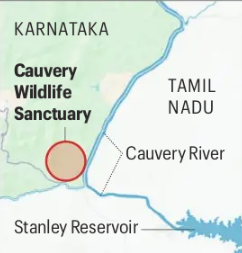
- Protests erupted in Chamarajanagar and Mysuru (Karnataka) after three men were killed in an alleged exchange of fire with forest officials inside the Cauvery Wildlife Sanctuary. An FIR for murder was registered under the BNS.
About Cauvery Wildlife Sanctuary
- Located in Karnataka, spread across Chamarajanagar, Mandya, and Bengaluru South districts, along the Cauvery river in the Eastern Ghats / Deccan Plateau region.
- Fauna: sambar, spotted deer, barking deer, elephants, tigers, and leopards. Notable for the Mahseer fish (a threatened freshwater game fish).
Other Wildlife Sanctuaries of Karnataka: Bhadra, Dandeli (Kali TR), Nagarhole, Bandipur (Tiger Reserves), Ranganathittu Bird Sanctuary, Bhimgad WLS (source of the Mahadayi river).
Source: Indian Express
