

UPSC Prelims
7 Topics
Prelims Pinpointer
Prelims Pinpointer — September 5, 2026
ISRO’s EOS-05 launch, a spot-billed pelican amid wetland pollution, rare turtles at risk in Haryana, UNCLOS and the Strait of Hormuz, the Belgium-Antwerp trade link, the Falklands dispute, and India’s new geothermal frontier.
🛰
ISRO Launches EOS-05 — India’s First Geosynchronous Imaging Satellite
Why in News
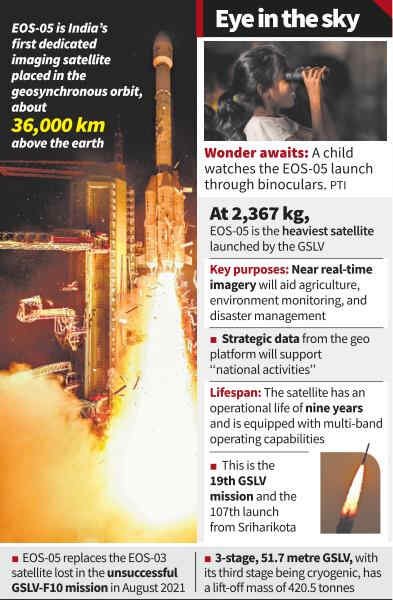
- On 4 September 2026, ISRO launched EOS-05 using GSLV-F17 from Sriharikota — India’s first dedicated imaging satellite in geosynchronous orbit (~36,000 km).
Key Facts
- Earlier known as GISAT-1A; 19th GSLV flight; launched from SDSC-SHAR, Sriharikota (107th launch from the spaceport). Weight: ~2,367 kg — heaviest ever carried by a GSLV. Mission life: 10 years.
- Placed in Sub-GTO; will climb to final geosynchronous orbit using onboard engines. Stays fixed relative to Earth — enabling constant, real-time, gap-free imagery (unlike LEO/SSO satellites with periodic revisits).
- Applications: agriculture, disaster management, environment, urban planning, defence/border monitoring (not just a “spy satellite” per ISRO).
GSLV vs PSLV
| Feature | PSLV | GSLV |
|---|---|---|
| Main orbit | LEO / Sun-Synchronous | Geosynchronous Transfer Orbit |
| Cryogenic engine | No | Yes (upper stage, CE-7.5) |
| Stages | Four | Three |
| Nickname | “Workhorse of ISRO” | Earlier “Naughty Boy” |
Exam trap: GSLV is a three-stage rocket, PSLV is four-stage — the numbers are often reversed in questions. Cryogenic engine burns Liquid Hydrogen + Liquid Oxygen, developed indigenously after the US blocked Russian tech transfer citing MTCR.
Source: The Hindu; Indian Express; PIB
🦩
Spot-billed Pelican and Wetland Pollution (Krishnampathy Lake)
Why in News
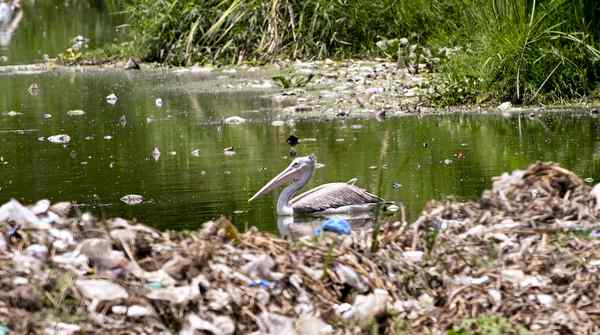
- A photo showed a spot-billed pelican swimming past plastic waste in Krishnampathy Lake, Coimbatore — highlighting plastic pollution and wetland degradation threatening India’s waterbirds.
About the Species
- Pelecanus philippensis; distinctive blue-grey bill spots; piscivorous, uses a gular pouch to scoop fish. IUCN: Near Threatened (upgraded from Vulnerable in 2007). Schedule IV, Wildlife (Protection) Act, 1972. NOT truly migratory — a resident species with local movements.
- Famous sites: Koonthankulam (Ramsar Site, 2021), Kokkarebellur (Karnataka), Uppalapadu (AP), Vellalore & Krishnampathy Lakes (Coimbatore).
Wetlands & Plastic Pollution
- Wetlands = “kidneys of the landscape.” Ramsar Convention (1971); World Wetlands Day: 2 February. Montreux Record flags threatened Ramsar sites (India’s Keoladeo, Loktak have featured).
- Single-Use Plastics ban effective 1 July 2022 under the Plastic Waste Management Rules, 2016 (amended).
Source: The Hindu
🐢
Rare Turtles at Risk in Haryana
Why in News
- A pond in Kajalheri village, within the Shri Guru Gorakhnath Community Reserve, is polluted by untreated sewage — its 150-200 rare turtles suffer infections/blindness, and many are killed by vehicles while migrating to cleaner water.
Three Turtle Species
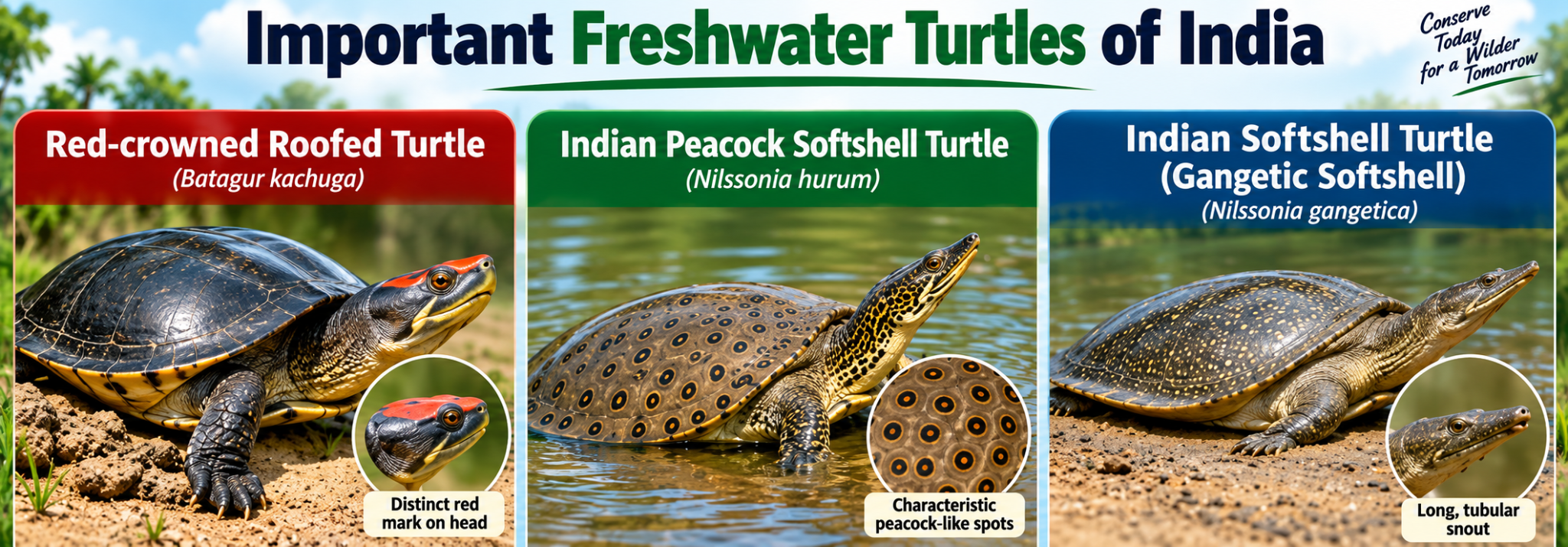
- Red-crowned Roofed Turtle (Batagur kachuga) — “Jewel of the Ganga”; Critically Endangered; CITES Appendix I (since CoP-19, Panama 2022); only viable habitat is the Chambal River.
- Indian Peacock Softshell Turtle (Nilssonia hurum) — Endangered; Ganga-Indus systems; nocturnal, omnivorous.
- Indian Softshell Turtle (Nilssonia gangetica) — Endangered; CITES Appendix I; Ganges-Indus-Mahanadi systems.
- All three: Schedule I of the Wildlife (Protection) Act, 1972 — same protection level as tigers and rhinos.
Community Reserve — Key Concept
- Introduced by the WPA Amendment Act, 2002 (Sections 36A-36D); Community Reserve = community/private land; Conservation Reserve = government land. First Community Reserve: Keshopur-Miani (Punjab).
- Boundaries of National Parks/Sanctuaries need a State Legislature resolution to alter — NOT required for Community/Conservation Reserves.
Source: The Hindu
🌊
UNCLOS — The “Constitution of the Oceans”
Why in News
- Tommy Koh, who led UNCLOS III negotiations, won the 2026 Ramon Magsaysay Award — highlighting that transit passage through the Strait of Hormuz is customary international law, binding even non-parties like Iran and the US.
Maritime Zones
| Zone | Limit |
|---|---|
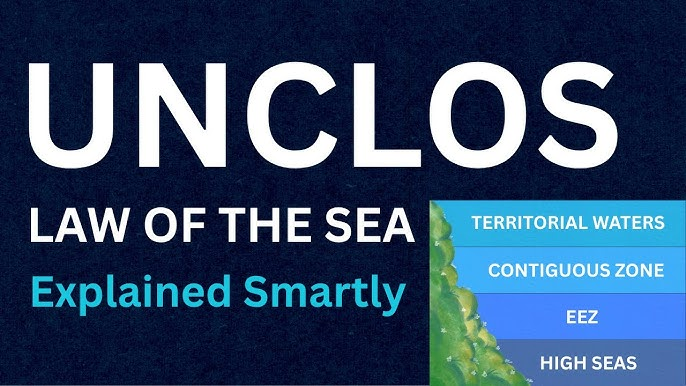
| Territorial Sea | Up to 12 nm — full sovereignty, but innocent passage allowed |
| Contiguous Zone | Up to 24 nm — CFIS laws only |
| EEZ | Up to 200 nm — sovereign rights over resources, not full sovereignty |
| High Seas | Beyond EEZ — open to all |
Innocent vs Transit Passage
- Innocent passage (territorial sea): submarines must surface and show flag; coastal state can suspend temporarily.
- Transit passage (international straits like Hormuz): cannot be suspended; submarines may pass submerged, aircraft may overfly — why Iran resists it.
Dispute bodies: ITLOS (Hamburg) and ICJ (The Hague). The Permanent Court of Arbitration ruled against China in the 2016 South China Sea case, which China rejected.
Source: The Hindu
💎
India-EU FTA & Belgium — Port of Antwerp-Bruges
Why in News
- Belgian PM Bart De Wever visited Mumbai to discuss the India-EU FTA, highlighting the Port of Antwerp-Bruges as a gateway for Indian exports, and cooperation on diamonds/lab-grown diamonds linking Antwerp, Mumbai and Surat.
Belgium — Geography
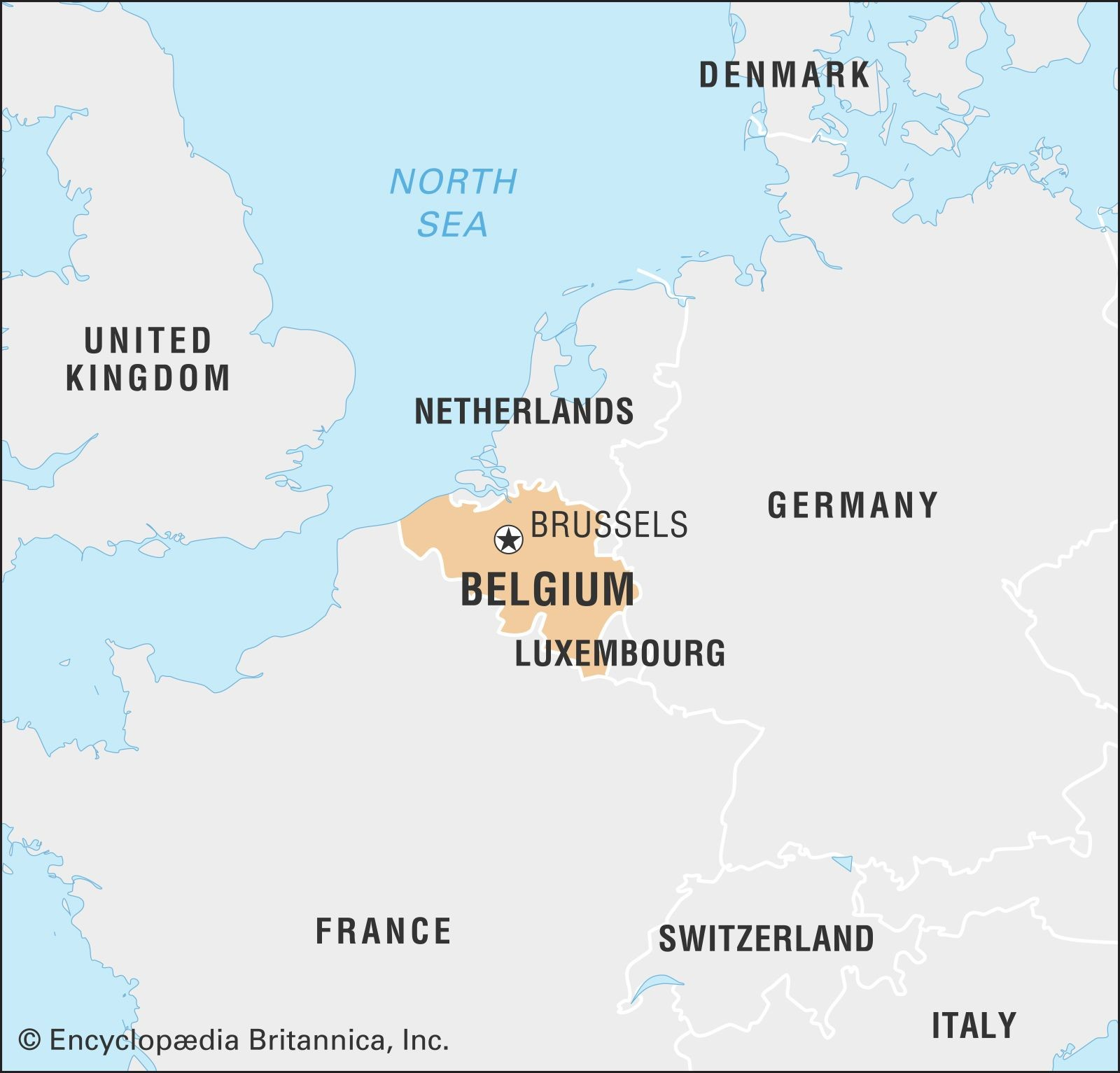
- Part of the Benelux (with Netherlands, Luxembourg); capital Brussels (HQ of EU and NATO). Borders Netherlands, Germany, Luxembourg, France; North Sea coastline. Major rivers: Scheldt, Meuse.
Port of Antwerp-Bruges
- Second-largest seaport in Europe (after Rotterdam); formed by merging Antwerp and Zeebrugge ports; an inland river port reached via the Scheldt estuary through Dutch waters.
- Antwerp = “Diamond Capital of the World” since the 16th century; India’s diamond link is Surat (cutting) and Mumbai (trade).
Source: The Hindu
🏝
Falkland Islands (Islas Malvinas) — UK-Argentina Dispute
Why in News
- Argentine President Javier Milei renewed Argentina’s Falklands claim amid tensions over a British-Israeli oil project nearby; the UK reaffirmed its “absolute and unshakeable” commitment, citing the islanders’ 2013 vote to remain British.
Geography & Dispute
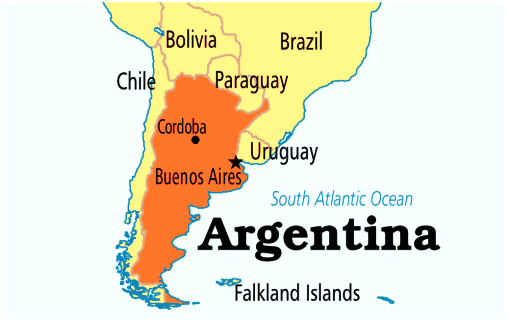
- Archipelago ~480 km east of Argentina’s coast, on the Patagonian Shelf; two main islands (East Falkland, West Falkland) separated by Falkland Sound; ~778 islands total; capital Stanley.
- UK’s claim: continuous administration since 1833 + self-determination (2013 referendum). Argentina’s claim: inherited Spanish title + geographic proximity.
Source: The Hindu
🌋
Geothermal Energy — India’s New Clean Energy Frontier (Puga Valley, Ladakh)
Why in News
- In July 2026, ONGC Energy Centre commissioned India’s first two geothermal wells at Puga Valley, Ladakh, paving the way for a 1-MW demonstration geothermal power project supporting Net Zero by 2070.
Key Facts
- Geothermal energy is clean, low-carbon, and — unlike solar/wind — available 24×7 as baseload power. Heat comes from radioactive decay and residual heat from Earth’s formation.
- Nodal Ministry: MNRE. GSI has mapped 381 hot springs across 10 Geothermal Provinces; India’s theoretical potential: ~10,600 MW.
- National Policy on Geothermal Energy, 2025 — promotes exploration, GSHPs, and repurposing abandoned oil/gas wells.
Puga and Chumathang lie in the Himalayan Geothermal Belt, formed by the Indian-Eurasian plate collision — part of the “Carbon-Neutral Ladakh” vision.
Source: PIB
