Why in News: As global energy demand surges and climate change intensifies, the need for clean, efficient, and sustainable energy technologies has become more urgent.
Why Existing Green Technologies Are Not Enough
1. Limitations of Silicon Photovoltaics (PV):
- Low Efficiency: Silicon PV panels offer ~15–18% field efficiency, requiring large land areas for meaningful energy output.
- Land Constraints: Urbanisation and environmental protection limit land availability for solar installations.
- Dependence on Imports: ~80% of global solar panel supply is from China; India currently has ~6 GW production capacity.
- Slower Energy Yield: As energy demand increases, low-efficiency PV technologies struggle to keep pace.
2. Challenges with Green Hydrogen:
- Energy Intensive Production: Electrolysis requires more energy than the energy value of hydrogen itself.
- Difficult Storage & Transport: Hydrogen’s low density makes it prone to leakage and expensive to handle.
- Conversion Losses: Transforming hydrogen into ammonia or methanol for transport adds further energy costs.
3. Green Hydrogen’s Questionable ‘Greenness’:
- The upstream inefficiencies in solar power generation and downstream losses in hydrogen conversion raise questions about the true sustainability of green hydrogen.
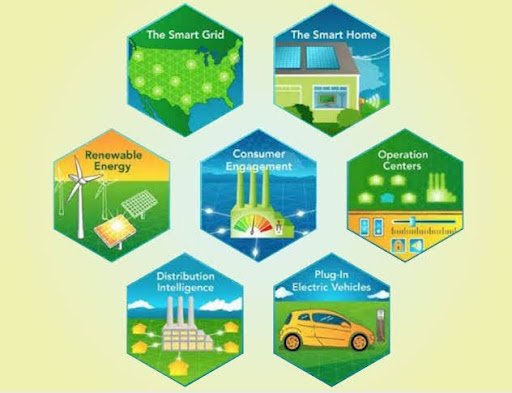
Emerging Alternatives and Innovations
1. Next-Gen Solar Technologies:
- Higher Efficiency Options: Technologies like gallium arsenide thin-film cells have reached efficiencies of ~47% in labs.
- Reduced Land Use: Doubling efficiency halves land requirement—critical in land-scarce economies.
2. Artificial Photosynthesis (APS):
- Inspired by Nature: Uses sunlight, water, and CO₂ to produce fuels like green methanol or ammonia.
- Currently Lab-Scale: Promising early results, with potential for scalable, carbon-neutral fuel production.
3. RFNBO (Renewable Fuels of Non-Biological Origin):
- Being explored in Europe; fuels made without biomass using only renewable inputs.
- India should consider investing in such futuristic clean energy paths.
Significance of Green Technologies for India
1. Economic Benefits
- Opens up new markets and drives job creation, especially in sectors like the circular economy.
- Encourages innovation and development of sustainable products and services.
2. Environmental Impact
- Helps reduce carbon emissions and environmental degradation.
- Aids in pollution tracking and better resource management.
3. Social Advantages
- Enhances quality of life by ensuring cleaner air and water.
- Reduces environmental health risks and mitigates climate-related hardships.
4. Energy Security
- Reduces dependence on fossil fuel imports (~85% of India’s energy is imported).
- Promotes development of indigenous renewable energy technologies.
5. Geopolitical Resilience
- Shields India from disruptions in global energy supply chains due to geopolitical tensions.
6. Climate Commitments
- Supports India’s obligations under the Paris Agreement by enabling emission reduction alongside energy access.
Challenges in Adoption of Green Technologies
1. High Initial Costs
– Green tech like solar PVs is costlier upfront than conventional options.
– Ex: 50% of solar project cost leads to foreign exchange outflow in India.
2. Limited Capital Access
– Entrepreneurs face difficulty securing funding; banks see green projects as risky.
3. Technological Gaps
– Issues like intermittent energy supply and limited battery storage hinder adoption.
4. Weak Infrastructure
– Lack of EV charging stations and grid connectivity reduces scalability.
5. Regulatory Hurdles
– Unclear and inconsistent policies deter investments and innovation.
6. Low Public Awareness
– Limited understanding among public and policymakers affects acceptance.
Way Forward
1. Financial Support – Provide subsidies, tax benefits, and low-interest loans to reduce upfront costs.
2. Regulatory Reforms – Set clear green targets, emission norms, and efficiency standards.
3. Promote R&D – Invest in innovation to enhance performance and lower costs.
4. Capacity Building – Offer training, technical support, and awareness programs.
5. Green Procurement – Encourage government purchases of eco-friendly products to boost demand.
UPSC Relevance:
GS Paper III
- Developments in science and technology and their applications
- Environmental conservation and sustainable development
- Infrastructure and energy-related issues (renewable energy, energy security)
Mains Practice Question
Q. Discuss the strategic importance of green technologies for India in achieving energy security and climate commitments. What are the major challenges in their adoption, and how can they be addressed?