


PRELIMS
Darwin’s Frog
Why in News: Chile has launched a new conservation campaign to protect the endangered Darwin’s frog
Species:
- Darwin’s frog (Family: Rhinodermatidae) includes
- Rhinoderma darwinii (Southern Darwin’s frog) – Endangered
- Rhinoderma rufum (Northern Darwin’s frog) – Critically endangered, nearly extinct

Distinctive Features:
Size: About 3 cm
Unique reproduction: Males carry tadpoles in mouth pouches until developed (brooding)
Defence: Plays dead when threatened
Discovered by Charles Darwin in 1834 (Chiloe Islands, Chile)
Habitat:
- Humid forests and forest streams in southern Chile and Argentina
- Prefers mixed grassland, moss, woody debris within mature native forests
Threats:
- Climate change (temperature, rainfall shifts)
- Forest fires and urbanisation causing habitat loss
- Invasive species disrupting ecosystem balance
Conservation Efforts in Chile:
- Government-led habitat protection and population monitoring
- Collaboration with private landowners to protect breeding sites
- Public awareness and habitat expansion initiatives
Significance:
- A ‘living fossil’ reflecting unique evolutionary history
- Indicator of native forest ecosystem health
- Conservation aids biodiversity preservation and ecological balance
Arya Samaj Marriages
Why in News: Courts in states like Uttar Pradesh and Madhya Pradesh have recently ordered investigations into Arya Samaj organisations allegedly conducting illegal marriages and conversions without adhering to procedural laws, especially in light of stringent anti-conversion statutes.
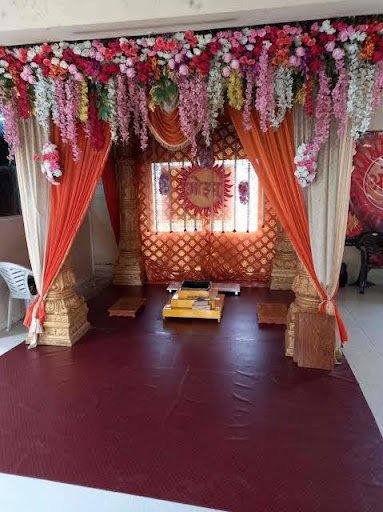
What is Arya Samaj?
- Hindu reform movement founded by Swami Dayanand Saraswati in 1875.
- Promoted Vedic monotheism, social reform, and inter-caste/interfaith marriages.
- Popular in northern India, especially Punjab.
Arya Marriage Validation Act, 1937
- Legally recognises marriages conducted under Arya Samaj rituals.
- Allows marriage irrespective of caste or prior religion.
- Marriages remain valid even if one or both partners converted to Arya Samaj Hinduism.
Hindu Marriage Act, 1955
- Recognises Arya Samaj marriages for Hindus, Buddhists, Jains, and Sikhs.
- Converts from other religions must adopt Hinduism before such marriage.
Special Marriage Act (SMA), 1954
- Provides a secular framework for interfaith/caste marriages without conversion.
- Requires 30-day public notice before marriage.
- Subject to family/community backlash and objections.
Why Are Arya Samaj Marriages Popular?
- Quick process (completed in a few hours).
- Minimal paperwork.
- Favoured by eloping/interfaith couples seeking protection from family backlash.
Challenges Under Legal Scrutiny:
- Illegal weddings: Conducted without verifying age/eligibility or using forged documents.
- Fake Arya Samaj units: Running mass or underage marriages without regulation.
- Violation of anti-conversion laws: “Shuddhi” conversions before marriage often bypass legal protocols. Eg: UP Anti-Conversion Law (2021) requires 60-day prior and post-conversion declarations.
- Courts (like Allahabad HC, MP HC) have intervened in cases of alleged illegal conversions and underage marriages.
UNCTAD Global Trade Update: Mobilising Trade to Curb Plastic Pollution (2024)
Why in News: UNCTAD released a global trade update amid UN Plastic Treaty negotiations in Geneva.
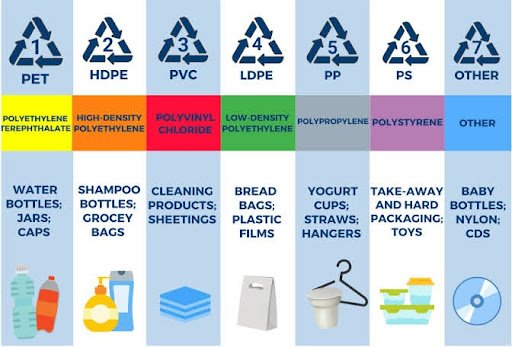
Key Highlights
Plastic Production Surge:
- Grew from 2 MMT (1950) to 436 MMT (2022).
- 75% becomes waste, only 10% recycled.
- 78% of plastic produced was traded globally in 2022.
Lack of Binding Treaty:
- No global treaty for plastics like Paris Agreement (climate) or CBD (biodiversity).
Low Adoption of Eco-Alternatives:
- Bio-based & compostable plastics = only 1.5% of global production.
Trade Policy Gaps:
- Tariffs on plastic products reduced to 7.2%.
- Tariffs on eco-alternatives (bamboo, paper) still ~14.4%.
Way Forward
- Ban/tax Single Use Plastics (SUP).
- Promote long-use plastics in sectors like road construction via R&D.
- Strengthen Plastic Data Systems for lifecycle transparency.
- Align with BRS Conventions: Basel, Rotterdam, Stockholm.
India’s Measures: PWM Rules 2016 + Key Amendments:
2021: Ban on SUPs (from July 2022).
2022: Extended Producer Responsibility for packaging.
2024: Defined roles for ULBs & Panchayats in waste management.
Global Frameworks
- Annex V – MARPOL Convention: Prohibits plastic discharge at sea.
- Bridgetown Covenant (UNCTAD XV): Focus on circular economy and sustainability.
Landraces
Why in News: Odisha has launched a new roadmap to formally integrate landraces into the formal seed supply system.
About Landraces
Definition:
- Traditional, genetically diverse crop varieties developed over generations through farmer selection and natural adaptation.
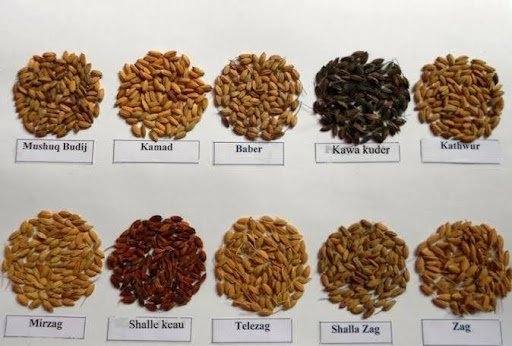
Key Features:
- Climate-resilient
- Stable yields
- Pest and disease tolerance
- Often nutrient-rich
- Adapted to local agro-climatic conditions
Major Threat: Genetic erosion due to:
- Modern agricultural practices
- Monocropping
- Pesticide use
- Land use change
Portuguese-Era Arsenal Discovery
Why in News:Cannonballs discovered during excavation near Basilica of Bom Jesus, Old Goa halted construction for archaeological documentation.
Key Findings by ASI (Archaeological Survey of India):
- Site included a gun foundry, naval dockyard, elephant stable, and coin mint.
- Presence of stone and metal cannonballs of various sizes and pottery/porcelain from diverse ceramic traditions.
- Site identified as the Portuguese-era arsenal, historically known and mentioned in European travelogues.

Historical Context:
- Portuguese conquest of Goa (1510) led by Afonso de Albuquerque.
- Arsenal may have pre-dated Portuguese rule, likely during Adil Shahi period.
- Albuquerque found 40 large ships, 26 brigs, and other war materials in the dockyard.
- Minting of coins (gold, silver, copper) started post conquest to revive economy.
Historical References:
- Francois Pyrard de Laval (1608): Described arsenal as fortified with fire-resistant stone rooms.
- Frederick Charles Danvers‘ Book – The Portuguese in India: Details the wealth of artillery and war equipment found in Goa post-conquest.
Later Developments:
- Major fire in 1753, renovations in 1773.
- Arsenal closed down in 1856 due to decline in Portuguese influence.
- Fire in Lisbon in 18th century destroyed many original records and blueprints.
Strategic Significance:
- Arsenal was heavily guarded, located within the walled city of Old Goa.
- Portuguese used stone cannonballs for greater damage on impact.
- Cannons were small-sized, suited for naval or land use, with shorter range.
