

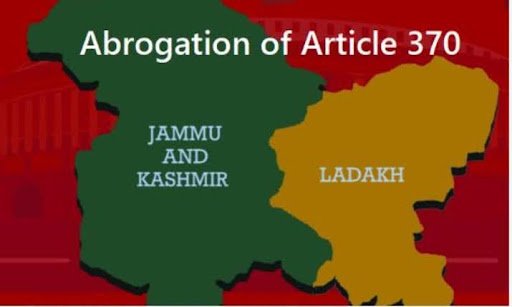
Why in News: Article 370 was abrogated in August 2019. It was projected as a transformative move to bring development and prosperity to Jammu & Kashmir. Six years on, we need to examine whether this promised economic transformation has materialised.
1. Economic Performance Post-2019
Macroeconomic Slowdown
- Nominal GSDP growth: Slowed from 10.2% (pre-2019) to 8% (post-2019).
- Real GSDP growth: Declined from 6.91% to 3.97%, much below national average (8.24%).
Sectoral Weakness
- Tertiary sector (60% of economy) hit hardest:
- Growth fell from 11% (2022–23) to 5.8% (2023–24).
- Hotel & restaurant incomes dropped from 38% to 13%.
Per capita income growth halved:
- From 6% to less than 3%.
2. Employment and Labour Trends
Unemployment Rate:
- Remained at 17% in 2024.
- Youth (15–29 age group) unemployment above 30%, nearly double national average.
- Number of factories remains stagnant at 2016–17 levels.
3. Investment and Capital Formation
- Fixed capital dropped from ₹10,039 Cr (2016–17) to ₹5,553 Cr (2022–23).
- Industrial units registered: 266 (Jammu: 118; Kashmir: 148).
- Indicates investment stagnation and capital intensity decline.
4. Fiscal Health and Debt
- Internal debt: Almost doubled (₹42,221 Cr → ₹82,299 Cr).
- Outstanding liabilities: Crossed 60% of GSDP (vs national average ~30%).
- Despite more revenue mobilisation, deficits and debt have increased.
- Own tax to GSDP ratio improved: From 6.32% → 8.44% (post-GST). However, expenditure continues to rise → risk of fiscal crisis.
5. Credit and Banking Metrics
- Credit-deposit ratio: At 51, far below national average (80).
- Bank deposits growing slowly (~1%).
- Reflects lack of resource mobilisation, low credit demand, and poor investment climate.
6. Inflation and Livelihood
- Wages of agricultural and construction workers among highest in India, after Kerala.
- Yet, this indicates inflationary pressure and scarcity of labour, not prosperity.
7. Structural Challenges
- J&K remains a high-cost, import-dependent, employment-light economy.
- Public expenditure-driven model continues.
- Economy remains gender-unfriendly, with low female labour force participation.
Transformation as promised post-Article 370 has not materialised.
Way Forward for J&K’s Economy
1. Accelerate Investment Execution
- Convert MoUs into actual projects; only ₹2,500 Cr realised out of ₹84,000+ Cr pledged.
- Use JKIDFC to fast-track infrastructure development.
2. Promote Sustainable Tourism
- Build on record 2.11 Cr tourist visits (2023).
- Improve safety, connectivity, and eco-tourism.
3. Restore Statehood & Empower Local Bodies
- Expedite restoration of statehood.
- Strengthen Panchayats and DDCs for grassroots governance.
4. Revive Capital Formation
- Boost private investment and PPPs.
- Improve credit-deposit ratio (~51%) to support local businesses.
5. Fix Fiscal Imbalance
- Control rising debt (~60% of GSDP).
- Increase capital expenditure and local revenue.
6. Diversify Economy
- Promote agriculture, horticulture, sericulture, and handicrafts.
- Build local value chains and employment.
7. Link Security with Development
- Sustain improved law & order.
- Secure tourist and border areas for confidence building.
UPSC Relevance:
GS Paper II – Governance / Polity
- Cooperative federalism and Centre-State relations (e.g. Article 370 abrogation, statehood demands)
GS Paper III – Economy / Development
- Investment climate in special-status/fragile states
Mains Practice Question:
Q. Despite a substantial improvement in security and investment intent post-2019, Jammu and Kashmir’s economic growth continues to face structural and governance bottlenecks. Analyse. Suggest a way forward for inclusive and sustainable development in the region.
