

Why in News: UK, France, and other Western nations plan to recognise Palestine amid Israel’s Gaza conflict and allegations of genocide, while Netanyahu pushes a “no-state solution” for Palestinians.
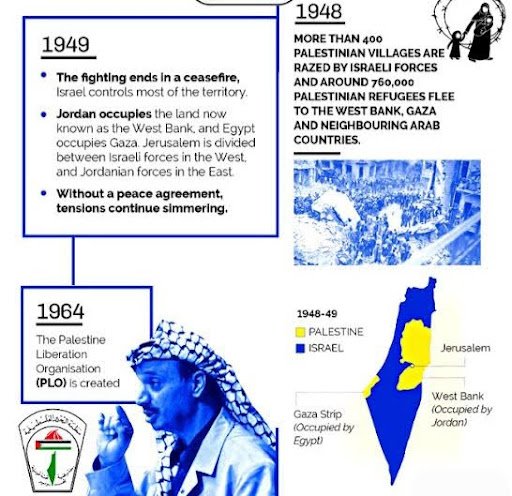
Historical Context
Balfour Declaration (1917): British support for a Jewish national home in Palestine.
Past Recognition: India and several Global South countries recognised Palestinian sovereignty in the late 1980s; Western powers previously insisted on recognition only as part of a final settlement.
Recognition of Palestine: Western powers, including the UK and France, now moving to recognise Palestinian statehood in 2025 amid ongoing Gaza conflict.
Reasons for Shift in Western Policy
1. Allegations of Genocide and War Crimes
Genocide Charges Against Israel:
- International human rights organisations, including B’Tselem and Physicians for Human Rights Israel, have accused the IDF of committing genocide.
- The International Criminal Court has issued an arrest warrant for Prime Minister Netanyahu.
Humanitarian Impact:
- Over 2.6% of Gaza’s pre-war population killed, 6.5% wounded, and nearly all displaced.
- Over 18,000 children among the dead; mass starvation due to blockades.
Western Response:
- These unprecedented humanitarian violations have made continued unconditional support for Israel difficult.
2. International Public Opinion Turning Against Israel
Europe:
- Public protests across Western Europe against Israel’s Gaza operations.
- Surveys show only 13–21% favorable views of Israel; support for the Gaza war drops to 6% in some countries.
United States:
- Growing dissent even in Israel’s key ally.
- Only 27% of Americans support Netanyahu; 84% demand immediate ceasefire.
- Nearly half of American voters now perceive Israeli actions as genocide.
Effect on Policy:
- Governments are increasingly pressured by public opinion to recognise Palestinian sovereignty and push for a ceasefire.
3. Structural and Ideological Constraints in Israel
Neo-Zionist Expansionist Ideology:
- Netanyahu’s regime, along with far-right allies (Bezalel Smotrich, Itamar Ben Gvir), prioritises territorial expansion and settlement ideology over humanitarian considerations.
Political Calculations:
- Ceasefire or withdrawal could threaten Netanyahu’s political survival.
- Far-right bloc demands maximalist objectives, including control of Gaza and expulsion of Palestinians.
Western Perception:
- Israel is seen as unyielding, prolonging conflict, and undermining prospects for peace.
4. Shift from Two-State to Recognition of Palestinian Sovereignty
Historical Context:
- Western recognition of Palestine has been conditional on a final settlement under a two-state framework.
- Oslo Accords (1993-1995) promised two states, but implementation has stalled.
Recent Western Moves:
- UK, France, and other nations now signal recognition of Palestinian statehood regardless of Israeli consent.
- Reflects growing impatience with Israel’s intransigence and ongoing humanitarian crisis.
5. Moral and Strategic Calculations
Humanitarian Imperative:
- Recognition is driven by global awareness of Palestinian suffering and systemic violence in Gaza.
Strategic Realignment:
- Western nations seek to maintain credibility on human rights.
- Balances geopolitical ties with Israel while addressing domestic and global opinion.
Netanyahu’s Strategy and Politics
- No Ceasefire: Prolongs war to avoid political collapse and personal legal risks.
- Far-Right Allies: Dependent on Smotrich & Ben-Gvir, who want to destroy Gaza and expel Palestinians.
- No-State Vision: No Palestinian sovereignty or rights; aim to reoccupy Gaza for Jewish settlers.
- Tactical Escalation: Security cabinet plans to take Gaza City; sees war as opportunity for annexation.
Broader Consequences
- Peace Process Breakdown: Rejects two-state solution and Palestinian Authority rule in Gaza.
- Shift in Global Consensus: Western recognition of Palestine marks diplomatic turning point.
- Historic Memory Clash: Holocaust remembrance used to deflect criticism; Gaza war creating global awareness of Palestinian Nakba.
Conclusion:
Netanyahu’s approach locks in perpetual conflict, risks Israel’s global standing, and leaves Palestinians without sovereignty or rights.Growing recognition of Palestine in the West signals emerging isolation for Israel’s current leadership.
UPSC Relevance
- International Relations & Foreign Policy (GS Paper II)
Mains Practice Question
Q: In light of recent developments in Gaza, critically analyse the shift in Western policy towards recognising Palestinian sovereignty. Discuss the factors driving this change and its implications for Israel, Palestine, and the broader Middle East region. (250 words)
Prelims Quick Facts: Mapping Exercise

