

Why in News: Drones are reshaping warfare and regional influence in Asia. India is modernizing its UAVs to fill strategic gaps, counter rivals, and strengthen Indo-Pacific security.
Introduction
- Modern conflicts are increasingly shaped by unmanned aerial vehicles (UAVs) and unmanned combat aerial vehicles (UCAVs).
- The second Nagorno-Karabakh war (2020) marked a watershed moment in modern warfare, with drones (UAVs/UCAVs) moving from support roles to the front lines.
- India and Pakistan’s Operation Sindoor (May 7–10, 2025) confirmed this shift
- Drones are now central to military modernization, strategic deterrence, and regional influence.
India’s Drone Modernization Efforts
Recent Acquisitions & Partnerships
- In 2024, India ordered 31 MQ-9B Reapers (SkyGuardian & SeaGuardian) from the U.S.
- Capabilities: High-altitude, long-endurance surveillance; improved maritime awareness; enhanced strike capabilities.
- Israel remains a key supplier, with Heron surveillance drones and Harop loitering munitions already in Indian service. These legacy imports, while effective, are being complemented by new domestic projects.
Indigenous Innovation: India has accelerated domestic development
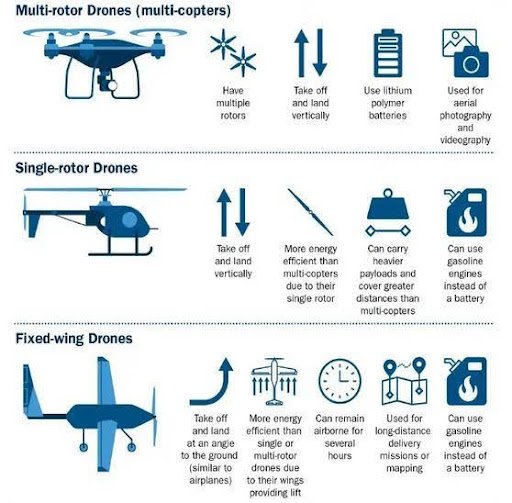
- Rudrastra Hybrid VTOL UAV (170km range; designed for tough terrain).
- MBC2 AI-powered swarm drones for infantry support.
- HAL CATS, a next-gen manned-unmanned teaming combat system.
- Archer-NG and Ghatak (stealth UCAVs in development).
- Counter-drone technologies like the DRDO Anti-Drone System, Bhargavastra anti-swarm rockets, and the AI-powered Indrajaal defense grid provide layered protection against hostile UAV incursions and swarm attacks.
Capability Gaps
- India’s arsenal covers some needs but lacks advanced high-altitude, long-distance strike drones and versatile systems for varying terrains.
- Imports now typically target components and payloads; joint production and local manufacturing are rising priorities.
Regional Drone Landscape :
- Global Leaders: U.S., China, Türkiye, Israel. U.S. faces supply issues; Israel focused on West Asia.
- China & Türkiye: Major Indo-Pacific influence; Türkiye’s drones are cost-effective, but India-Türkiye ties limit cooperation.
- Market Dynamics: U.S. holds 8% of global exports (2023) due to MTCR limits; China & Türkiye dominate.
- Indo-Pacific Needs: Countries like Vietnam, Taiwan, Japan require drones for maritime and border surveillance amid China tensions.
Strategic Opportunities for India
1. Military Modernization: Upgrade UAVs/UCAVs for high-altitude surveillance and precision strikes along China and Pakistan borders.
2. Domestic Production: Boost indigenous UAV development; reduce reliance on foreign suppliers; use lessons from Israel and Europe.
3. Regional Leadership: Supply drones to Indo-Pacific neighbors for maritime and border monitoring; fill U.S. market vacuum.
4. Strategic Autonomy: Avoid dependence on adversarial nations (China, Türkiye) for critical technologies.
5. Counter Regional Threats: Support nations against China’s “gray-zone” tactics; enhance India’s surveillance and deterrence.
6. Drone Diplomacy: Strengthen partnerships through UAV exports and technology-sharing.
7. Defense Industry Growth: Expand domestic manufacturing; generate export revenue.
Strategic Challenges for India –
- Capability Gaps: Limited high-altitude, long-range, and cost-effective strike UAVs; reliance on older/legacy systems.
- Dependence on Foreign Suppliers: Reliance on U.S., Israel, Europe; restricted access to China/Türkiye tech.
- Technological Competition: Rapid UAV advancements by China and Türkiye; U.S. drones lag in export potential.
- Geopolitical Constraints: Türkiye’s drone diplomacy in Indo-Pacific; balancing regional influence vs strategic autonomy.
- Domestic Industry Limitations: Bureaucratic red tape; slow indigenous production; limited tech-sharing leverage.
- Operational Integration: Coordinating diverse UAVs across varied terrains and borders; ensuring military interoperability.
Conclusion
Drone warfare is redefining power dynamics in Asia. India, by modernizing its arsenal and harnessing indigenous and collaborative innovations, stands poised to become a pivotal supplier and influencer in the Indo-Pacific.
UPSC Relevance
GS Paper 3 (Technology, Security & Economy):
- Modernisation of India’s armed forces (drone acquisition, UAVs, UCAVs)
Mains Practice Question
Q. Recent conflicts have highlighted the increasing role of drones in modern warfare. Discuss the implications of UAV adoption for India’s defence strategy and regional influence, citing challenges and opportunities.”
