
Overall Urban Allocation Trend
- Total central urban development outlay reduced from ₹96,777 crore to ₹85,522 crore.
- Nominal reduction equals ₹11,255 crore, reflecting an 11.6% contraction.
- Real reduction is sharper when inflation-adjusted fiscal impact is considered.
- Urban sector faces mounting pressures from migration, climate stress, infrastructure fatigue, and employment challenges.
Policy Orientation and Fiscal Priorities
- Budget rhetoric highlights capital investment, growth momentum, and Viksit Bharat vision.
- Urban development treated as residual adjustment category after macro-level fiscal priorities.
- Cities no longer positioned as growth-critical investment spaces within capital expenditure framework.
Metro Rail Dominance in Urban Spending
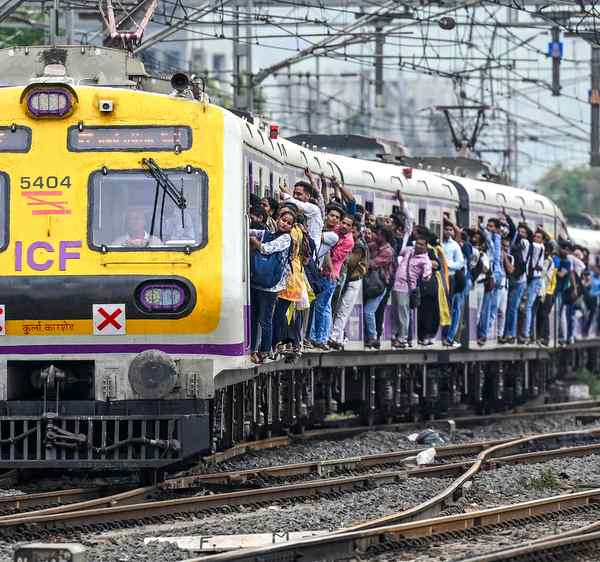
- Allocation for metro and mass rapid transit reduced from ₹31,239.28 crore to ₹28,740 crore.
- Cut equals ₹2,499.28 crore, approximately an 8% reduction.
- Metro projects absorb ₹28,740 crore, about 33.6% of total urban allocation.
- Budget remains metro-centric, prioritising capital-intensive and spatially limited transport systems.
- Bus systems, non-motorised transport, suburban rail, and last-mile connectivity receive proportionally lower attention.
Retreat of Flagship Urban Schemes
- PMAY-Urban allocation reduced from ₹19,794 crore to ₹18,625 crore.
- Housing cut equals ₹1,169 crore, nearly a 5.9% decline.
- Urban housing shortage and expanding informal settlements remain unaddressed adequately.
- Swachh Bharat Mission-Urban halved from ₹5,000 crore to ₹2,500 crore.
- Sanitation funding reduction equals 50% rollback, affecting waste management and public health systems.
- AMRUT allocation reduced from ₹10,000 crore to ₹8,000 crore.
- Water supply and sewerage investments weakened amid groundwater depletion and climate variability.
Institutional and Fiscal Implications
- Centrally sponsored urban schemes show across-the-board allocation reductions.
- No new mechanisms for fiscal devolution or strengthened municipal financing frameworks.
- Urban Local Bodies remain dependent on tied transfers and limited long-term planning capacity.
Developmental and Strategic Concerns
- Cities generate bulk of GDP, employment absorption, and innovation ecosystems.
- Budget reflects select capital-heavy priorities over inclusive, service-oriented urban systems.
- Reduced sanitation, water, and housing funding undermines liveability, equity, and resilience goals.
- Fiscal design treats cities as cost centres rather than engines of national growth and transformation.