
Why in News: The ASI’s colonial-era conservation methods of mere repair and isolation are proving inadequate as many monuments face neglect. This has sparked calls for a new, holistic conservation manual that integrates communities, experts, and citizen participation.
Introduction
- Prime Minister Narendra Modi has frequently urged citizens to preserve the memory of India’s freedom struggle.
- However, current approaches to heritage conservation, particularly by the Archaeological Survey of India (ASI), remain outdated and limited.
- With over 3,600 protected monuments, India requires a holistic, citizen-inclusive conservation strategy that goes beyond repairs and polishing to integrate communities, disciplines, and contemporary perspectives.
Historical Legacy of Conservation Practices
- Colonial Foundations: British officers catalogued monuments, enacted preservation laws, and treated monuments as tools of governance.
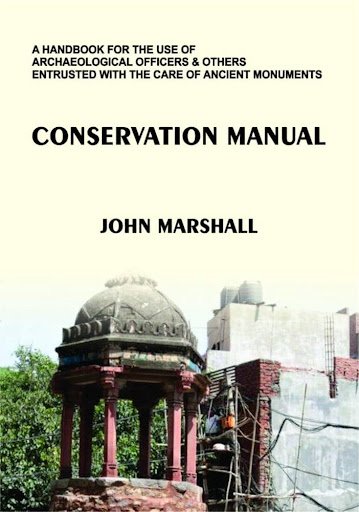
- John Marshall’s Conservation Manual (1923): Advocated extensive repairs and landscaped surroundings; continues to shape ASI’s approach.
- Limitations: Despite laws and the 2014 conservation policy, surveys and audit reports show many monuments are in decay.
- Privatisation Push: Government increasingly invites corporations to “adopt” monuments, raising concerns about commodification.
Towards a Holistic Approach
Lessons from Gandhi and Sarvodaya
- Conservation should improve not just structures but also the lives of communities living around monuments.
- Visitors must be able to appreciate the sophistication and resilience of original builders.
Translators’ Insight
- Just as meanings evolve in languages, preservation must acknowledge the distance between past and present.
- Materials and methods should be periodically reviewed to ensure they do not harm the original fabric.
Wildlife Biologists’ Perspective
- Protection is effective when ecosystem linkages are preserved.
- Monuments should be seen in relation to water bodies, forests, settlements, rather than isolated by walls.
Mycologists’ View
- Decay can be transformative; fungi show that neglected structures may still serve communities.
- Forgotten smaller monuments (cisterns, dovecotes, old city walls) can recharge aquifers, provide habitats, boost local economies, and serve as public spaces.
Economists’ Contribution
- Value lies in functionality, not just appearance (e.g., restoring natural ventilation instead of repainting façades).
- Emphasising scarcity enhances heritage value and justifies larger budgets.
- Creative destruction can repurpose submerged temples or ruins into laboratories for innovation (e.g., underwater archaeology).
Citizen’s Role in Conservation
- Awareness and Heritage Literacy: Learning to “read stones” of monuments helps uncover silenced histories and biases.
- Community Participation: Local people must be engaged in upkeep and benefit-sharing.
- Democratising Heritage: Conservation should be a collective endeavour, not limited to state agencies or corporations.
- Dialogue and Memory: Encouraging citizens to share experiences sustains monuments as living spaces, not frozen relics.
Way Forward
1. Draft a New Conservation Manual integrating ecological, cultural, and social dimensions.
2. Interdisciplinary Collaboration between historians, scientists, economists, translators, and citizens.
3. Community-Centric Conservation to align heritage with local development.
4. Innovative Use of Technology for documentation, underwater archaeology, and monitoring.
5. Policy Reform & Budgetary Support by recognising monuments as scarce, irreplaceable resources.
UPSC Relevance
GS Paper I (Indian Heritage & Culture):
- Conservation of monuments and cultural heritage.
Mains Practice Question
Q. India’s conservation practices remain largely colonial in outlook, focusing on structural repairs rather than holistic engagement. Discuss the need for a new conservation manual that integrates community participation, interdisciplinary perspectives, and citizen responsibility. (250 words)