
Context
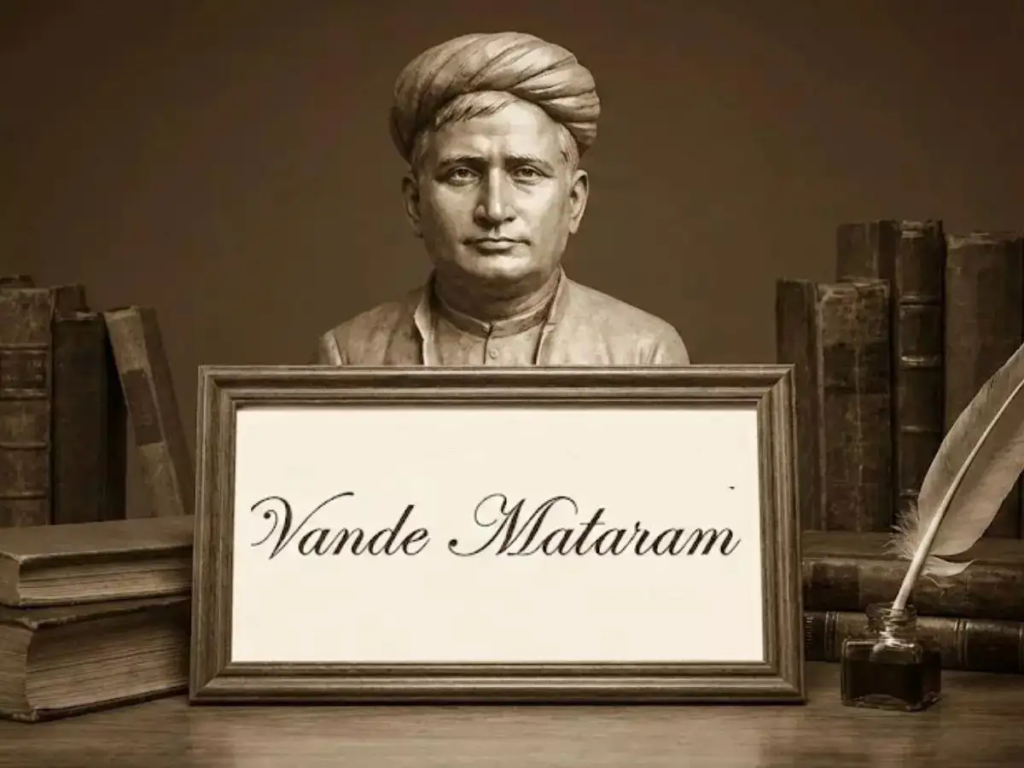
- The Union Ministry of Home Affairs (MHA) issued an order on January 28, 2026. It directed playing of all six stanzas of Vande Mataram at official functions.
- It applies to civil ceremonies, presidential events, and school assemblies.
- The order revived debate on patriotism, legality, and constitutional limits. It triggered discussion on relationship between national pride and civil liberties.
Historical & Constituent Assembly Position
- In October 1937, the Congress Working Committee reviewed objections to the song. Leaders like Dr. Rajendra Prasad, Sardar Patel, and Mahatma Gandhi participated.
- The Committee accepted minority concerns regarding religious imagery. It resolved that only the first two stanzas be used officially as the later stanzas invoke Hindu deities like Durga, Lakshmi, and Saraswati.
- The Constituent Assembly (1950) recognised it as National Song, adopting only two stanzas.
Constitutional & Legal Framework
- Article 51A(a) mandates respect for National Flag and National Anthem only and the National Song is absent from Fundamental Duties.
- The Prevention of Insults to National Honour Act, 1971 protects Anthem and Flag.
- No statutory protection exists for Vande Mataram.
- There is no legal penalty for not singing or standing for it.
Judicial Interpretation & Rights Jurisprudence
- The landmark case Bijoe Emmanuel vs State of Kerala (1986) is central.
- The Supreme Court upheld freedom of speech and religion.
- Justice O. Chinnappa Reddy affirmed right to remain silent.
- It cited the U.S. judgment in Barnette (1943) on compelled nationalism. The ruling affirmed that patriotism cannot be legally coerced.
Constitutional Concerns
- Compulsory standing may affect minority conscience rights.
- Article 25 protects freedom of belief and religious expression.
- Forced participation risks undermining India’s secular republic character.
- The MHA order overrides the 1937 political settlement.
Way Forward
- Respect Constituent Assembly intent on limited official adoption.
- Adhere to judicial principles laid down in Bijoe Emmanuel case.
- Avoid executive actions lacking legislative or constitutional backing.
- Uphold constitutional patriotism rooted in pluralism.
- Protect individual freedom of conscience in national symbolism.
- Balance national pride with civil liberty safeguards.
Vande Mataram
|