
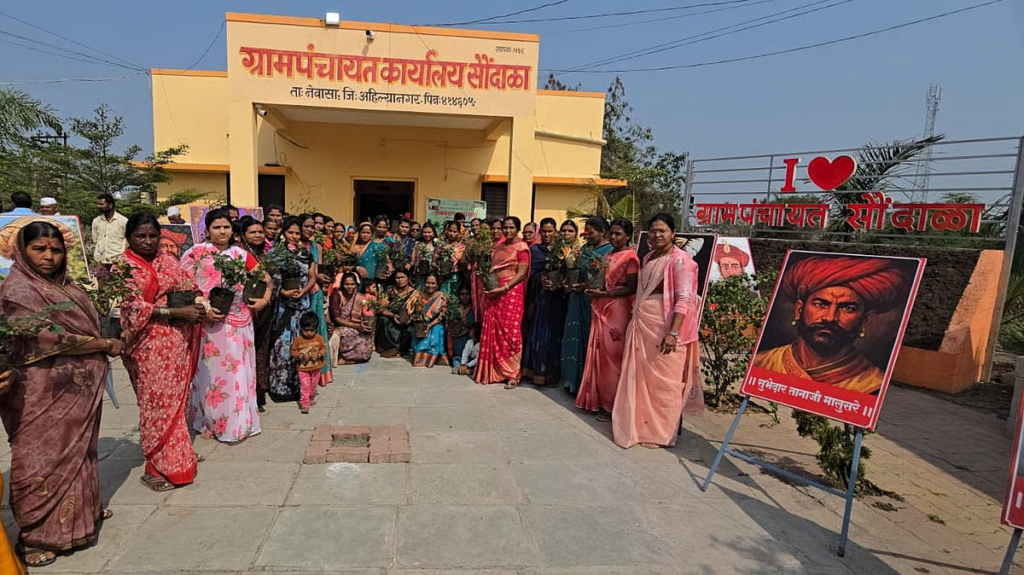
Context & Ethical Significance
- A village in Maharashtra passed a resolution declaring itself caste-free through Gram Sabha consensus.
- The initiative aimed to eliminate discrimination across social, religious, and occupational identities.
- The resolution reflects grassroots commitment to equality and social harmony. It emerged as a preventive response to rising caste divisions in society.
- The decision demonstrates moral leadership at the community governance level.
Core Ethical Values Reflected
- Equality: All residents were declared equal irrespective of caste, creed, or religion.
- Human Dignity: The resolution emphasised humanity as the primary basis of social identity.
- Fraternity: Collective action fostered unity across historically divided communities.
- Social Justice: It attempted to dismantle entrenched discrimination practices.
- Respect for Diversity: Multiple castes and religions coexisted under shared ethical commitments.
Ethical Leadership & Community Responsibility
- The village leadership played a transformative role in shaping inclusive social norms.
- Moral persuasion replaced coercion in implementing social reform.
- Public institutions were directed to remain open and non-discriminatory.
- Authorities committed action against social media content fuelling caste tensions.
- Preventive ethics guided decision-making rather than reactive conflict resolution.
Impact
- Students reported reduced discrimination within school environments.
- Early exposure to equality fosters long-term attitudinal transformation.
- Inclusive schooling prevents internalisation of caste prejudices.
- Community decisions influence youth socialisation patterns significantly.
- Collective ethical environments shape future democratic citizenship.