
Core Recommendation and Vision
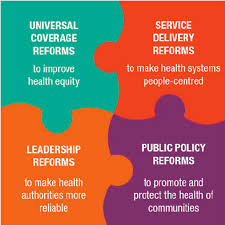
- Lancet-commissioned experts proposed a citizen-centred, publicly financed, publicly provided healthcare system.
- The model aims to serve as the primary vehicle for Universal Health Coverage in India.
- The private sector should be shaped to complement public delivery and leverage its strengths.
Human Resources and Capacity Building
- The commission urged a shift from formal qualifications to provider competencies and values.
- Frontline workers and Indian systems of medicine practitioners should be empowered.
- Recognised systems include Ayurveda, Yoga, Unani, Siddha, and Homeopathy.
- Emphasis placed on motivations, ethics, and practical service delivery abilities.
Role of Technology and Digital Integration
- Digital technologies should enable integration of diverse healthcare providers and multiple payers.
- Health data exchange can improve structured care coordination and provider communication.
- Artificial intelligence and genomics can drive advanced diagnostics and preventive care.
- Capital-efficient innovations can support point-of-need, citizen-focused healthcare delivery.
Governance and Financial Reforms
- State and district institutions need clear role definitions and stronger financial autonomy.
- Local officials require enhanced management capacity for responsive healthcare reforms.
- Digital tools should improve fund flow efficiency and reduce bureaucratic barriers.
- Simplified financial procedures can increase effective utilisation of public health funds.
Budgeting and Accountability Measures
- The commission recommended moving from line-item budgets to global budgeting systems.
- Global budgets can encourage high-quality, citizen-centred service delivery.
- Reporting frameworks should prioritise health outcomes instead of input-based accounting.
- This approach promotes a culture of accountability and institutional trust.
Global Health Positioning
- With WHO challenges and reduced U.S. global health engagement, India’s leadership role can grow.
- India can amplify the Global South’s voice for equitable international health governance.