
Why in News: States such as Tamil Nadu, Telangana, Maharashtra, and Kerala, which have higher rates of inter-caste marriages due to Dalit empowerment, are simultaneously witnessing a rise in honour killings.
Introduction
- Caste in India is not merely an individual prejudice; it is a deeply embedded social structure sustained by families, communities, and customs.
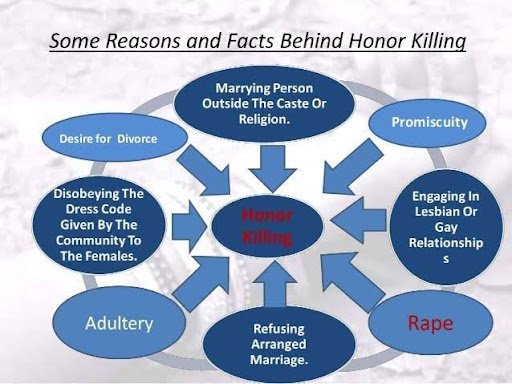
- One of the most brutal manifestations of caste rigidity is honour killings, particularly when inter-caste marriages threaten entrenched hierarchies.
- These killings expose the paradox of caste in contemporary India — its resilience in the face of growing empowerment and social justice movements.
Tamil Nadu’s Caste Paradox
- Progressive Civil Society: Strong anti-caste movements and democratic voices challenge caste-based violence.
- Contradictory Individual Attitudes:
- Publicly: caste killings condemned.
- Privately/online: caste is glorified; anonymous posts defend violence.
- Interpretation: The State lives in a liminal space — between tradition and transformation. Social justice politics foster progressive ideals, but inherited prejudices persist in private spheres.
The Role of the Family in Reinforcing Caste
- Primary Enforcer: Families transmit caste through rituals, social expectations, marriage arrangements, and everyday customs.
- Internalisation: Children absorb caste boundaries (whom to marry, whom to avoid) before they can rationally question them.
- Beyond Politics: While caste-based organisations and political parties play a role, it is the family that sustains caste consciousness across generations.
Emerging Shifts and Changing Family Structures
- Global Patterns: In societies like South Korea and Japan, traditional families are weakening due to declining marriages and fertility.
- Urban Indian Youth: Increasing preference for autonomy, individual well-being, cohabitation, and alternative lifestyles.
- Impact on Caste: As the family weakens as the central social unit, caste — which depends on family structures for reproduction — may also lose ground.
- Slow Dismantling: Caste may not disappear overnight, but its cultural infrastructure is gradually eroding through changing lifestyles and evolving self-identities.
Way Forward
1. Legal Reinforcement: Strict enforcement of Supreme Court rulings (e.g., Shakti Vahini v. Union of India, 2018) mandating protection of inter-caste couples.
2. Community Engagement: Strengthen civil society initiatives and local awareness campaigns to delegitimise honour killings.
3. Digital Counter-Narratives: Promote online campaigns challenging caste glorification and defending inter-caste unions.
4. Family Reform through Education: Curriculum changes that sensitise children early to values of equality and constitutional morality.
5. Support Systems for Couples: Safe houses, legal aid, and helplines for inter-caste and interfaith couples under threat.
Conclusion
Honour killings reflect not only the persistence of caste but also the backlash against its erosion. While families and communities continue to reproduce caste prejudices, rising empowerment and social mobility are weakening its hold.
UPSC Relevance
GS Paper I (Society):
- Role of caste in Indian society; social empowerment; issues of women and vulnerable sections.
Mains Practice Question
Q. Honour killings in India reveal not only the persistence of caste but also the resistance to its erosion. Analyse this paradox, highlighting the role of family, civil society, and changing lifestyles in sustaining or weakening caste boundaries. (250 words)