
Syllabus: Conservation, environmental pollution and degradation, environmental impact assessment
Context and Recent Trigger
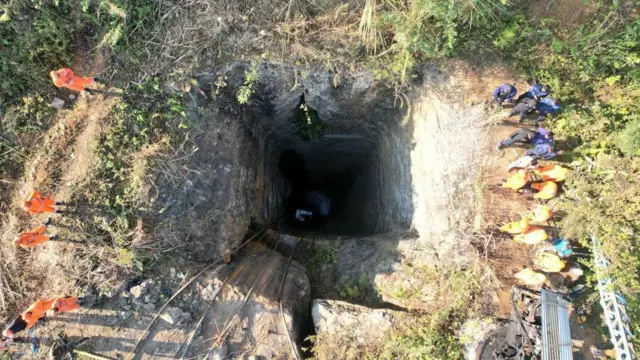
- Explosion in an illegal rat-hole coal mine in Meghalaya killed at least 18 workers.
- Incident highlights limits of court supervision without effective governance.
- Illegal coal mining remains a persistent national challenge.
Structural Drivers of Illegal Mining
- Meghalaya’s coal belt operates through small private and community landholdings.
- Coal seams are thin, encouraging unsafe extraction methods.
- Local enforcement mechanisms remain weak and fragmented.
- Informal supply chains help illegal coal enter legal markets.
- Intermediaries facilitate laundering of illegally mined coal.
Nature and Risks of Rat-Hole Mining
- Rat-hole mining dominates illegal extraction ecosystems.
- Tunnels lack engineered roofs and side-wall protections.
- Mines remain highly prone to collapse and accidents.
- National Green Tribunal banned practice in 2014, yet violations continue.
- High livelihood dependence sustains illegal operations.
Labour and Social Concerns
- Operators often underreport accidents and conceal fatalities.
- Workers frequently remain outside formal employment records.
- Injuries from polluted water and acid drainage go unnoticed.
- Child labour and unsafe working conditions persist.
- Degraded landscapes and damaged roads worsen living conditions.
Enforcement and Regulatory Gaps
- Illegal coal becomes indistinguishable once inside supply chains.
- Meghalaya already has regulatory provisions under MMDR Act.
- Detection and monitoring costs remain high.
Suggested Governance Reforms
- Introduce mandatory GPS tracking for all coal transport vehicles.
- Cancel consignments deviating from authorised transport routes.
- Integrate satellite and drone surveillance with control systems.
- Incentivise community monitoring through penalty sharing.
- Penalise intermediaries via seizures, licence cancellation, and blacklisting.
Socio-Economic Alternatives and Labour Protection
- Provide alternative livelihoods through horticulture and tourism linkages.
- Expand credit and market access for small enterprises.
- Absorb displaced labour into public works programmes.
- Allow worker testimony with amnesty to expose contractors.
- Rotate officials and audit permits to curb administrative tolerance.