
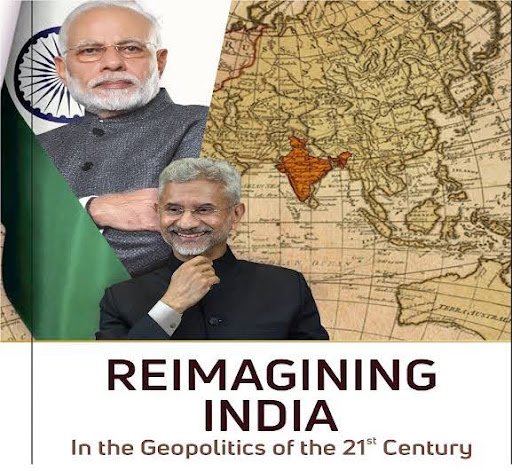
Why in News: Global geopolitics is undergoing a reset, and India must assert itself as a leading power.
Context and Background
- Recent events such as Operation Sindoor and changing international alliances reveal that India’s strategic interests are being side-lined.
- India faces challenges in converting military successes into global diplomatic support.
Major Developments
1. Operation Sindoor & the Pahalgam Attack
- India retaliated strongly after the Pahalgam terror attack (April 2025), killing Pakistani Lashkar-e-Taiba terrorists.
Despite the clear evidence of Pakistan’s involvement:
- Strategic partners avoided calling out Pakistan.
- U.S. President Trump took credit for ceasefire via trade pressure.
- Trump hosted Pakistan’s Field Marshal Asim Munir post-Operation Sindoor — a diplomatic slight to India.
- U.S. designated The Resistance Front (TRF) as a Foreign Terrorist Organization (FTO) — a partial recognition.
2. Strains in India-U.S. Relations
- On the day of the India-U.S. NISAR satellite launch, U.S. imposed 25% tariffs on Indian goods.
- Trump threatened further tariffs if India continues importing Russian oil.
- He urged U.S. companies not to invest in India.
Contradictory U.S. policies:
- Allowed NVIDIA to resume AI chip sales to China.
- Downplayed India’s security concerns in South Asia and Myanmar.
3. India-EU Frictions
- EU’s sanctions on India’s Vadinar refinery despite similar Russian oil imports by European countries.
Imposition of:
- Carbon Border Tax
- Digital trade barriers
Despite ongoing India-EU trade talks, EU’s approach appears discriminatory.
4. China’s Assertive Moves
China is gaining ground in India’s neighbourhood:
- Proposed Bangladesh-Pakistan-China trilateral initiative (Kunming meet).
- Helping Bangladesh revive Lalmonirhat airbase near Siliguri Corridor.
China’s aggressive tactics:
- Standardising Mandarin names for Arunachal Pradesh.
- Plans to build largest dam on the Brahmaputra (Yarlung Zangbo).
- Squeezing India’s supply chains in pharma, rare earths, fertilizers.
India’s Strategic Challenges
A. Declining Trust with Partners
- U.S. tilt towards Pakistan & unilateral trade actions.
- EU’s selective pressure on India, while being lenient with others.
India sidelined in global conflicts like:
- Gaza-Israel
- Israel-Iran
- Ukraine-Russia
B. Missed Multilateral Opportunities
- Not part of RCEP (Regional Comprehensive Economic Partnership).
- Diminishing role in RIC (Russia-India-China).
- Need to leverage BRICS, SCO, and regional diplomacy more effectively.
C. Economic Coercion and Supply Chain Vulnerabilities
- Dependence on China for critical raw materials (rare earths, pharma ingredients) exposes India to economic leverage.
D. Geopolitical Repercussions of Energy Security
- Increasing reliance on Russian oil and energy imports has triggered backlash from Western partners.
- Balancing energy needs with geopolitical alignments remains a delicate challenge.
The Road Ahead: Strategic Course Correction
What India Needs to Do
1. Assertive Diplomacy
- Call out double standards (e.g., on Russian oil, sanctions).
- Play a more proactive role in global conflicts to garner reciprocal support.
2. Repair Key Partnerships
- Conclude India-U.S. trade deal to stabilise ties.
- Push for Quad Summit participation.
3. Strengthen Multilateral Engagement
- Host BRICS 2026 Summit meaningfully.
- Deepen ties with East Asia and SCO.
4. Defend Strategic Autonomy
- Resist external pressure on energy and trade decisions.
- Avoid excessive dependence on any single power.
5. Promote a New Strategic Template
- Recognise that geopolitics now shapes economic outcomes.
- Shift from passive growth model to active global engagement.
Conclusion
- India must realise that the older strategy of silence and self-focus no longer works in today’s coercive geopolitical environment. Economic ambitions require geopolitical assertiveness. The world respects power backed by voice—and India must now speak up, align smartly, and act decisively.
UPSC Relevance:
GS Paper II – International Relations
- Bilateral, regional and global groupings and agreements involving India.
Mains Practice Question
Q. India is increasingly being sidelined in global strategic conflicts despite its rising economic and geopolitical stature. Critically examine the factors responsible and suggest a way forward.