
Why in News: The India–United Kingdom Free Trade Agreement (FTA) has been hailed as the ‘gold standard’ for India’s trade deals. However, beneath the praise lies a critical oversight — the silent compromise of India’s digital sovereignty.
What India Conceded in the Digital Domain : Despite being hailed as a model trade deal, the India–U.K. FTA has involved quiet but serious concessions in the digital sector:
Source Code Access Given Up:
- India surrendered its right to demand pre-emptive (ex ante) access to source code of foreign digital products, limiting its ability to regulate AI, health, and telecom software. This marks a reversal from India’s earlier position at global forums like the WTO.
Access to Open Government Data:
- The agreement grants non-discriminatory access to India’s government-held data to U.K. entities. In the AI era, such data is a strategic asset, not just a transparency tool. Sharing it compromises national innovation capacity and security.
Weakening of Data Localisation Stand:
- India agreed to a clause requiring consultation with the U.K. if it makes similar digital concessions to other countries. This subtly weakens India’s long-held position on data localisation and cross-border data flow.
No Clear Digital Strategy:
- These concessions reflect a lack of a cohesive digital industrialisation policy and absence of expert involvement during negotiations. The digital domain, unlike other sectors, lacked strong advocacy or political protection.
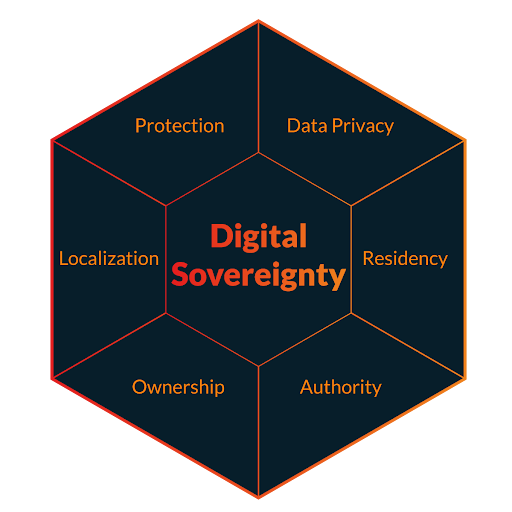
Potential Implications for India’s Digital Future
Weakening Regulatory Capacity:
- Without source code access, India’s ability to monitor critical digital infrastructure for cybersecurity, algorithmic bias, or health risks is severely compromised.
Loss of Data Advantage:
- Foreign access to national data undermines India’s ambition to become an AI superpower, reducing its capacity to develop competitive indigenous digital products.
Erosion of Policy Flexibility:
- The FTA’s consultation clause may restrict India’s future decision-making autonomy in digital matters, particularly in multilateral negotiations or bilateral deals.
Risk of Becoming a Digital Colony:
- By giving up control over data and digital systems, India risks becoming a raw data exporter, while value addition and innovation shift abroad — echoing patterns of colonial exploitation during the industrial era.
Security Risk:
- Open access to national data can be weaponised, threatening national security and digital independence.
Loss of Economic Sovereignty:
- Conceding data rights and software access erodes India’s ability to build a self-reliant digital economy, compromising future prosperity and independence.
The Way Forward
- Policy Formulation: Urgently draft a comprehensive Digital Sovereignty and Digital Industrialisation Policy, establishing core principles to guide international trade engagements.
- Strategic Negotiations: Ensure digital experts are part of trade negotiation teams and have direct access to top political leadership.
- Safeguard National Interests: Treat data and digital infrastructure as non-negotiable national assets, akin to land or defense technology.
- Build Domestic Capabilities: Invest in domestic AI, semiconductor, and cloud computing capabilities to reduce dependency on foreign players.
Conclusion:
- India must act urgently to safeguard its digital future. A comprehensive digital sovereignty and industrialisation policy is needed, along with inclusion of digital experts in trade negotiations
UPSC Relevance
GS Paper 2 (Governance, International Relations)
- Bilateral agreements and their impact on India’s sovereignty
GS Paper 3 (Economic Development, Security, Technology)
- Effects of liberalization on the economy
- Role of data and digital infrastructure in national development
Mains Practice Question
Q. In the context of recent trade agreements, critically analyse how India’s concessions in the digital domain may impact its long-term digital sovereignty and innovation ecosystem. (Answer in 250 words)