
Syllabus: Bilateral, regional and global groupings and agreements involving India and/or affecting India’s interests
Context and Background
- India skipped the Trump-led Board of Peace (BoP) charter announcement at Davos.
- The BoP forms Phase 2 of the Gaza Peace Proposal for Israel-Palestine conflict resolution.
- The proposal was cleared by the UN Security Council in November 2025, with Russia and China abstaining.
Rationale for Considering Participation
- India remains a principled supporter of the Palestinian cause and humanitarian assistance provider.
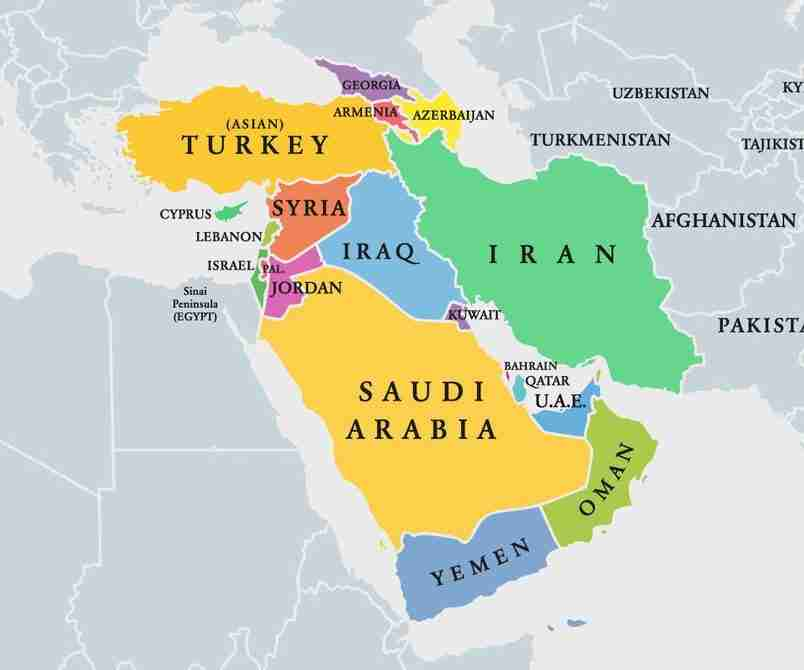
- About 20 countries have joined, including UAE, Saudi Arabia, Israel, and Türkiye.
- Fragile India-U.S. trade negotiations and recent diplomatic strains add external pressure.
Structural and Mandate Concerns
- Leaked charter versions reportedly omit explicit reference to Gaza in the Board’s mandate.
- The Board’s structure appoints Donald Trump as Chairman, with associates on the executive body.
- The charter proposes extending the BoP to other global conflicts, potentially supplanting the UN.
Representation and Legitimacy Issues
- The BoP includes Palestinian technical experts, but excludes Palestinian political leadership.
- Israeli Prime Minister Netanyahu is included, despite genocide accusations by UN agencies.
- Exclusion of the Palestinian President raises concerns for countries recognising Palestine.
India-Specific Strategic Risks
- Pakistan’s participation is flagged as a concern, particularly regarding possible Kashmir inclusion.
- The BoP proposes two-tier membership, including “permanent” status for a $1 billion fee.
- India may face pressure to contribute troops to a non-UN International Stabilization Force.
Diplomatic and Normative Implications
- Membership risks reducing participants to rubber stamps for unilateral U.S. decisions.
- The Board’s design raises concerns about legitimacy, accountability, and multilateral integrity.
- India is urged to consult partners, especially Palestinians, before any formal commitment.
Policy Guidance for India
- Decisions should avoid fear-driven diplomacy or symbolic influence-seeking.
- India must retain independent strategic judgement and ethical consistency.
- Engagement should align with international norms, UN centrality, and national conscience.