
Syllabus: Comparison of the Indian constitutional scheme with that of other countries
Background and Triggering Events
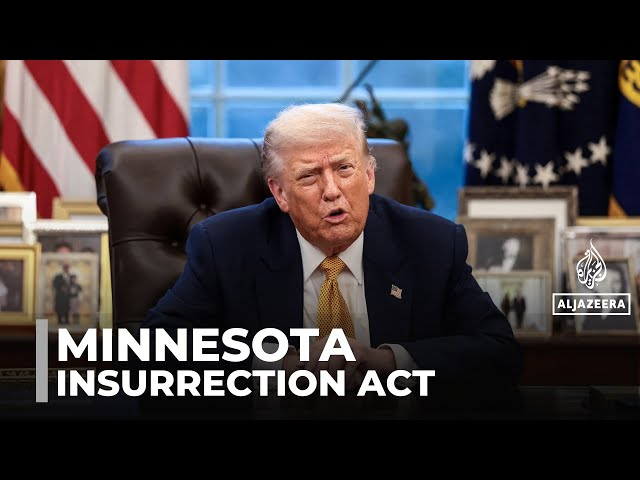
- U.S. President threatened invoking the Insurrection Act following federal shootings during immigration enforcement protests.
- Federal agents killed an American woman and wounded a Venezuelan man in separate Minnesota incidents.
- The events sparked mass protests in Minneapolis, a Democratic stronghold.
- Demonstrators criticised aggressive immigration raids conducted by federal authorities.
Legal Framework: Posse Comitatus and Insurrection Act
- Under the U.S. Constitution, governors normally maintain public order within state boundaries.
- The Posse Comitatus Act restricts federal military involvement in domestic law enforcement.
- The Insurrection Act, enacted in the early nineteenth century, creates a legal exception.
- It authorises the President to deploy armed forces to suppress domestic insurrection or violence.
- The law enables enforcement when normal legal processes are obstructed.
Requirement of State Approval
- Certain scenarios require consent from a state governor or legislature.
- The Act also specifies circumstances where presidential approval alone is sufficient.
Historical Use and Precedents
- The Act has been invoked dozens of times throughout United States history.
- Its application became rare after the 1960s civil rights movement.
- The last invocation occurred during the 1992 Los Angeles riots following the Rodney King verdict.
Judicial Review and Legal Challenges
- Courts are generally reluctant to challenge presidential military determinations.
- The law provides limited judicial oversight, granting wide discretion to the executive.
Conclusion
- The episode highlights tensions between federal authority, state governance, and civil liberties during domestic unrest.
Q- Compare the balance between executive authority and civil liberties in the U.S. and India during internal unrest. (250 words)
