
Why in News: On World Organ Donation Day (August 13), experts highlighted India’s low organ donation rate (0.8 per million) despite rising transplant numbers, stressing the need to bust myths and improve awareness.
Current Scenario in India:
- Transplants increased from 4,990 (2013) to 18,378 (2023).
- Only 1,099 deceased donors after brain death in 2023.
- Over 5 lakh preventable deaths annually due to lack of suitable donor organs.
Global Comparison:
- India’s organ donation rate: 0.8 per million population.
- Spain & U.S.: Over 45 per million.
Reasons for Low Organ Donation in India
1. Myths & Misconceptions – Fear of body disfigurement, religious concerns, and mistrust about brain death declaration.
2. Lack of Awareness – Poor understanding of brain death, legal safeguards, and donation eligibility.
3. Eligibility Myths – Belief only young accident victims can donate.
4. Weak Outreach – Sporadic campaigns, limited media and community engagement.
5. Healthcare Gaps – Insufficient training for staff to counsel families; lack of transplant coordinators.
6. Policy Gaps – Low deceased donor rate, few retrieval facilities, no presumed consent law.
7. Cultural Barriers – Emotional reluctance, patriarchal decision-making, gender imbalance in recipients.
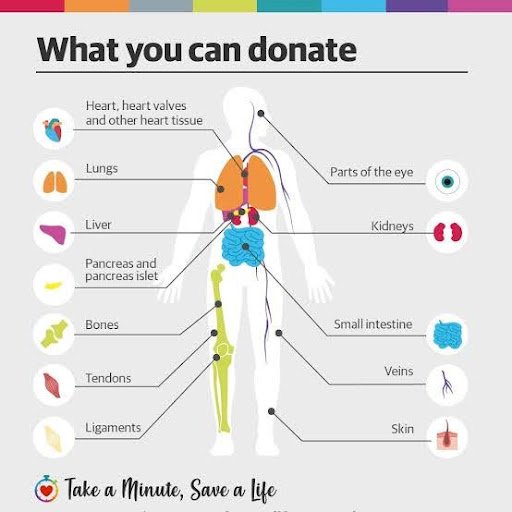
Strategies to Increase Organ Donation in India
1. Bust Myths & Misconceptions
- Public campaigns to clarify that organ donation does not disfigure the body or hinder funeral rites.
- Religious leaders’ endorsements highlighting donation as an act of compassion.
2. Expand Public Awareness & Education
- Continuous TV, radio, and social media campaigns with real donor and recipient stories.
- School & college curriculum integration on organ donation ethics and science.
3. Strengthen Healthcare Capacity
- Regular training for doctors, nurses, and counsellors on initiating sensitive donation conversations.
- Dedicated transplant coordination teams in hospitals.
- Increase brain-death certification facilities and trained personnel.
4. Policy & Legal Reforms
- Consider Presumed consent policy with strong safeguards (as in Spain, Croatia). Every adult is a donor unless they opt out.
- Incentives or recognition for donor families.
- Clear grievance redress and transparency in allocation.
5. Improve Access & Infrastructure
- More organ retrieval centres, storage facilities, and transport systems.
- Strengthen NOTTO, ROTTO, and SOTTO networks for real-time organ sharing.
6. Address Gender Disparities
- Implement fair allocation policies giving priority to underrepresented groups like women.
- Monitor and publish gender-disaggregated transplant data.
7. Foster a Culture of Giving
- National pledge drives for organ donation registration.
- Collaborations with corporates, NGOs, and community organisations to normalise donation as a social duty.
Gender Disparity in Transplant Recipients:
NOTTO Data (2013–2023)-
- Women: 63% of living donors, but much lower as recipients.
- 2023 recipient share:
- Heart: 24%
- Liver: 30%
- Pancreas: 26%
BMJ Analysis (Past 5 Years):
- Women contributed 36,038 of 56,509 living donations.
- Received transplants in only 17,041 cases
NOTTO Advisory Recommendations on addressing Gender Imbalance in Organ Transplantation
- Priority allocation: Women patients on the waiting list to get additional points in organ allocation criteria.
- Special consideration: Relatives of deceased donors also to receive priority as beneficiaries.
Implementation Concerns
Current law/protocols: No gender-based priority allowed; allocation is based on medical urgency under the Transplantation of Human Organs Act.
Ambiguity: Definition of “near relatives” unclear. Inclusion of all families who donated cadaveric organs since 1995 still undecided.
Risk of misuse: Fear of out-of-turn allotments; concerns amid organ trafficking cases.
Way Forward
- Participatory process: Involve hospitals, NGOs, and transplant coordinators in finalising criteria.
- Transparency: Maintain ethical oversight and grievance redress systems.
- Medical priority preserved: Ensure that health parameters remain the primary criterion for allocation.
Upsc Relevance
GS Paper 1: Indian Society, Social Issues, and Ethics
- Cultural and religious beliefs affecting organ donation.
GS Paper 2: Polity, Governance, and Social Justice
- Role of NOTTO and government bodies in organ donation governance.
Mains Practice Question
Q. Discuss the public health challenges related to organ transplantation in India and suggest policy reforms to address the demand-supply gap.
Prelims Quick Facts
National Organ and Tissue Transplant Organization (NOTTO)
What is NOTTO?
- Apex national-level organization under Directorate General of Health Services, Ministry of Health and Family Welfare, New Delhi.
Legal Mandate:
- Established under the Transplantation of Human Organs and Tissues (Amendment) Act, 2011.
Functions:
- Coordinates procurement and distribution of organs and tissues across India.
- Maintains the national registry for organ and tissue donation and transplantation.
Divisions:
1. National Human Organ and Tissue Removal and Storage Network
2. National Biomaterial Centre
Key Activities:
- Formulates policy guidelines and protocols for organ transplantation.
- Networks with regional and state-level transplant organizations.
- Compiles and publishes data from state and regional registries.
- Promotes awareness and deceased organ donation.
- Coordinates organ procurement and transplantation, especially when organs are allocated beyond regions.
- Disseminates information to hospitals, organizations, and stakeholders.