
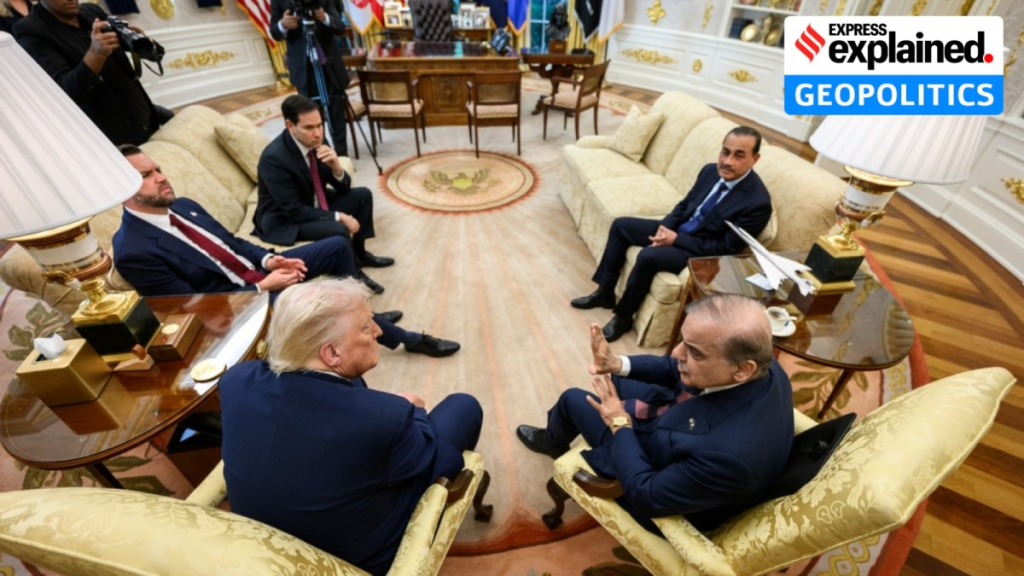
Context: Amid the ongoing West Asia conflict and global efforts to de-escalate tensions, Pakistan has positioned itself as a potential mediator, proposing diplomatic initiatives to bridge divides between key actors.
Pakistan’s Mediation Pitch and Diplomatic Positioning
- Pakistan has proposed a 15-point peace plan to Iran, reflecting its intent to play a proactive diplomatic role.
- It has offered itself as a venue for US–Iran talks, attempting to regain strategic relevance.
- Pakistan, along with Turkey and Egypt, is engaging in backchannel diplomacy amid rising regional tensions.
- Its Army Chief Field Marshal Asim Munir’s meeting with US leadership indicates efforts to strengthen strategic engagement.
- Pakistan has historically acted as a mediator, notably facilitating the US–China rapprochement (1970s) and engaging in Iran-related diplomacy.
Structural and Geopolitical Constraints
- Pakistan’s deep ties with Saudi Arabia undermine its credibility as a neutral mediator in Iran-related conflicts.
- Its dependence on Gulf economies, especially Saudi financial support, limits its strategic autonomy.
- Lack of direct leverage over major powers reduces its ability to influence conflict outcomes.
- Ongoing instability in neighbouring regions, including Afghanistan, weakens its regional standing.
- Internal economic and political challenges further constrain its diplomatic capacity.
Regional Dynamics and Strategic Limitations
- The West Asian conflict has exposed how countries dependent on the region remain vulnerable to geopolitical disruptions.
- Pakistan’s mediation efforts are complicated by shifting alliances and lack of mutual trust among stakeholders.
- India’s expanding engagement with West Asia reduces Pakistan’s strategic relevance in the region.
- The absence of US military presence in Pakistan limits its role in facilitating high-level negotiations.
- Pakistan’s condemnation of regional actions without consistent diplomatic follow-through affects its credibility.
Assessment of Mediation Prospects
- Pakistan’s proposal reflects diplomatic ambition but lacks the necessary institutional backing and influence.
- Its role is constrained by competing regional interests and entrenched power asymmetries.
- While it may serve as a facilitator, its ability to deliver outcomes remains uncertain.
Conclusion
- Pakistan’s attempt to position itself as a mediator highlights its search for geopolitical relevance, but structural constraints arising from alliances, limited leverage, and regional complexities significantly limit its effectiveness.