

PRELIMS
2025 Numbeo Safety Index
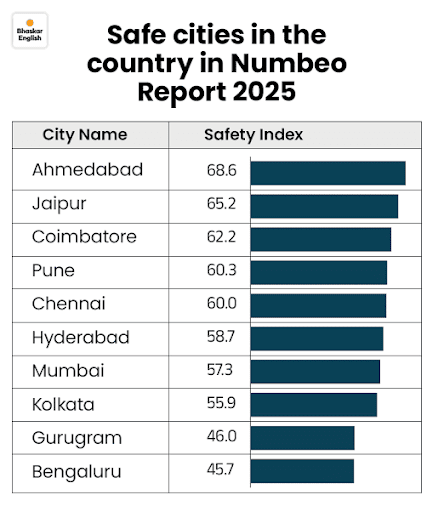
Why in News: India’s ranking and city-wise safety scores have been highlighted in the 2025 Numbeo Safety Index report, sparking discussions on urban safety challenges and the need for improved law enforcement and civic infrastructure, especially in cities.
India’s Ranking:
- India ranks 67th globally with a safety score of 55.8.
Safest Indian Cities:
- Mangalore tops India’s list with a score of 74.2, ranking 49th globally.
- Gujarat leads with three cities in top 10: Vadodara (69.2), Ahmedabad (68.2), and Surat (66.6).
- Southern cities like Thiruvananthapuram and Chennai also feature in top 10.
Least Safe Indian Cities:
- New Delhi (crime index 59.03), Ghaziabad (58.44), and Noida (55.1) are among the least safe.
- Common issues include violent crimes, harassment (especially of women), and property crimes.
Global Leaders:
- Abu Dhabi leads as the world’s safest city with a score of 88.8 for the 9th consecutive year.
- Other top cities include Doha, Dubai, Sharjah (Middle East) and Taipei (Taiwan).
- UAE ranks 2nd globally among countries for safety.
Methodology:
- Based on public perception of safety during day and night.
- Considers risks like mugging, robbery, car theft, assault, harassment, discrimination, burglary, vandalism, and homicide.
- Higher scores = safer city.
Urban Policy Implications:
- Higher safety linked to effective law enforcement and good civic infrastructure.
- Public perception plays a major role in rankings.
Emotions and Brain Mapping
Why in News: A recent study published in Science has for the first time mapped the brain-wide activity patterns that trigger emotions, revealing how initial reflexive responses evolve into sustained emotional experiences.
Study Published: In Science journal, mapping brain-wide activity patterns triggering emotions.
What are Emotions? Spontaneous, intangible responses aiding survival by quickly reacting to environment.
Experiment: Eye puff assay using air puffs to induce mild unpleasant sensations; participants’ blinking and brain activity recorded.
Key Finding: Emotions have two phases — an initial reflexive neural burst followed by a slower, sustained brain activity linked to emotional experience.
Role of Ketamine: Blocks slower brain response phase without affecting reflex, reducing emotional impact (e.g., from “annoying” to “tickling”).
Brain Regions: Initial response from midbrain (thalamus, periaqueductal grey); slower sustained activity involves limbic system and frontal cortex.
Cross-Species Confirmation: Similar brain activity patterns and ketamine effects observed in mice.
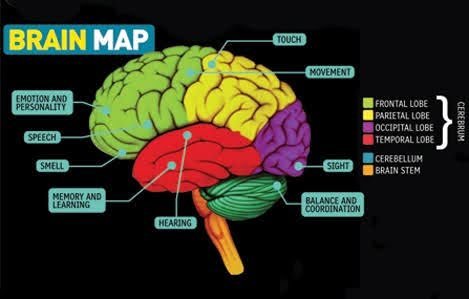
Implications: Emotional responses help quick decision-making; overactive sustained activity linked to disorders like depression, PTSD.
Significance: First study showing differential timing of brain regions in emotion formation, advancing understanding of brain’s information processing.
New Rules on Chemically Contaminated Sites
Why in News:The Environment Ministry has notified new rules under the Environment
Protection Act to legally regulate and address hazardous chemical contamination at polluted sites across India.

New Rules Notified: Environment Protection (Management of Contaminated Sites) Rules, 2025 under the Environment Protection Act.
Definition of Contaminated Sites: Locations with historical dumping of hazardous wastes causing soil, groundwater, or surface water contamination posing risk to health/environment.
Identified Sites: 103 contaminated sites across India; only 7 have started remediation.
Need for Rules:
- Earlier lack of legal framework for site remediation.
- 2010 Capacity Building Program for Industrial Pollution Management aimed to address this in 3 tasks:
- Inventory of contaminated sites
- Guidance on assessment and remediation
- Legal, institutional, financial framework (now fulfilled by 2025 rules)
Process Under Rules:
- The district administration submits half-yearly reports on suspected sites.
- State board/reference organisation conducts preliminary assessment (within 90 days).
- Detailed survey follows (within 3 months) to confirm contamination.
- If hazardous chemicals exceed safe levels (189 chemicals listed), site details publicised & access restricted.
- Reference organisation creates remediation plan.
- State board identifies responsible party (within 90 days).
- Polluters pay remediation costs; if not, State/Centre bears cost.
- Criminal liability possible under Bharatiya Nyaya Sanhita (2023) if loss of life/damage proven.
Exemptions: Radioactive waste, mining, marine oil pollution, solid waste dump sites governed separately.
Limitation: No fixed deadline for remediation completion once site is identified.
Kaleshwaram Lift Irrigation Project
Why in News: The Kaleshwaram Lift Irrigation Project, one of the world’s largest irrigation projects in Telangana, faces scrutiny due to structural damages, cost overruns, and alleged procedural lapses.
What is KLIP?
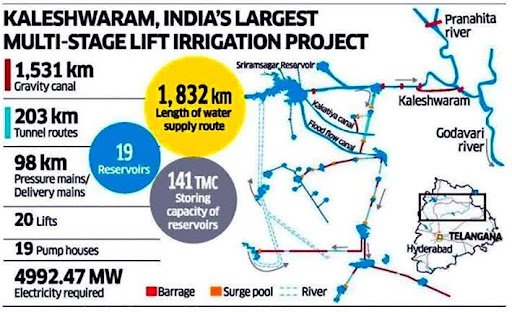
- Multi-purpose irrigation project on Godavari River at Kaleshwaram, Bhupalpally, Telangana.
- World’s largest multi-stage lift irrigation project.
- Aims to irrigate 16 lakh acres across 13 Telangana districts.
- Total water storage: 240 TMC ft; irrigation allocation: 169 TMC ft.
- Also supplies drinking water to Hyderabad and villages, and supports industrial use.
Project Infrastructure:
- Barrages built at Ramadugu, Medigadda, Sundilla, and Annaram across Godavari.
Judicial Inquiry:
- One-man judicial commission led by Justice Pinaki Chandra Ghose constituted to probe lapses.
- Inquiry report submitted on July 31.
- Telangana govt to discuss findings in legislature for future actions.
Starfish
Why in News: Starfish are dying due to the bacterium Vibrio pectenicida, which is related to the cholera-causing bacteria in humans, threatening marine ecosystems where they play a vital predator role.
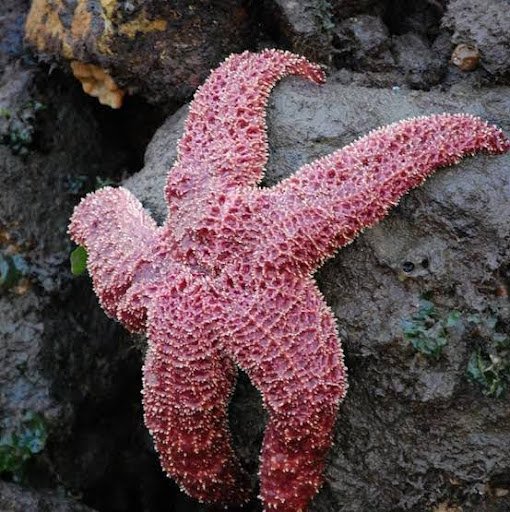
Cause of Death: Dying due to bacterium Vibrio pectenicida, related to cholera-causing bacteria in humans.
Classification: Marine animals belonging to echinoderms.
Also Known As: Sea Stars, due to their star-like shape.
Feeding: Predators feeding mainly on invertebrates like mussels and clams.
Regeneration: Can regenerate or regrow damaged/lost arms.
Circulatory System: No blood; nutrients and oxygen transported via seawater in the water vascular system.
Ecological Role: Key marine predators maintaining species balance in ecosystems.
Fishing Cat
Why in News: Fishing cat populations in India are declining due to habitat loss and human conflict. New tracking projects aim to protect and conserve this threatened species.
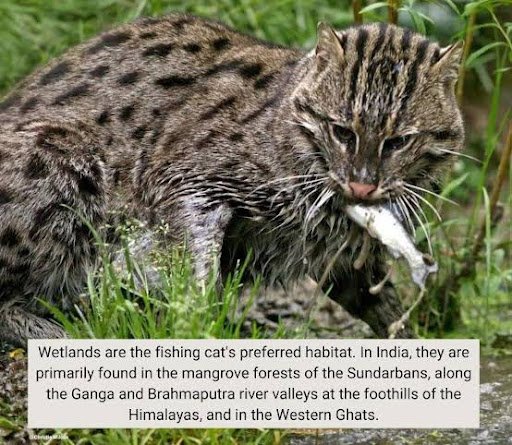
Fishing cat: Small wild cat species found in India’s wetlands; apex predator in its habitat.
Size & features: Twice the size of domestic cats, weighs 7-12 kg, greyish-brown fur with black spots, partially webbed paws, water-resistant coat, protruding claws for gripping fish.
Habitat: Wetlands like river floodplains, mangroves, swamps; found in Terai, Western India marshes, Sundarbans, East coast, Sri Lanka.
Diet: Mainly fish, also rodents and birds; hunts mostly near water edges, rarely fully submerged.
Population: Estimated ~750 in Chilka lake region; declining in Sundarbans; thought extinct in Rajasthan until recent sightings.
Threats: Habitat loss (30-40% wetlands lost in 40 years), human encroachment, conflict due to predation on fish ponds and poultry, revenge killings.
Conservation efforts: Community-based programs; Wildlife Institute of India started GPS collar tracking in Godavari estuaries to study movement and human interactions.
Importance: Protecting wetlands critical for fishing cat survival and ecosystem balance.
Asiatic Lion Conservation
Why in news: Union Environment Minister Bhupender Yadav highlighted the significant rise in the Asiatic lion population in Gujarat, marking India’s success in wildlife conservation.
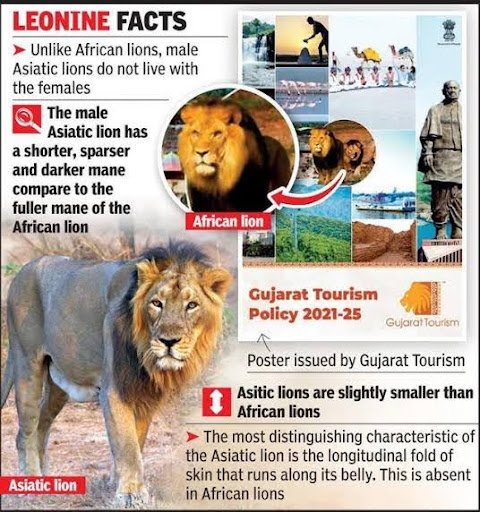
Asiatic Lion Population Rise: Increased from 674 (2018) to 891 (2023) in Gujarat, showing India’s success in wildlife conservation.
Unique Habitat: Asiatic lions found only in Gir, Gujarat, which leads their conservation.
Coexistence Model: Praised the Maldhari pastoralist community for peaceful coexistence with lions.
Big Cat Conservation: India hosts 5 of 7 big cat species; efforts include Project Lion, Project Tiger, Project Elephant, Project Dolphin, and Project Great Indian Bustard.
Other Wildlife Stats: Tiger reserves increased from 47 to 58, hosting 70% of global tiger population; snow leopard population at 714.
Cheetah Reintroduction: African cheetahs successfully reintroduced in India.
Global Cooperation: Emphasis on international efforts for big cat conservation using AI and technology.
New Projects: Gujarat CM launched 11 eco-development projects worth ₹189 crore including safari and breeding centres at Barda.
Asiatic Lion (Panthera leo persica) –
Distribution:
- Historically ranged from southwest Asia to northern India.
- Now found only in Gir National Park and surrounding areas, Gujarat, India.
Protection Status:
- IUCN Red List: Vulnerable
- CITES: Appendix I
- Wildlife Protection Act (India): Schedule I
Physical Characteristics:
- Smaller than African lions; males weigh 160–190 kg, females 110–120 kg.
- Distinct belly skin fold; males have less developed mane, visible ears.
- Fur color ranges from tawny to sandy-grey with silvery sheen.
- Larger tail tuft; less inflated auditory bullae vs. African lions.
Habitat and Behavior:
- Inhabits dry deciduous forests and savannas.
- Predates on deer, antelope, livestock; scavenges carrion.
