

Prelims Pinpointer
POCSO Act, 2012: Child Protection Framework
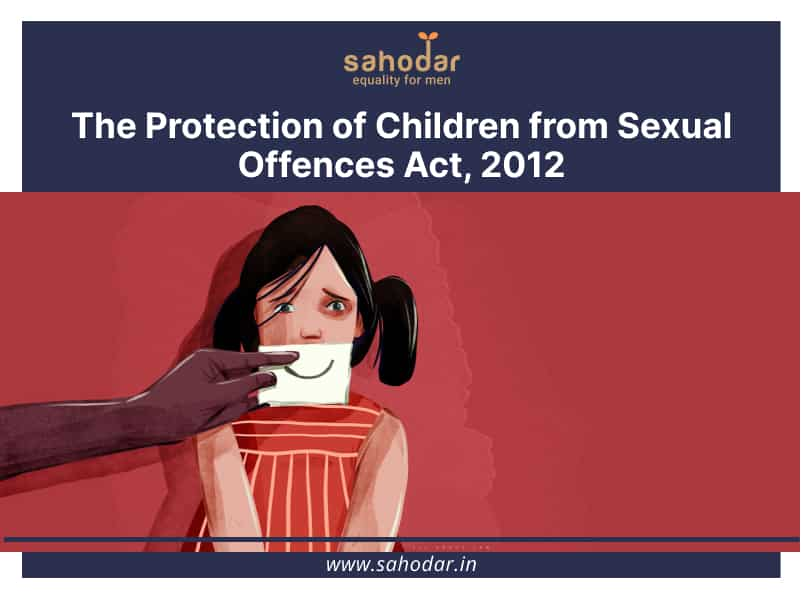
Why Is POCSO Compliance in the News?
- Delhi’s Lieutenant-Governor Taranjit Singh Sandhu ordered a comprehensive citywide audit of schools to assess compliance with the POCSO Act, directing authorities to observe July as “Child Protection Month.”
What Did the Delhi L-G Direct?
- Every school was directed to maintain a dedicated Child Protection Committee for regular monitoring of safety issues.
- A “zero-tolerance approach” towards harassment and molestation of women and children was emphasised.
What Is the POCSO Act, 2012?
- The Protection of Children from Sexual Offences (POCSO) Act was notified on 14 November 2012.
- It was enacted following India’s ratification of the UN Convention on the Rights of the Child (UNCRC) in 1992, which created obligations for a specialised child protection framework.
- The 172nd Law Commission Report had specifically recommended a distinct law for sexual crimes against children.
- The Act defines a child as any person below 18 years and is a gender-neutral law protecting both boys and girls equally.
Key Provisions of the POCSO Act
- It covers penetrative sexual assault, sexual assault, sexual harassment, and use of children for pornography as distinct offences.
- It places the burden of proof on the accused, not on the child victim.
- Mandatory reporting of child sexual offences is a legal duty for all individuals and institutions; failure to report is a punishable offence.
- Cases must be tried by Special Courts designated under the Act, with trials to be completed within one year.
POCSO Amendment Act, 2019 — What Changed?
- Introduced the death penalty for aggravated penetrative sexual assault against children.
- Increased minimum sentences: 10 to 20 years for penetrative assault and 20 years to life for aggravated cases.
- Expanded the definition of child pornography to include storage, browsing, and transmission.
- Enhanced punishment for pornography offences: 3 to 7 years for first-time offenders and 5 to 10 years for repeat offenders.
- Strengthened victim protection through interim compensation and “support person” provisions under POCSO Rules 2020.
Child Protection Committees in Schools
- Schools must constitute Child Protection Committees to create a safe environment, monitor complaints, and conduct regular awareness activities.
Supporting Government Initiatives
- Fast Track Special Courts (FTSCs): 758 FTSCs including 412 exclusive POCSO courts were functional as of May 2023.
- NCPCR monitors child rights, inspects institutions, and ensures implementation of child protection laws.
- National Cyber Crime Reporting Portal enables reporting of Child Sexual Abuse Material (CSAM) online.
- Operation Smile and Operation Muskan are state police-led nationwide drives to rescue missing and trafficked children.
Source: The Hindu
Crocodiles in India
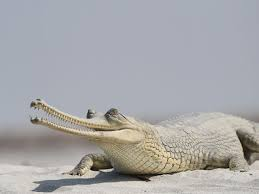
About Crocodiles
- Crocodiles are the largest surviving species of the vertebrate class Reptilia.
- Except for one saltwater species, they live mainly in freshwater swamps, lakes, and rivers.
- They are nocturnal and poikilothermic (regulate body temperature only to a limited degree).
- Major threats include habitat destruction, egg predation, illegal poaching, dam construction, and sand mining.
Three Crocodile Species in India
- Estuarine or Saltwater Crocodile (Crocodylus porosus)
- It is the largest living reptile on Earth.
- Found in only three locations in India: Bhitarkanika, Sundarbans, and Andaman and Nicobar Islands.
- IUCN: Least Concern | WPA 1972: Schedule I | CITES: Appendix I.
- Mugger or Marsh Crocodile (Crocodylus palustris)
- Characterised by broad snouts and the habit of digging burrows for nesting.
- Present in 15 Indian states, including much of the Ganga River drainage.
- IUCN: Vulnerable | WPA 1972: Schedule I | CITES: Appendix I.
- Gharial (Gavialis gangeticus)
- Named after the bulbous knob (ghara) at the tip of its long narrow snout.
- Primarily fish-eating and inhabits freshwater rivers: Chambal, Girwa, Ghagra, Son, and Gandak.
- IUCN: Critically Endangered | WPA 1972: Schedule I | CITES: Appendix I.
Conservation Status Summary
| Species | IUCN Status | WPA Schedule | CITES |
| Estuarine Crocodile | Least Concern | Schedule I | Appendix I |
| Mugger Crocodile | Vulnerable | Schedule I | Appendix I |
| Gharial | Critically Endangered | Schedule I | Appendix I |
Source: The Hindu
RBI’s Record Surplus Transfer to the Centre
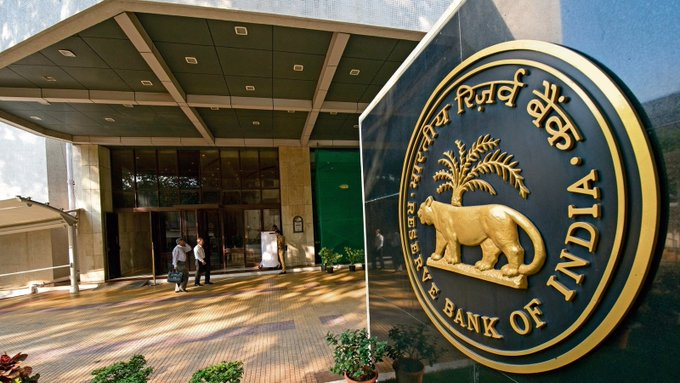
In News: The RBI approved a record surplus transfer of ₹2.87 lakh crore to the Union Government for FY26, the highest ever transfer by the central bank.
Structural Shift — Surplus Trend and ECF
- Surplus transfers have historically ranged between ₹30,000 crore to ₹65,000 crore in recent years.
- The tipping point came in 2019 with the implementation of the revised Economic Capital Framework (ECF).
- The RBI’s balance sheet grew by 20.6% in one year, reaching ₹91.97 lakh crore by March 2026.
- Gross income of RBI increased by over 26% during the same period.
- A significant portion of the surplus came from gains on foreign assets, foreign exchange transactions, and interest on securities holdings.
When a Stabilising Institution Becomes a Fiscal Instrument
- Unlike taxation or borrowing, central bank surplus transfers generate fiscal space without new taxes, borrowing, or economic growth.
- The latest transfer alone is larger than the annual budgets of several Indian states.
- The RBI’s reserve management decisions (gold sales, foreign currency holdings) now impact not just monetary stability but also fiscal outcomes.
Source: The Hindu
India-Russia RELOS Agreement
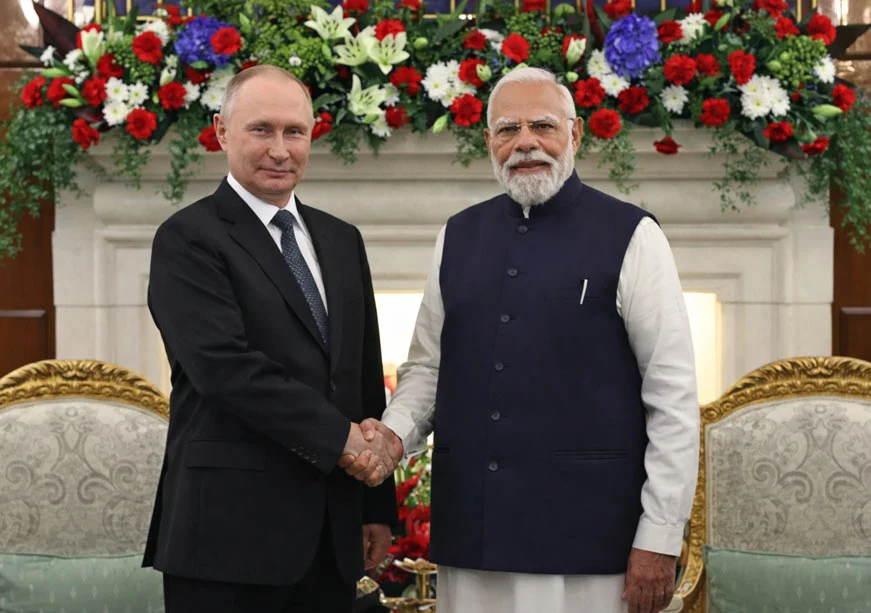
In News: The India-Russia Reciprocal Exchange of Logistics Agreement (RELOS) was operationalised in January 2026, after years of negotiations.
About Logistics Support Agreements (LSAs)
- An LSA is a foundational military cooperation agreement enabling reciprocal use of each other’s bases and ports for supplies, repair, and fuel.
- LSAs are used for joint exercises, training, port calls, and Humanitarian Assistance and Disaster Relief (HADR) situations.
- LSAs do not permit permanent basing of troops or military assets on each other’s territory.
India’s Existing Logistics Agreements
- India’s first LSA was LEMOA (Logistics Exchange Memorandum of Agreement) signed with the USA in 2016.
- India currently has LSAs with nine countries: USA, UK, France, Vietnam, Japan, Australia, Singapore, Russia, and one with Oman under an overarching defence cooperation agreement.
Key Provisions of RELOS
- It covers joint military exercises, training, HADR missions, port and repair services, medical support, and reciprocal access to military facilities including airbases and ports.
- It stipulates a maximum of 3,000 troops as a broad upper limit for mutually agreed engagements.
- The agreement is valid for five years, allowing revisions to reflect changing requirements.
- No permanent or long-term stationing of assets or personnel has been agreed upon.
Strategic Significance
- RELOS grants India access to Russian military facilities in the Arctic, as new navigation routes open due to global warming.
Source: The Hindu
Privileges Committee of Parliament
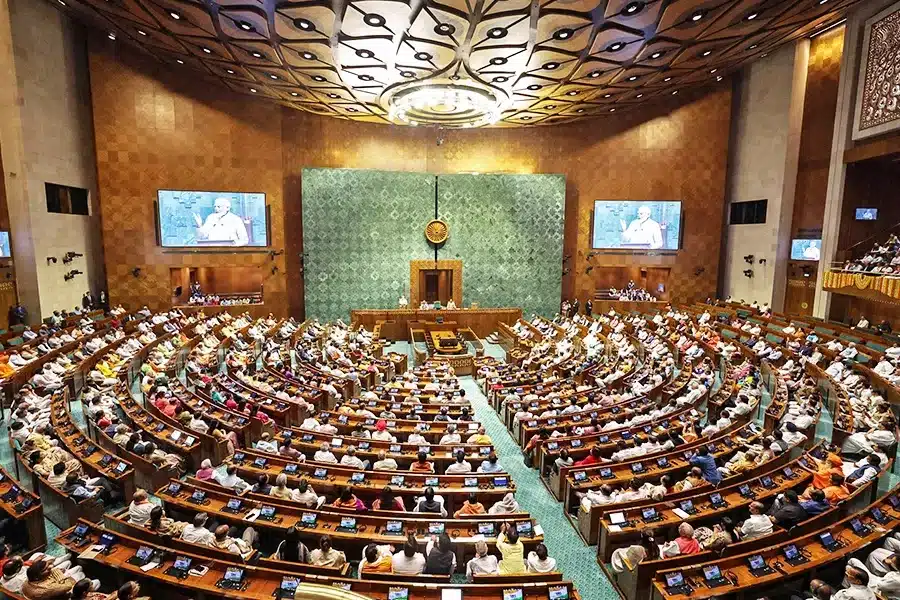
In News: Rajya Sabha Chairman C.P. Radhakrishnan referred a privilege notice against Leader of Opposition Mallikarjun Kharge to the Committee of Privileges under Rule 203 of the Rules of Procedure of Rajya Sabha.
About the Privileges Committee
- The Privileges Committee is a specialised standing committee of the legislature that functions as a quasi-judicial body.
- It safeguards the special rights and immunities of the House and its members to ensure they function without outside interference or fear.
- The concept is rooted in British Parliamentary conventions, originally developed to protect the House of Commons from the absolute power of the Monarch.
Constitutional Basis
- Article 105 defines powers, privileges, and immunities of Parliament (Lok Sabha and Rajya Sabha) and its members.
- Article 194 defines the same for State Legislatures (Assemblies and Councils) and their members.
Composition
- Lok Sabha: 15 members nominated by the Speaker.
- Rajya Sabha: 10 members nominated by the Chairman.
- State Legislatures: Typically 9 to 15 members.
- Rajya Sabha Deputy Chairman Harivansh currently chairs the Privileges Committee of Rajya Sabha.
Key Functions
- Examination: Investigates every question of breach of privilege referred by the House or Presiding Officer.
- Evidence Collection: Can summon individuals, record statements, and demand documents.
- Determination: Evaluates facts to decide if a breach of privilege or contempt has occurred.
Source: The Hindu
Foreign Currency Non-Resident Bank (FCNR-B) Deposits

In News: RBI temporarily withdrew the interest rate ceiling on fresh FCNR(B) deposits of 3 to 5 year tenors and NRE deposits of three years and above, effective till September 30, 2026, to boost forex reserves.
About FCNR(B) Deposits
- FCNR(B) are specialised fixed-term foreign currency accounts opened in India by NRIs, Overseas Citizens of India (OCIs), and Persons of Indian Origin (PIOs).
- Unlike standard NRI accounts, FCNR(B) deposits allow overseas Indians to retain savings in foreign currencies without converting to Indian Rupees.
- Eligible currencies include US Dollar, Pound Sterling, Euro, Japanese Yen, Australian Dollar, and Canadian Dollar.
Aim
- For Indian banks, FCNR(B) provides a stable, large-scale source of low-cost overseas funding to strengthen the capital account.
- For depositors, it offers tax-free returns in India without the risk of local currency depreciation.
How FCNR(B) Works — RBI Swap Mechanism
- The commercial bank sells foreign currency to the RBI at the FBIL Reference Rate in multiples of $1 million weekly.
- The bank simultaneously agrees to buy back the same amount at the end of the 3 to 5 year maturity period.
- The buyback occurs at par (same exchange rate), meaning the RBI absorbs the entire forward premium, eliminating the bank’s hedging costs.
Key Features
- Complete income tax exemption on interest earned, provided the account holder maintains legal non-resident status.
- Fresh deposits under this window are exempt from both CRR and SLR requirements, maximising lending margins.
- Interest rates are 250 to 300 basis points lower than domestic rupee fixed deposits, currently hovering around 3% to 3.65%.
Source: The Hindu
Compressed Biogas (CBG) — India’s 3% Blending Target
In News
- India is on track to meet the 3% CBG blending goal for FY27, with blending levels having nearly doubled to approximately 2% at present.
- CBG sales stood at approximately 0.66 MMSCMD in April and 0.63 MMSCMD in May 2026.
- India’s present natural gas consumption for domestic PNG and CNG combined is about 34 to 35 MMSCMD.
- As per the Gobardhan portal, 324 CBG plants are under construction while 1,261 plants are yet to begin construction.
About CBG
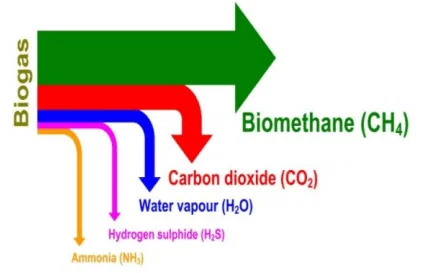
- Biogas is a biofuel produced through anaerobic digestion of organic matter, then purified to remove hydrogen sulfide (H2S), carbon dioxide (CO2), and water vapour, and compressed into CBG.
- CBG has a methane (CH4) content of more than 90% and a calorific value similar to CNG, making it a viable CNG replacement.
- Biofuels are fuels derived from biomass or organic matter, emitting less CO2 than conventional fuels.
CNG and PNG
- CNG is natural gas compressed to 200 to 250 kg/cm², used as a vehicular fuel.
- PNG is natural gas distributed through pipelines with safety valves for domestic cooking and heating applications.
Advantages and Opportunities
- CBG supports circular economy, net zero emissions by 2070, environmental protection, and forex savings.
- For every tonne of CBG produced, approximately 0.5 tonnes of CO2 is also generated, which can be captured for high-end applications.
- Fermented Organic Manure (FOM), a byproduct of CBG production, can be enriched with nitrogen and potassium to meet chemical fertiliser standards.
- CBG production relies on five main feedstocks: animal waste, agricultural residue, press mud, municipal organic waste, and Napier grass.
Source: The Hindu
