
Delimitation Commission
Basic Concept
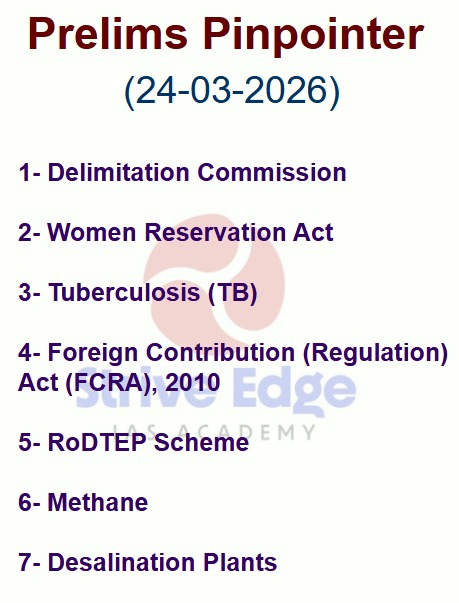
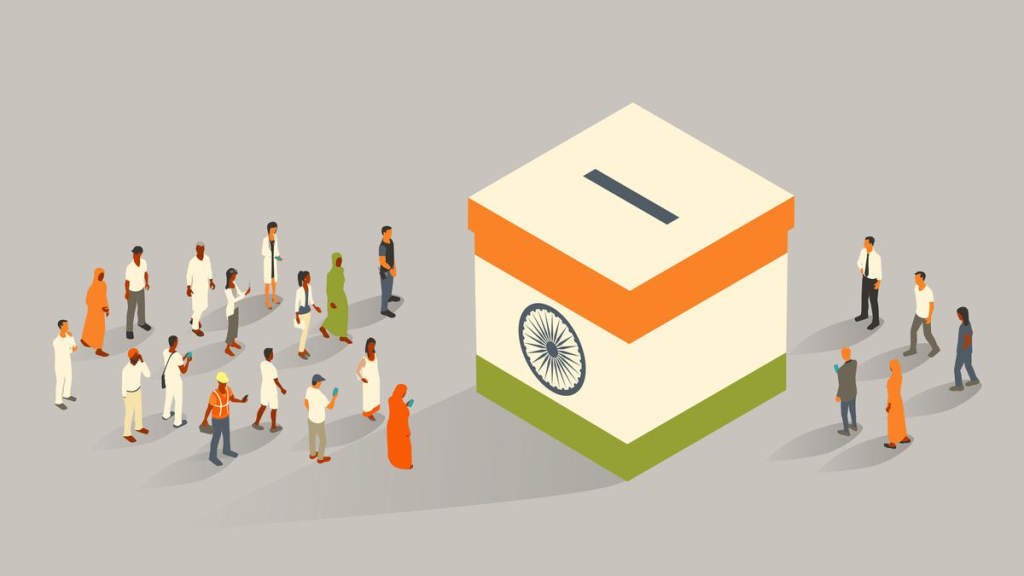
- Delimitation Commission is a statutory and quasi-judicial body for redrawing electoral constituencies.
- It ensures equal population representation in Lok Sabha and State Assembly constituencies.
- Its orders have force of law and cannot be challenged in any court.
- Constitutional Provisions
- Article 82: Parliament enacts Delimitation Act after every Census.
- Article 170: Provides for readjustment of State Assembly seats after Census.
- Articles 330 & 332: Provide reservation of seats for SCs and STs.
- Article 327: Empowers Parliament to make laws related to elections.
- Article 329(a): Bars judicial challenge to delimitation orders.
- Constitutional Amendments
- 42nd Amendment (1976) froze seats until 2001 to promote population control.
- 84th Amendment (2002) extended freeze till 2026 with limited internal adjustments.
- 87th Amendment (2003) used 2001 Census for SC/ST seat allocation.
- Composition
- Chairperson is a retired Supreme Court judge, ensuring legal neutrality.
- Members include Chief Election Commissioner and State Election Commissioners.
- Associate members (MPs/MLAs) participate in discussions but have no voting powers.
Delimitation Acts in India
- Delimitation Act 1952: Based on 1951 Census, created first constituencies.
- Delimitation Act 1962: Based on 1961 Census, revised boundaries and reservations.
- Delimitation Act 1972: Based on 1971 Census, later followed by seat freeze.
- Delimitation Act 2002: Based on 2001 Census, updated boundaries without changing total seats.
Criteria for Delimitation
- Ensures population equality across constituencies.
- Maintains geographical compactness and contiguity of areas.
- Considers natural features like rivers and hills while drawing boundaries.
- Avoids unnecessary division of administrative units like districts and tehsils.
- Allocates seats for SC/ST based on their population proportion.
Women Reservation Act
Basic Provision
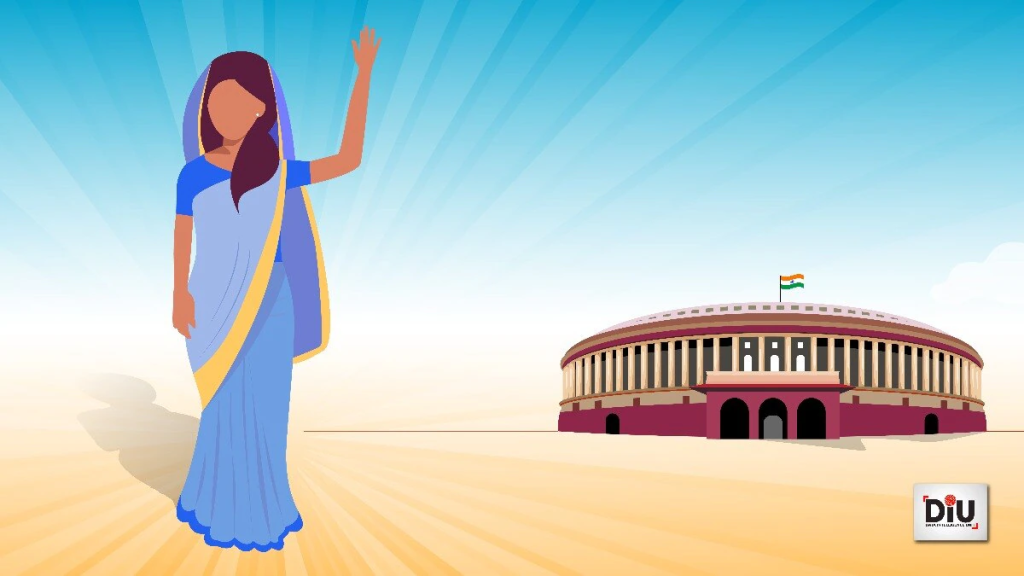
- Women Reservation Act (Nari Shakti Vandan Act) provides for insertion of Article 330A in the Constitution.
- It reserves one-third of total seats for women in Lok Sabha and State Legislative Assemblies.
- Reservation will be implemented on a rotational basis across constituencies.
- The Act was passed with overwhelming majority (454 votes in favour, 2 against).
Key Features
- Scope of Reservation
- Applies to Lok Sabha, State Assemblies, and Legislative Assembly of NCT of Delhi.
- Does not apply to Rajya Sabha, where representation remains unaffected.
- Special Provisions
- Inserts Article 239AA (b) to provide one-third reservation for women in Delhi Assembly.
- Provides for sub-reservation within quota for SCs, STs, and other categories as applicable.
- Implementation Mechanism
- Reservation will come into effect only after next Census and subsequent delimitation exercise.
- Delimitation Commission will identify and allocate seats reserved for women.
- Delimitation refers to redrawing of constituency boundaries based on population changes.
- Duration & Rotation
- Reservation will be in force for 15 years from commencement, or as decided by Parliament.
- Reserved seats will be rotated after each delimitation exercise.
Tuberculosis (TB)
Context: World TB Day 2025 theme: “Yes, We Can End TB: Commit, Invest, and Deliver”.
About Tuberculosis (TB)
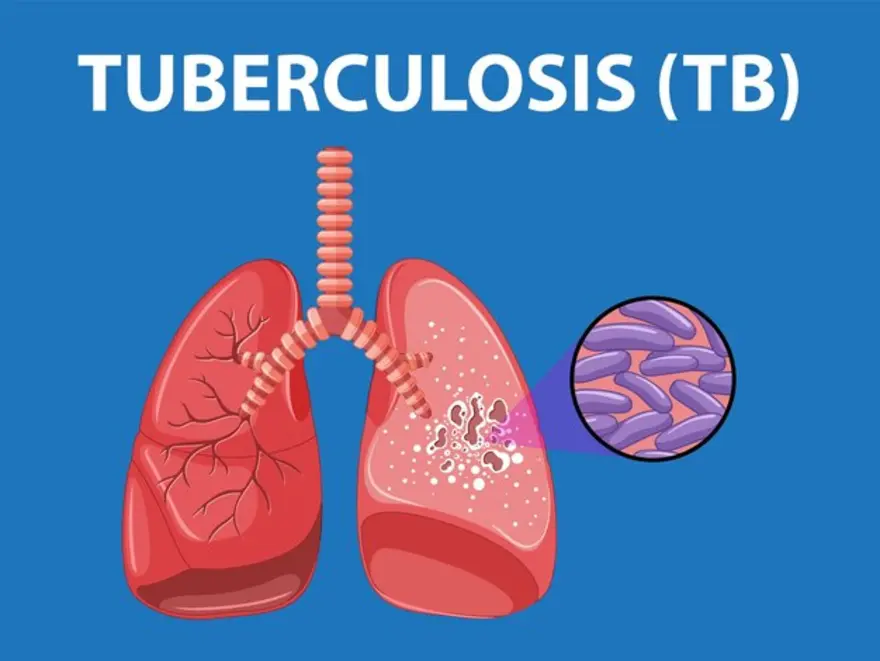
- Tuberculosis (TB) is a bacterial disease caused by Mycobacterium tuberculosis.
- Primarily affects lungs, but can also involve bones, glands, abdomen, and nervous system.
- Spreads through airborne droplets released during coughing or sneezing by infected person.
- Types of TB
- Pulmonary TB affects lungs and is most infectious form with visible symptoms.
- Latent TB has no symptoms and is non-infectious, as bacteria remain inactive.
- Active TB occurs when immune system fails, making disease symptomatic and infectious.
- Symptoms
- Persistent cough for more than three weeks, sometimes with blood.
- Weight loss, fever, night sweats, fatigue, and loss of appetite.
- May include chest pain and swollen lymph nodes in advanced cases.
- Treatment & Prevention
- TB is curable with antibiotics, usually requiring treatment for 6 to 18 months.
- Standard treatment includes 2-month intensive phase and 4-month continuation phase.
- First-line drugs include Isoniazid, Rifampicin, Pyrazinamide, and Ethambutol.
- BCG vaccine provides protection, especially against severe TB in children.
Drug-Resistant TB
- MDR-TB (Multidrug-Resistant TB)
- Resistant to Isoniazid and Rifampicin, the most effective anti-TB drugs.
- Diagnosed using CBNAAT test for early detection.
- Caused by improper treatment, incomplete drug use, or transmission.
- XDR-TB (Extensively Drug-Resistant TB)
- Resistant to first-line drugs plus fluoroquinolones and injectable second-line drugs.
- Requires longer, complex, and expensive treatment with lower success rates.
New Treatment Regimen (BPaLM)
- Consists of Bedaquiline, Pretomanid, Linezolid, and Moxifloxacin drugs.
- Provides shorter, safer, and more effective treatment for drug-resistant TB.
- Reduces treatment duration to 6 months compared to traditional 20 months.
Foreign Contribution (Regulation) Act (FCRA), 2010
Context: Government proposes FCRA Amendment Bill, 2026 to strengthen regulation, asset control, and accountability of NGOs.
Overview
- FCRA, 2010 regulates acceptance and utilisation of foreign contributions by individuals and organisations in India.
- Aims to ensure foreign funds are used for intended purposes without affecting national interest.
- Administered by Ministry of Home Affairs (MHA).
Key Features of FCRA
- Mandatory registration required for NGOs to receive foreign funds, valid for five years.
- Funds must be received in designated SBI account in New Delhi.
- Prohibits transfer of foreign funds to unregistered persons or organisations.
- Certain entities like political parties, judges, journalists, and government servants are barred from receiving funds.
- Registration can be cancelled for misuse of funds, false information, or inactivity for two years.
- Contributions from relatives up to ₹10 lakh allowed without prior intimation, beyond which reporting is required.
RoDTEP Scheme
About RoDTEP Scheme
- Remission of Duties and Taxes on Exported Products (RoDTEP) Scheme reimburses exporters for taxes and duties not refunded under any other mechanism.
- Introduced under Foreign Trade Policy 2015–20 amendment, effective from January 1, 2021.
- Aims to remove embedded taxes in export products, making Indian goods globally competitive.
Objective
- Ensures exporters are compensated for hidden taxes and levies at central, state, and local levels.
- Promotes exports by reducing cost burden and improving price competitiveness in global markets.
- Designed to be WTO-compliant, avoiding disputes related to export subsidies.
Key Features
- Replaces Merchandise Export Incentive Scheme (MEIS) after WTO challenge by the United States.
- Implemented through end-to-end digital platform for transparency and efficiency.
- Administered by Department of Revenue, Ministry of Finance.
- Covers taxes across entire value chain, including indirect taxes in production and distribution.
Eligibility Criteria
- Applicable to all export sectors, with priority to labour-intensive sectors.
- Both manufacturer exporters and merchant exporters are eligible for benefits.
- No minimum turnover requirement for availing scheme benefits.
- Applicable only to products with India as country of origin.
- Includes exports from SEZs, EOUs, and e-commerce shipments via courier.
- Re-exported goods are not eligible under the scheme.
Mechanism of Refund
- Rebate is provided as a percentage of FOB (Free on Board) value of exports.
- Issued as transferable e-scrips in electronic credit ledger maintained by CBIC.
- e-scrips can be used to pay basic customs duty on imports or transferred to other importers.
Digital & Monitoring Mechanism
- Scheme operates through IT-based system ensuring faster processing and reduced delays.
- Includes risk management and audit mechanism for verification of exporters’ claims.
Methane
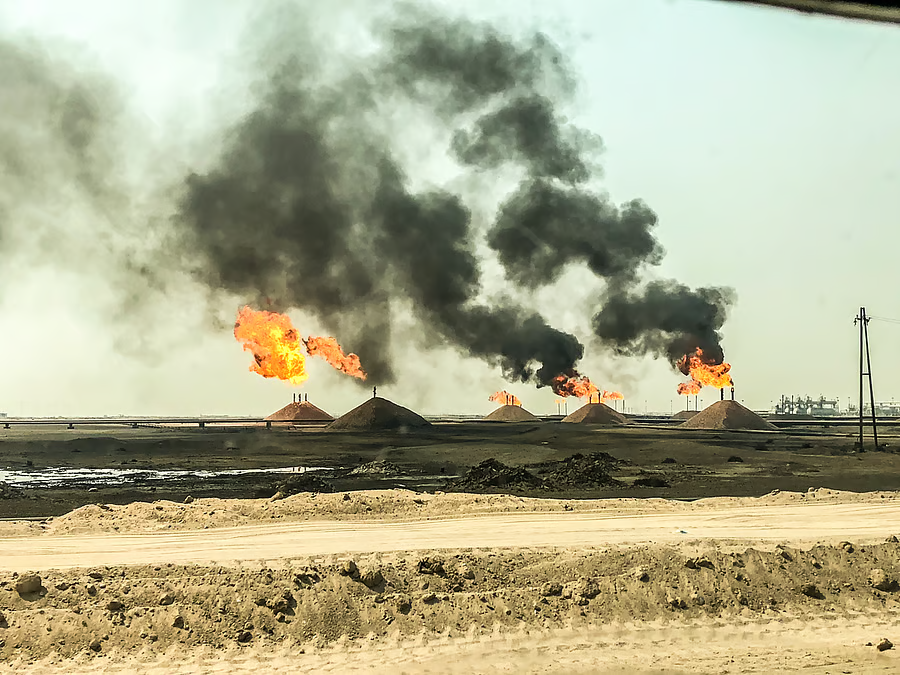
Context: Satellite data shows Turkmenistan hosts many of world’s largest methane emission sites from oil and gas sector.
Basic Facts
- Methane (CH₄) is a potent greenhouse gas and major contributor to global warming.
- It accounts for about 30% of global temperature rise since the Industrial Revolution.
- Atmospheric concentration is around 2.5 times higher than pre-industrial levels.
- Sources
- Major anthropogenic sources include agriculture, energy sector, and waste management activities.
- It is the primary component of natural gas and released during fossil fuel extraction.
Key Characteristics
- Methane is a colourless, odourless, and highly flammable gas, also called marsh gas.
- It remains in atmosphere for about 12 years, shorter than carbon dioxide.
- However, it has much higher heat-trapping capacity in short term compared to CO₂.
Global Warming Potential
- Methane is about 86 times more effective than CO₂ at trapping heat over 20 years.
- Over longer period, it contributes around 28 times more warming per unit mass than CO₂.
- Plays a major role in short-term climate change and rapid temperature rise.
Desalination Plants
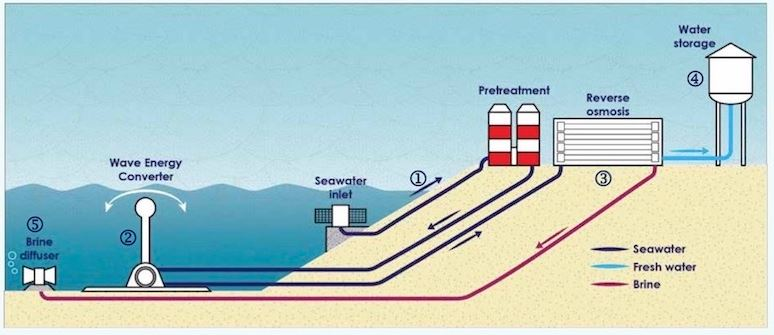
About
- Desalination plants convert saline seawater or brackish water into potable freshwater.
- They remove dissolved salts and minerals, making water suitable for drinking and domestic use.
- Most common method used is Reverse Osmosis (RO) technology.
- Technology Used
- Reverse Osmosis (RO) uses high pressure to push water through semi-permeable membranes.
- Membranes allow water to pass while retaining salts and impurities.
- Process is energy-intensive, often linked with thermal or gas-based power systems.
Global Distribution
- Concentrated in arid coastal regions with limited freshwater availability.
- Major regions include West Asia (Gulf countries), North Africa, Israel, Spain, Australia, USA, and China.
- West Asia accounts for around 70% of global desalination capacity.
Key Features
- Often developed as large-scale infrastructure, sometimes co-located with power plants.
- Produces brine (concentrated saltwater) as by-product, discharged into oceans.
- Global sector includes over 21,000 plants, with rapid annual growth.
