
Prelims Pinpointer Key Highlights
Scheduled Caste Status
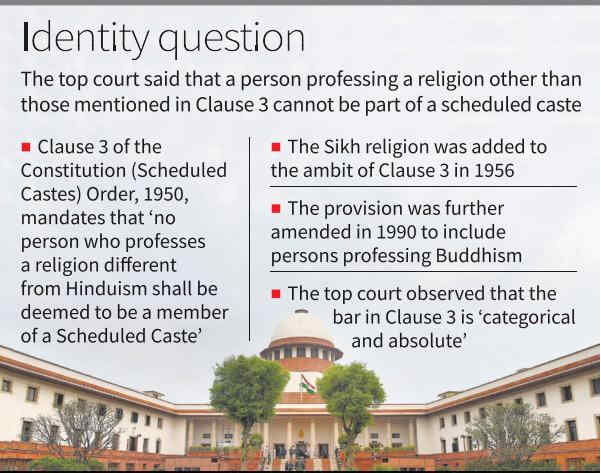
Context: Supreme Court held that conversion to other religions leads to loss of Scheduled Caste (SC) status.
Constitutional Basis & Legal Provision
- Based on Constitution (Scheduled Castes) Order, 1950, especially Clause 3.
- SC status is limited to persons following Hinduism, Sikhism, or Buddhism.
- Sikhs were included in 1956 and Buddhists in 1990 through amendments.
- Key Judgment & Interpretation
- If a person converts to any other religion, SC status is lost immediately, even if born in SC family.
- The word “profess” means openly following and practicing a religion in public life.
- One cannot follow another religion and still claim SC benefits at the same time.
- Further, protection under SC/ST (Prevention of Atrocities) Act, 1989 will also not apply.
- However, Scheduled Tribes (STs) do not face such religion-based restrictions.
Re-conversion Conditions
- Person must clearly prove original caste identity with proper evidence.
- Must show genuine return to Hinduism, Sikhism, or Buddhism.
- Acceptance by original caste community is necessary after reconversion.
- Person must follow customs and practices of that caste in real life.
Kakori Train Action (1925)
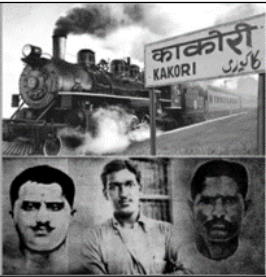
Context: Statues of Kakori train action martyrs were demolished using bulldozer allegedly during road construction work in Shahjahanpur, Uttar Pradesh, sparking outrage with Opposition parties demanding action against those responsible.
About
- Kakori Train Action took place on 9 August 1925 near Kakori, close to Lucknow in present-day Uttar Pradesh.
- Revolutionaries targeted a British government treasury being transported by train to fund their activities.
- The incident involved Number 8 Down train running between Shahjahanpur and Lucknow.
- It was one of the earliest well-planned revolutionary actions against colonial rule in India.
Background
- After the Jallianwala Bagh massacre (1919), anger against British rule intensified among Indian youth.
- Suspension of the Non-Cooperation Movement (1922) created frustration among radical nationalists.
- Revolutionaries formed the Hindustan Republican Association (HRA) in 1924 to organise armed resistance.
- The organisation aimed to collect funds by targeting British government resources, especially railway treasuries.
Key Personalities
- Ram Prasad Bismil was the main leader and planner of the Kakori action.
- Ashfaqullah Khan played a crucial role and symbolised Hindu-Muslim unity in the freedom struggle.
- Other participants included Rajendra Lahiri, Keshav Chakraborty, Mukundi Lal, and Banwari Lal.
- Chandrashekhar Azad was associated with HRA and helped in planning, though he escaped arrest later.
British Response
- The British government launched a widespread crackdown, arresting most of the revolutionaries involved.
- Seventeen revolutionaries were imprisoned, while several others received harsh punishments.
- Four leaders Bismil, Ashfaqullah Khan, Rajendra Lahiri, and Roshan Singh were executed.
- The incident dealt a temporary setback to revolutionary activities, weakening the HRA network.
Recusal of Judges

Meaning of Recusal of Judges
- Recusal means a judge voluntarily withdrawing from a case due to possible conflict of interest.
- It ensures that judicial decisions remain fair, impartial, and free from bias.
- Based on principle “nemo judex in sua causa”, meaning no one should judge their own case.
- Also guided by idea that justice must not only be done, but also be seen to be done.
When Recusal Occurs
- When a judge has financial interest, such as shares in a company involved in case.
- When there is personal or prior association with any party in the dispute.
- When a judge hears an appeal in Supreme Court against his/her own earlier High Court judgment.
- When there is a reasonable perception of bias in the mind of the affected party.
Process of Recusal
- Decision to recuse is usually taken by judge himself based on personal conscience and discretion.
- Sometimes, lawyers or parties request recusal citing possible conflict of interest.
- There are no formal codified rules, but guided by judicial precedents and ethics.
- Judges take oath to act without fear, favour, affection, or ill-will, guiding recusal decisions.
Judges Refusal to Recuse
- Final decision to recuse or not rests solely with the concerned judge.
- Judges may refuse if they believe no real bias or conflict exists in the case.
- Refusal is also based on principle that unnecessary recusals may delay justice delivery.
- Recording Reasons for Recusal
- Judges may record reasons for recusal, though not mandatory due to lack of formal rules.
- Reasons can be stated in open court or inferred from circumstances of the case.
- Transparency helps maintain public trust in judicial process and fairness.
- However, sometimes judges avoid detailed disclosure to protect institutional integrity.
Judicial Principles & Case Laws
- In Ranjit Thakur v Union of India, SC held bias depends on reasonable apprehension of party.
- Court emphasised that perception of bias must be viewed from standpoint of affected party.
- In Supreme Court Advocates-on-Record Association case, pecuniary interest mandates recusal.
- Even slight financial interest can automatically disqualify a judge from hearing the case.
Biopharma SHAKTI

About the Initiative
- Biopharma SHAKTI (Strategy for Healthcare Advancement through Knowledge, Technology & Innovation) is a government initiative aims to make India a global hub for biopharmaceutical manufacturing and innovation.
- It focuses on strengthening domestic production of biologics and biosimilars.
- The initiative seeks to build a robust ecosystem for advanced healthcare technologies and therapies.
Key Features
- Establishment of 3 new NIPERs and upgradation of 7 existing institutes for biopharma focus.
- Creation of network of over 1000 accredited clinical trial sites across India.
- Development of biopharma innovation and manufacturing infrastructure at national level.
- Encourages research, industry collaboration, and skill development in pharmaceutical sector.
Financial Outlay & Duration
- Total outlay of ₹10,000 crore allocated for implementation of the initiative.
- Programme duration is five years, focusing on long-term capacity building.
- Investment aims to boost advanced manufacturing and research capabilities.
- Expected to attract private investments and global partnerships in biopharma sector.
Objectives & Significance
- Promotes self-reliance in high-value medicines, reducing import dependence.
- Addresses rising burden of non-communicable diseases like diabetes, cancer, and autoimmune disorders.
- Enhances India’s position in next-generation therapies and global healthcare supply chains.
- Improves accessibility and affordability of advanced medicines for Indian population.
Biologics
- Biologics are complex medicines derived from living organisms or biological processes.
- Used in treatment of chronic and advanced diseases like cancer and autoimmune disorders.
- Manufacturing is complex, limiting availability mainly to high-income countries traditionally.
- Require specialised infrastructure and advanced biotechnology processes.
Biosimilars
- Biosimilars are highly similar versions of existing biologic medicines.
- Developed through rigorous analytical, preclinical, and clinical testing for equivalence.
- Provide cost-effective alternatives while maintaining safety and effectiveness.
- Help increase competition and reduce overall cost of biologic treatments.
Cervical Cancer
About The Disease
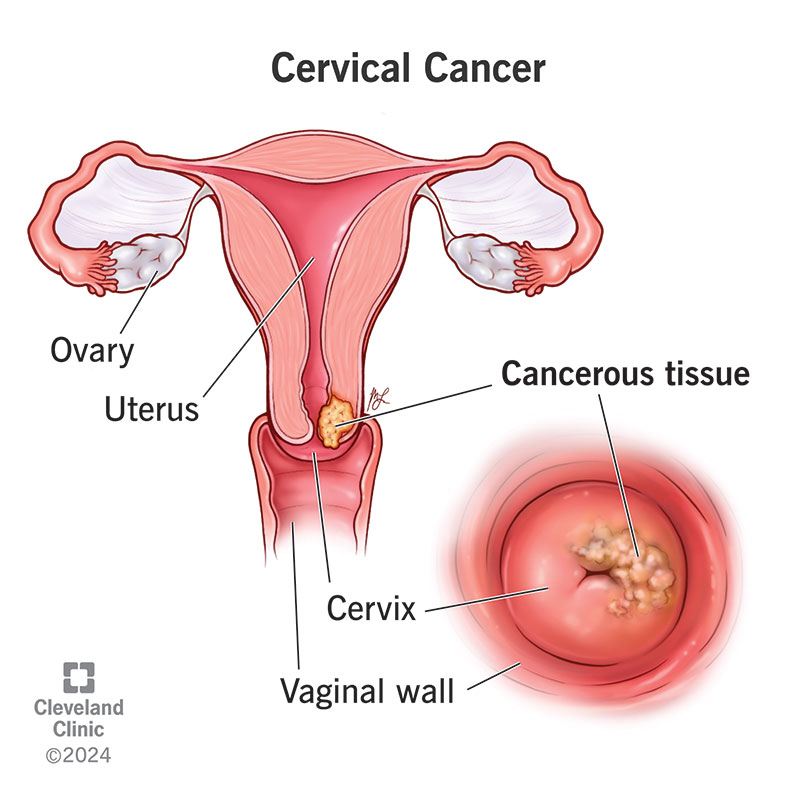
- Cervical cancer begins in the cells of the cervix, the lower narrow part of the uterus.
- It usually develops slowly over several years, starting from abnormal cell changes.
- In early stages, symptoms may not appear, which makes regular screening very important.
- If detected early, it is highly preventable and treatable.
Causes and Role of HPV
- The main cause is Human Papillomavirus (HPV), a common sexually transmitted infection.
- HPV can affect skin, genital areas, and even the throat, often without noticeable symptoms.
- In most people, the immune system clears the virus naturally, without causing harm.
- However, in some cases, the virus persists and leads to cancerous changes in cervical cells.
- Around 14 types of HPV are cancer-causing, with types 16 and 18 responsible for about 70% cases globally.
HPV Vaccines
- Vaccines are designed to protect against high-risk HPV types before infection occurs.
- Quadrivalent vaccine (Gardasil) protects against four HPV types (16, 18, 6, 11).
- Bivalent vaccine (Cervarix) targets the two most cancer-causing types (16 and 18).
- Non-valent vaccine (Gardasil 9) offers broader protection against nine HPV types.
- India has developed Cervavac, a more affordable indigenous vaccine for wider public use.
- How the Vaccine Helps
- The vaccine works by preventing the virus from entering the body and infecting cells.
- It is most effective when given before exposure to HPV, usually before sexual activity begins.
- By stopping infection early, it helps prevent cervical cancer as well as genital warts.
- It plays a major role in reducing long-term disease burden and treatment costs.
Prevention and Screening
- Vaccination between 9–14 years of age is considered the most effective preventive measure.
- Regular screening from around 30 years of age helps detect early-stage disease.
- Early treatment of abnormal cells can completely prevent development of cancer.
- Awareness, access to healthcare, and timely vaccination are key to controlling cervical cancer.
Parkinson’s Disease
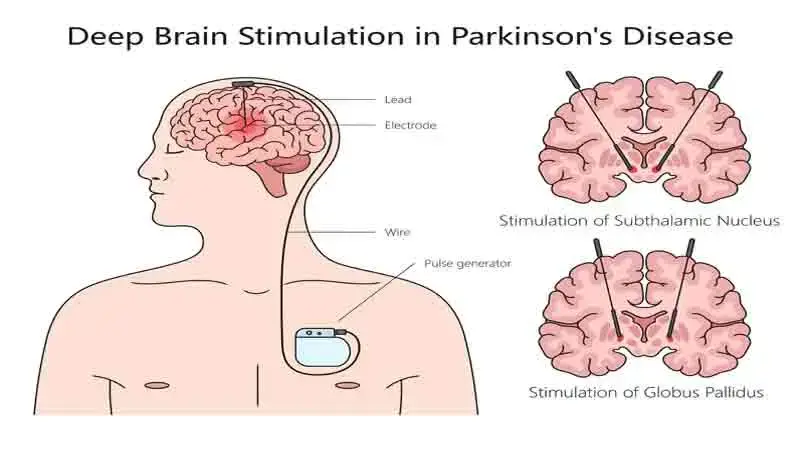
Basic Understanding
- Parkinson’s disease is a progressive neurological disorder that mainly affects body movement and coordination.
- It develops gradually and can lead to reduced mobility and, in advanced stages, cognitive decline.
- The disease is more common in older individuals, though younger people can also be affected.
- Men are more frequently affected than women.
- Globally, cases have increased significantly in last 25 years, with India contributing nearly 10% burden.
Causes & Mechanism
- Exact cause is not fully known, but involves both genetic and environmental factors.
- It is mainly due to loss of dopamine-producing neurons in the brain.
- Dopamine is important for smooth and coordinated muscle movements.
- Reduction in dopamine leads to motor as well as non-motor symptoms over time.
Symptoms
- Motor symptoms include tremors, slow movement (bradykinesia), muscle rigidity, and difficulty in walking.
- Patients may experience postural instability and balance problems as disease progresses.
- Non-motor symptoms include memory issues, depression, anxiety, and sleep disturbances.
- Other symptoms may include pain, fatigue, and sensory problems affecting daily life.
Treatment & Management
- There is no complete cure, but treatment helps in managing symptoms effectively.
- Levodopa/carbidopa is the most commonly used medicine to increase dopamine levels.
- Other approaches include surgery, physiotherapy, and rehabilitation support.
- Early diagnosis and continuous care help improve quality of life of patients.
Hudsonian Godwit
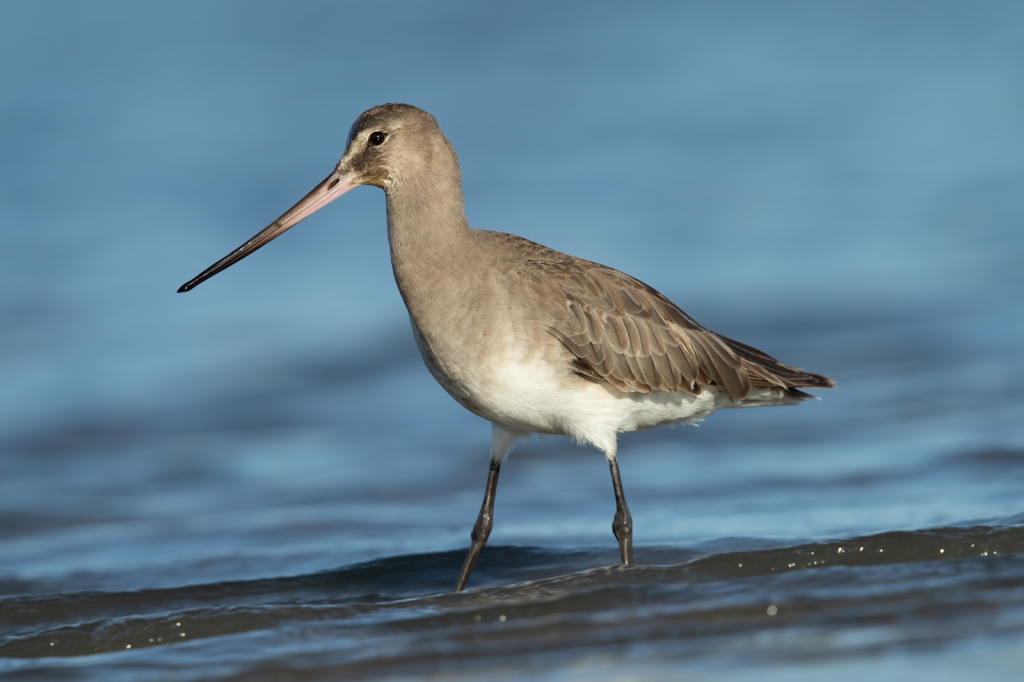
Context: Population of Hudsonian Godwit has declined by nearly 95% in last four decades, raising serious conservation concerns.
Basic Understanding
- Hudsonian Godwit is a large migratory shorebird belonging to the sandpiper family Scolopacidae.
- Scientifically known as Limosa haemastica, it is famous for its extraordinary long-distance migration.
- Considered one of the world’s most remarkable avian travellers due to its endurance and navigation ability.
Habitat & Distribution
- Breeds in wetland ecosystems like sedge meadows and muskeg in sub-Arctic and Boreal regions.
- Found across North America during breeding season and migrates to South America.
- Spends non-breeding period in southern regions like Patagonia.
- Depends heavily on coastal wetlands and shallow water ecosystems during migration.
Unique Features
- Has long legs and slightly upturned bill, adapted for feeding in shallow waters.
- Shows distinct breeding plumage of gold, brown and reddish tones, turning grey-brown later.
- Can fly nearly 11,000 km non-stop without food, water or rest, a rare biological feat.
- Feeds mainly on insects and crustaceans by probing into soft mud or shallow water.
Threats
- Habitat loss due to wetland degradation is a major concern across its migratory route.
- Climate change affects breeding grounds and food availability in Arctic regions.
- Being a long-distance migrant, it faces multiple threats across different countries and ecosystems.
Conservation Status
- Listed as Vulnerable in IUCN Red List, indicating high risk of population decline.
- Sharp population decline highlights importance of international conservation cooperation.
