

WHO Model List of Essential Medicines (EML): UPSC Prelims Notes

In News: India’s National List of Essential Medicines (NLEM) Awaits Revision
- India’s National List of Essential Medicines has remained unrevised since 2022 despite two WHO revisions.
- Civil society groups demanded an urgent revision to improve affordable access to essential medicines.
About the WHO Model List of Essential Medicines (EML)
- The WHO Model List identifies medicines meeting the priority healthcare needs of populations. The WHO Expert Committee first published the list in 1977.
- The Essential Medicines List is revised every two years.
- The EML for Children was introduced separately in 2007.
- The WHO Model List aims to improve medicine accessibility and support universal health coverage.
Key Features of the WHO Model List of Essential Medicines (EML)
- Evidence Based: Medicines are selected using proven efficacy, safety and cost-effectiveness criteria.
- Global Benchmark: More than 150 countries use the list while preparing national essential medicines lists.
- Dynamic List: The list is updated biennially according to scientific evidence and emerging therapeutic needs.
- Affordable Access: The list promotes bulk procurement and generic medicine production to reduce medicine prices.
Significance of the WHO Model List of Essential Medicines (EML)
- Public Health: It guides countries in prioritising medicines required for essential healthcare services.
- Policy Framework: It supports governments while preparing and revising national essential medicines lists.
- Affordable Medicines: It strengthens access to quality medicines through rational procurement and pricing mechanisms.
- Healthcare Equity: It advances universal health coverage by improving availability of essential medicines.
Source: The Hindu
Unlawful Activities (Prevention) Act (UAPA), 1967: UPSC Prelims Notes

In News: Centre Designates 23 Individuals as Terrorists under UAPA
- The Ministry of Home Affairs designated 23 individuals as terrorists under the UAPA provisions. Among the designated terrorists, 17 are Pakistani nationals and six are Indian nationals operating from Pakistan.
About the Unlawful Activities (Prevention) Act (UAPA), 1967
- The UAPA Act was enacted in 1967 to prevent unlawful activities and associations in India.
- Unlawful Activity includes actions threatening India’s sovereignty and territorial integrity.
- The Central Government may declare any activity unlawful through an Official Gazette notification.
- The UAPA Act applies equally to Indian and foreign nationals. Also, the Act also applies when offences are committed outside India’s territory.
- The highest punishment under UAPA includes death penalty and life imprisonment.
Key Provisions of the Unlawful Activities (Prevention) Act (UAPA)
- Charge Sheet: Investigating agencies may file charge sheets within 180 days after arrest, subject to court-approved extension.
- Individual Designation: The Central Government can designate individuals as terrorists under specified statutory grounds.
- Property Attachment: The Director General of NIA may approve seizure or attachment of property in NIA cases.
- Investigation Powers: NIA Inspectors and above can investigate terrorism cases under the Act.
- Wide Applicability: The Act covers both domestic offences and offences committed beyond Indian territory.
Important Amendments to the Unlawful Activities (Prevention) Act (UAPA)
- 2004 Amendment: Introduced terrorist acts as offences and enabled banning organisations involved in terrorism.
- Scope Expansion: Before 2004, unlawful activities mainly referred to secession and cession of territory.
- 2019 Amendment: Empowered the Central Government to designate individuals as terrorists.
- Enhanced Powers: The amendment strengthened NIA’s authority regarding investigation and property attachment in terrorism-related cases.
Source: The Hindu
IT (Intermediary Guidelines and Digital Media Ethics Code) Rules, 2021: UPSC Prelims Notes

In News: Government Directs Telegram to Strengthen Anti-Piracy Measures
- The Information Ministry directed Telegram to proactively detect and remove pirated content from its platform.
- The Government Notice emphasised stronger platform accountability instead of relying only on individual takedown requests.
About the IT (Intermediary Guidelines and Digital Media Ethics Code) Rules, 2021
- The IT Rules were notified by the Ministry of Electronics and Information Technology in February 2021.
- The IT Rules prescribe due diligence obligations for intermediaries, including social media platforms.
- The IT Rules establish a grievance redressal mechanism for users and victims.
- The Digital Media Code of Ethics regulates publishers of online curated content and digital news.
Key Provisions of the IT Rules, 2021
- Due Diligence: Intermediaries must publish user rules, privacy policy and user agreements on their platforms.
- Prohibited Content: Users cannot upload content violating copyright, trademark, patent or other proprietary rights.
- User Awareness: Intermediaries must inform users annually about platform rules and policy changes.
- Grievance Officer: Complaints must be acknowledged within 24 hours and resolved within fifteen days.
- Originator Identification: Messaging SSMIs must identify the first originator of information within India when legally required.
- User Protection: Platforms must remove specified objectionable content within 24 hours after receiving valid complaints.
- Oversight Mechanism: The Information Ministry establishes an Inter-Departmental Committee for hearing grievances.
Significant Social Media Intermediaries (SSMIs) under the IT Rules, 2021
- Definition: SSMIs are intermediaries crossing the government-notified threshold of registered users.
- Chief Compliance Officer: Every SSMI must appoint an officer responsible for compliance with the IT Act.
- Nodal Contact: Every SSMI must appoint a 24×7 contact person for coordination with law enforcement agencies.
- Additional Obligations: SSMIs must comply with enhanced due diligence requirements under the IT Rules.
About Digital Publisher Content Grievances Council (DPCGC)
- The DPCGC is an officially recognised independent self-regulatory body for online curated content providers. It was established under the Internet and Mobile Association of India in June 2021.
- The council seeks to balance grievance redressal with freedom of expression for digital content publishers.
- The DPCGC functions in accordance with the IT Rules, 2021 and related statutory guidelines.
Source: The Hindu
Rim of the Pacific (RIMPAC) Exercise: UPSC Prelims Notes

In News: Indian Navy Participates in the RIMPAC Exercise
- The Indian Navy’s P-8I maritime patrol aircraft participated in the RIMPAC Exercise held in Hawaii.
- India’s RIMPAC participation reinforces commitment to a free, open and inclusive Indo-Pacific.
About the Rim of the Pacific (RIMPAC) Exercise
- The RIMPAC Exercise is the world’s largest international maritime exercise.
- The Exercise is hosted in Hawaii by the United States Navy.
- It aims to enhance interoperability among friendly foreign navies.
- The United States Navy leads the multi-dimensional RIMPAC Exercise.
Key Features of the Rim of the Pacific (RIMPAC) Exercise
- Participation: Around 29 countries are participating in the current edition of the exercise.
- Scale: The exercise involves 30 surface ships, five submarines, over 206 aircraft and 30,000 personnel.
- Duration: The current edition is being conducted from June 24 to July 31.
- Training Platform: The exercise provides realistic multinational maritime training opportunities for participating navies.
- Interoperability: The exercise strengthens operational coordination and mutual trust among partner navies.
Significance of the Rim of the Pacific (RIMPAC) Exercise
- Maritime Security: The exercise promotes safety of sea lanes and security of the world’s oceans.
- Naval Cooperation: It fosters long-term cooperative relationships among participating maritime forces.
- Operational Readiness: It improves interoperability and maritime domain awareness among partner navies.
- Indo-Pacific Vision: India’s participation supports a free, open and inclusive Indo-Pacific region.
Source: The Hindu
Onion Price Stabilisation Buffer: UPSC Prelims Notes

In News: Centre Raises Onion Procurement Price for the Price Stabilisation Buffer
- The Union Government increased onion procurement price by 13% for the Price Stabilisation Buffer. The revised price has been fixed at ₹2,125 per quintal with effect from July 2026.
Price Stabilisation Buffer: Objectives and Key Features
- Objective: The buffer ensures better returns for farmers while stabilising onion prices during market fluctuations.
- Procurement Agencies: NAFED and NCCF procure onions from major producing States for the buffer.
- Price Stability: Buffer stocks help manage seasonal price volatility and ensure adequate market supplies.
- Production Outlook: Onion production for 2025-26 is estimated at 307.37 lakh metric tonnes.
- Market Availability: The government expects daily onion arrivals to remain above 50,000 metric tonnes.
- Seasonal Factors: Delayed monsoon and lower rainfall have encouraged speculative buying by some traders.
Role of the National Agricultural Cooperative Marketing Federation of India (NAFED)
- About: NAFED is the apex cooperative organisation for agricultural produce marketing in India.
- Establishment: NAFED was established on 2 October 1958.
- Legal Status: NAFED is registered under the Multi-State Cooperative Societies Act.
- Objectives: NAFED promotes marketing, processing and storage of agricultural, horticultural and forest produce.
- Trade Promotion: NAFED undertakes inter-state, import, export, wholesale and retail trade of agricultural commodities.
- Nodal Ministry: NAFED functions under the Ministry of Agriculture and Farmers Welfare.
Role of the National Cooperative Consumers Federation of India (NCCF)
- About: NCCF is the apex organisation promoting the consumer cooperative movement across India.
- Establishment: NCCF was established on 16 October 1965.
- Legal Status: NCCF is registered under the Multi-State Cooperative Societies Act, 2002.
- Objective: NCCF promotes voluntary, democratic and self-reliant consumer cooperatives across the country.
- Nodal Ministry: NCCF functions under the Ministry of Consumer Affairs, Food and Public Distribution.
- Headquarters: NCCF is headquartered in New Delhi.
Source: The Hindu
Large Hadron Collider (LHC): UPSC Prelims Notes

In News: CERN Begins Major Upgrade of the Large Hadron Collider (LHC)
- CERN has begun a four-year upgrade of the Large Hadron Collider into its High-Luminosity version.
- The LHC Upgrade aims to increase collision frequency and improve chances of discovering new particles.
About the Large Hadron Collider (LHC)
- The Large Hadron Collider is the world’s largest and most powerful particle accelerator.
- The LHC operates inside a tunnel located about 100 metres beneath the Franco-Swiss border.
- The Large Hadron Collider is operated by CERN, the European Organisation for Nuclear Research.
- The LHC consists of a 27-kilometre ring fitted with superconducting magnets and accelerating structures.
- Particle Beams of protons or ions travel close to the speed of light before colliding.
- These high-energy collisions help scientists study mass, fundamental forces, dark matter and dark energy.
Key Features of the Large Hadron Collider (LHC)
- Energy Level: Proton beams are accelerated to 6.8 teraelectronvolts per beam before collisions.
- Major Discovery: The LHC discovered the Higgs boson in 2012.
- Scientific Achievements: The LHC has confirmed the Standard Model and verified around 80 new hadrons.
- Heavy-Ion Collisions: The collider has recreated quark-gluon plasma resembling the early universe.
- Research Focus: Scientists continue searching for evidence of dark matter and unexplained particles.
High-Luminosity LHC (HL-LHC) and Future Circular Collider (FCC)
- HL-LHC: The upgraded collider will maintain the same energy while increasing collision frequency nearly five times.
- Operational Timeline: The upgraded LHC is expected to operate until around 2041.
- Future Circular Collider: CERN approved plans for a proposed 91-kilometre circular tunnel in May 2026.
- Decision Timeline: A final decision on constructing the FCC is expected around 2028.
- Future Vision: A 100 teraelectronvolt proton collider may be developed during the 2070s.
Source: The Hindu
CAR T-Cell Therapy: UPSC Prelims Notes

In News: CAR T-Cell Therapy Shows Promise Against Solid Tumours
- A new CAR T-Cell therapy demonstrated promising results against rare solid tumours including alveolar soft-part sarcoma.
- Researchers identified GPNMB Protein as a consistent target for treating selected solid tumours.
About CAR T-Cell Therapy
- CAR T-Cell therapy stands for Chimeric Antigen Receptor T-cell therapy. It is an immunotherapy using a patient’s own immune cells to fight cancer.
- CAR T-Cell therapy is approved for treating leukaemias and lymphomas.
- Living Drugs is a common term used to describe CAR T-cell therapies.
- The therapy follows a personalized treatment approach for every individual patient.
How Does CAR T-Cell Therapy Work?
- T Cell Collection: Patient’s T cells are collected through a process called apheresis.
- Genetic Engineering: T cells are modified to express chimeric antigen receptors recognising specific cancer antigens.
- Cell Expansion: Engineered CAR T cells are multiplied in laboratories before treatment.
- Cell Infusion: Modified CAR T cells are infused back to identify and destroy cancer cells.
CAR T-Cell Therapy in India (NexCAR19)
- NexCAR19 is India’s first indigenously developed CAR T-cell therapy for B-cell cancers.
- NexCAR19 was jointly developed by ImmunoACT, IIT Bombay and Tata Memorial Hospital.
- The CDSCO approved commercial use of NexCAR19 in October 2023.
- Clinical Benefits: CAR T-cell therapy offers high remission rates for patients unresponsive to conventional treatments.
- Potential Risks: The therapy may cause cytokine release syndrome, neurological symptoms and involves high treatment costs.
Source: The Hindu
Bailgada Sharyat: UPSC Prelims Notes

In News: Bailgada Sharyat and the Supreme Court’s Recognition of Traditional Animal Sports
- Bailgada Sharyat gained attention after the Supreme Court recognised regulated traditional animal sports as cultural heritage.
- The Supreme Court upheld the regulated sport in May 2023 following State amendments preventing animal cruelty.
About Bailgada Sharyat
- Bailgada Sharyat is a 400-year-old traditional bullock cart racing sport native to rural Maharashtra.
- Geographical Spread: The sport remains popular across Western Maharashtra, Konkan and parts of the Marathwada region.
- Race Format: Two to four bulls pull a wooden cart across a straight mud track measuring 350 to 450 feet.
- Race Mechanism: Human handlers sprint initially while bulls race without a driver seated on the cart.
- Cultural Importance: The sport celebrates agricultural heritage, farmer identity and festivals like Bail Pola.
- Breed Conservation: Supporters believe the sport helps preserve indigenous bovine breeds such as Khillar Bulls.
Legal Status of Bailgada Sharyat in India
- The Supreme Court banned Bailgada Sharyat in 2014 under the Prevention of Cruelty to Animals Act, 1960.
- State Amendments introduced regulations to reduce animal abuse during the conduct of traditional races.
- A Constitution Bench upheld the regulated sport in May 2023 as protected cultural heritage.
Traditional Animal Sports in India
- Bailgada Sharyat – Maharashtra: Traditional bullock cart racing sport celebrating rural heritage and conserving indigenous bovine breeds.
- Jallikattu – Tamil Nadu: Traditional bull-taming sport celebrated during Pongal, promoting breeding of native Bos Indicus bulls.
- Kambala – Karnataka: Traditional buffalo racing event organised after paddy harvest across coastal Karnataka’s farming communities.
- Maramadi – Kerala: Traditional bull racing and surfing event conducted in waterlogged fields during the Onam season.
- Bulbul Fights – Assam: Traditional bird fighting event during Bhogali Bihu, presently banned under wildlife protection provisions.
Source: The Hindu
Gaganyaan Mission: UPSC Prelims Notes
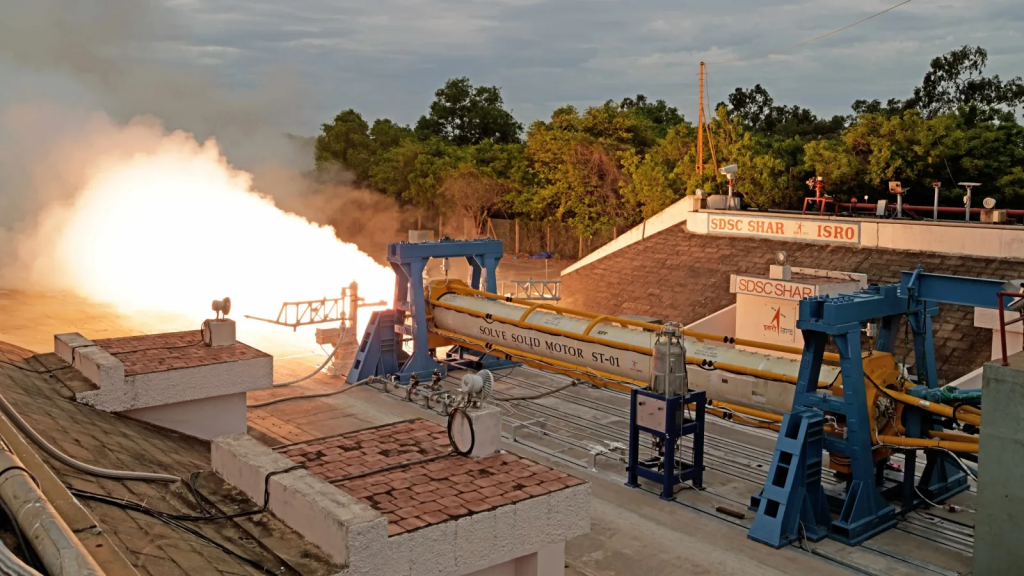
In News: ISRO Successfully Conducts Integrated Parachute Test for Gaganyaan
- ISRO successfully conducted Integrated Parachute Tests to validate Crew Module deceleration before splashdown during the Gaganyaan mission.
- ISRO is also developing the SOLVE vehicle to perform multiple experiments under different flight conditions.
About the Gaganyaan Mission
- The Gaganyaan Mission aims to demonstrate safe human spaceflight using an indigenously developed Crew Module.
- The Crew Module is a pressurised spacecraft that houses astronauts during launch, spaceflight and sea splashdown.
Integrated Air Drop Test (IADT) and Crew Module Recovery System
- Integrated Air Drop Test: Simulates the spacecraft’s final descent by dropping the Crew Module from an aircraft or helicopter.
- Purpose: Evaluates parachute deployment, abort scenarios, splashdown safety and Crew Module recovery performance.
- Test Execution: A 4.8-tonne dummy Crew Module was released from 3 kilometres using a Chinook helicopter.
- Autonomous System: Onboard avionics automatically deployed 10 parachutes after release to ensure controlled descent.
- Splashdown Speed: The parachutes reduced the Crew Module’s speed to nearly 8 m/s before sea landing.
- Limitation: Helicopter-based tests cannot fully replicate actual atmospheric re-entry conditions.
- Validation: ISRO conducts sub-orbital or orbital tests like TV-D1 to assess real re-entry performance.
- Recovery Check: The test also validated Crew Module orientation and recovery procedures after splashdown.
Sub-Orbital Launch Vehicle for Experiments (SOLVE)
- SOLVE is a solid motor based Sub-Orbital Launch Vehicle developed by ISRO for experimental missions.
- The SOLVE vehicle can perform multiple experiments under different test conditions.
- During SOLVE missions, the Crew Module separates from the vehicle between 10 and 17 kilometres altitude.
Source: Indian Express
CASA Deposits: UPSC Prelims Notes
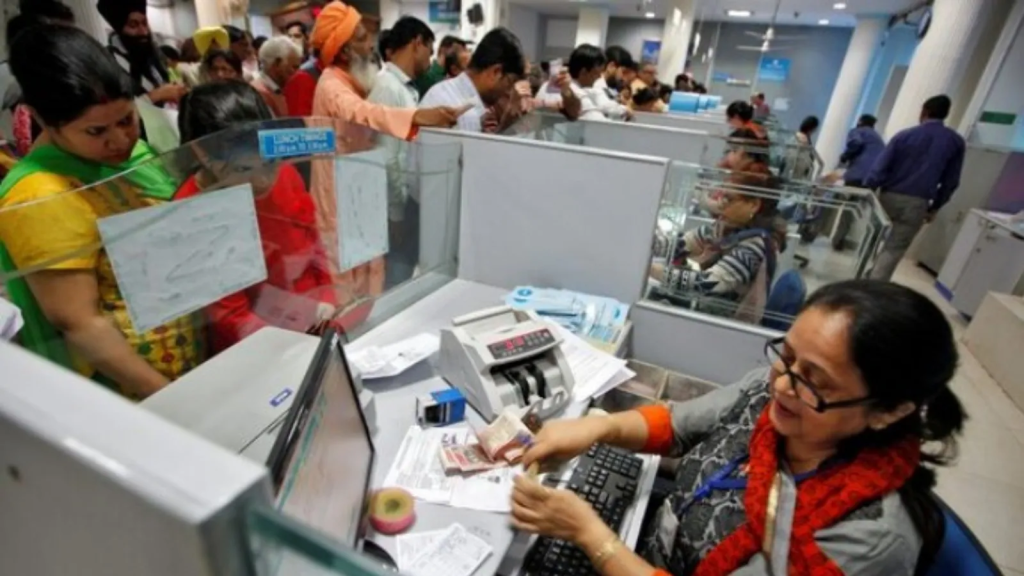
In News: Slowing CASA Deposit Growth in India’s Banking Sector
- CASA deposits have slowed as investors increasingly prefer stocks and mutual funds offering comparatively higher returns.
- Banks are increasingly relying on term deposits and Certificates of Deposit to bridge the funding gap.
About Current Account and Savings Account (CASA) Deposits
- CASA deposits comprise Current Account deposits and Savings Account deposits maintained with commercial banks.
- Current Account: Primarily used for frequent transactions and generally does not provide interest to depositors.
- Savings Account: Allows individuals to save money while earning interest with easy withdrawal facilities.
- Low-cost Funds: CASA deposits provide banks with inexpensive funds for extending loans and other banking operations.
- Stable Source: CASA deposits are considered reliable because depositors generally do not shift funds frequently.
Significance of CASA Deposits in the Banking System
- Loan Funding: CASA deposits finance loans, which remain the primary source of revenue for commercial banks.
- Lower Costs: Lower interest rates on CASA deposits help banks maintain better profitability and lending margins.
- Liquidity Support: Stable CASA deposits strengthen banks’ long-term funding base and liquidity management.
- Competitive Strength: Strong CASA growth enhances the quality of a bank’s liability franchise over competitors.
Credit-Deposit Ratio and Certificate of Deposit (CD)
- Credit-Deposit Ratio: It measures the percentage of total deposits deployed by banks as loans.
- Rising Ratio: The banking system’s credit-deposit ratio increased to 82.5% from around 75% during mid-2025.
- Certificate of Deposit: A CD is a term deposit instrument used by corporates and institutions to raise funds.
- Purpose: Banks use Certificates of Deposit mainly for managing short-term liquidity requirements.
- Funding Cost: CDs generally carry higher interest costs than CASA deposits and may reduce bank margins.
- Interest Risk: Greater dependence on CDs may increase funding costs if interest rates rise in future.
Source: Indian Express
Polygraph Test: UPSC Prelims Notes

In News: Pune Police Seeks Court Approval for Polygraph Test
- Pune Police sought court permission to conduct a Polygraph Test after obtaining the accused’s voluntary consent.
About the Polygraph Test
- A Polygraph Test is an investigative procedure popularly known as a lie-detector test.
- The Polygraph Test continuously records physiological responses while questioning a person during an investigation.
- Core Principle: The test assumes conscious deception triggers involuntary physiological stress responses beyond a truthful baseline.
- Objective: The test helps generate investigative leads, verify alibis and narrow the scope of investigation.
How Does the Polygraph Test Work?
- Pre-Test Interview: The examiner explains the procedure, reviews the case and reduces anxiety before questioning.
- Baseline Recording: Simple factual questions establish normal breathing, heart rate, blood pressure and sweating patterns.
- Structured Questioning: Irrelevant, control and relevant questions compare physiological responses during different categories of answers.
- Waveform Analysis: The examiner studies recorded physiological changes to identify possible indicators of deception.
- Pneumograph Tubes: Air-filled tubes measure breathing rate and depth by monitoring chest and abdominal movements.
- Cardiovascular Cuff: A blood pressure cuff continuously records heart rate, pulse and blood pressure changes.
- GSR Sensors: Finger electrodes measure skin conductivity changes caused by increased sweating during emotional stress.
- Photoplethysmograph: An infrared sensor records blood flow variations in the finger or earlobe during questioning.
Legal and Constitutional Provisions Related to the Polygraph Test
- Voluntary Consent: The Supreme Court requires voluntary consent before conducting a Polygraph Test under Indian law.
- Selvi Judgment: In Selvi v. State of Karnataka (2010), compulsory polygraph testing was held impermissible.
- Evidence Value: Polygraph results are generally inadmissible except for discoveries covered under Section 27 of the Indian Evidence Act.
- Scientific Limitation: The test measures physiological stress rather than directly detecting lies, making reliability scientifically debated.
- Countermeasures: Physical or mental techniques may alter physiological responses and reduce the test’s investigative reliability.
Source: Indian Express
