
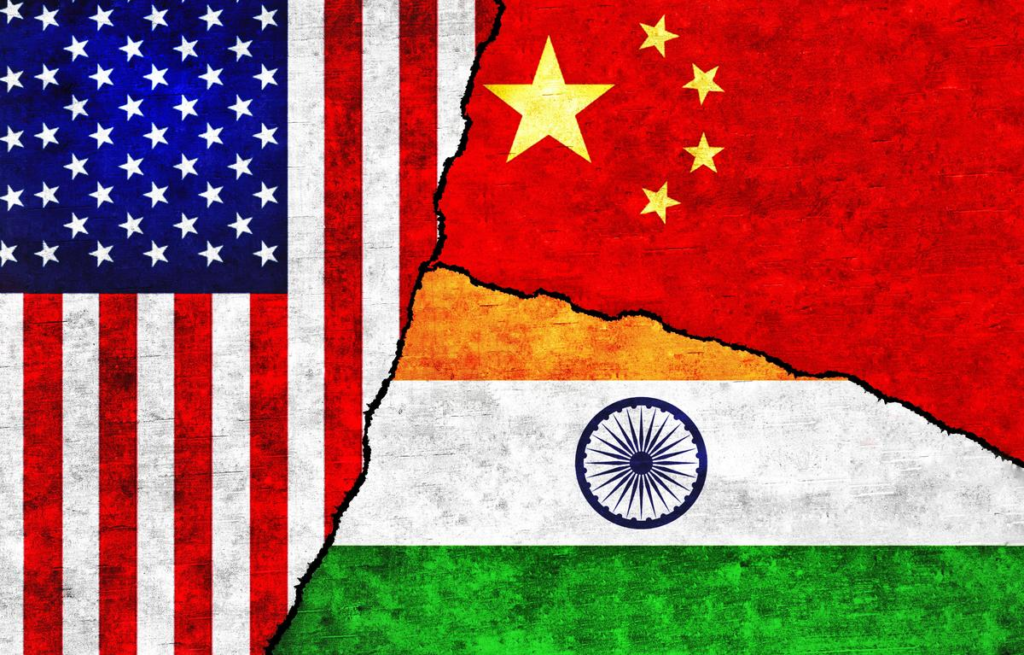
India’s Global South Leadership
- India’s early foreign policy drew strength from leadership of the Global South within the United Nations system.
- Multilateral rules, largely framed by post-colonial powers, often required diplomatic negotiation to protect developing country interests.
- India played a central intellectual role in global negotiations, including climate diplomacy until the early 1990s.
Eroding Multilateralism
- The rise of China since 2010 has reshaped global institutional balance through alternative funding and governance structures.
- China now heads multiple UN agencies and has expanded development assistance beyond Western volumes.
- Simultaneously, the United States has withdrawn from several UN bodies, weakening institutional authority.
Evolution of Strategic Autonomy
- India’s doctrine of strategic autonomy emerged from leadership of the Non-Aligned Movement during the Cold War.
- It enabled India to balance superpower blocs while retaining sovereign decision-making space.
- After the Soviet Union’s collapse, the doctrine gradually lost structural relevance.
- India’s participation in groupings like the Quad and defence purchases from Russia reflect evolving alignments.
- Russia remains a long-trusted defence partner providing advanced military technologies.
- U.S. strategic discourse increasingly describes India as a “swing state” in great-power competition.
Rise of Power Politics
- The weakening of multilateral institutions has revived asymmetric bilateral power relations.
- Trade reciprocity is increasingly defined through national interest frameworks such as “America First.”
- Bilateral trade arrangements now reflect negotiated imbalances rather than rule-based equity.
- India faces tariff pressures despite expanding imports under bilateral frameworks.
- Global geopolitics is shifting toward transactional and security-driven alignments.
Reframing India’s Foreign Policy
- India must rethink foreign policy beyond the legacy framework of strategic autonomy.
- The emerging vision links diplomacy to the national development goal of Viksit Bharat 2047.
- India’s demographic dividend, particularly its global technology workforce, offers strategic leverage.
- Nearly half of Silicon Valley’s talent traces roots to India, reflecting technological potential.
- Building domestic capabilities in AI, cyber systems, and manufacturing is essential.
- Foreign policy must therefore integrate economic transformation with strategic positioning.
Way Forward
- India should prioritise building endogenous technological and industrial capabilities.
- Trade diplomacy must diversify exports beyond excessive dependence on the U.S.
- Expanding Free Trade Agreements with Asia and Africa can unlock growth markets.
- Technological and strategic cooperation with Russia should be strengthened.
- Managed economic engagement with China, including infrastructure investment, may accelerate growth.
- Reframing Pakistan engagement through economic and connectivity lenses could stabilise relations.
- As BRICS Chair, India can shape it into an economic cooperation platform. Linking digital currencies may facilitate smoother cross-border trade and payments.