

India-UK CETA: UPSC Mains Notes
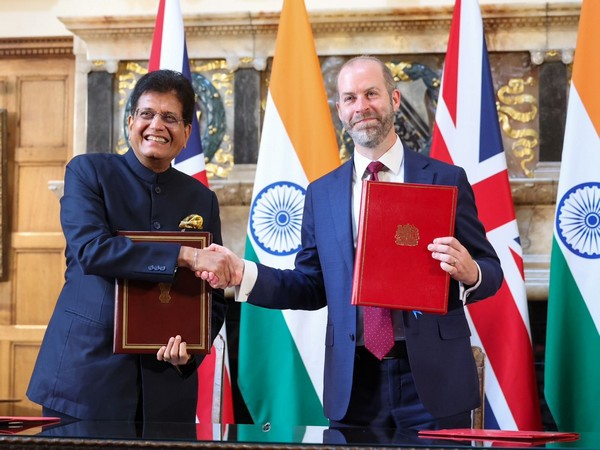
In News: India-UK CETA to Take Effect from July 2026
- The India-UK Comprehensive Economic and Trade Agreement (CETA) formally takes effect from July 15, 2026. Nearly three years of intensive negotiations preceded this landmark trade deal.
- Bilateral trade was already worth £48 billion annually in 2025.
About: Key Outcomes — Tariffs, Trade & GDP Gains
- GDP Boost India: CETA is forecast to boost Indian GDP by £5.1 billion annually in the long run.
- GDP Boost UK: The deal will boost UK’s GDP by £4.8 billion annually.
- Trade Increase: Bilateral trade is expected to increase by £25.5 billion every year in the long run.
- Indian Tariff Access: 99% of UK tariff lines will be duty-free for Indian products.
- UK Tariff Access: India will remove or reduce tariffs on 90% of its tariff lines for UK products.
- UK Tariff Reduction: Tariff duties on UK exports to India will fall by £400 million initially and further to £900 million in later phases.
- Indian Sectors Benefiting: Textiles, leather, jewellery, IT and finance gain significantly.
- UK Sectors Benefiting: Aerospace, automotives, medical devices and whiskies benefit substantially.
Beyond Tariffs: Customs, Digital Trade & Services Access
- SME Facilitation: Improved customs provisions help goods reach markets faster especially for SMEs that cannot afford red tape.
- Digital Trade: The agreement includes dedicated provisions on digital trade as a core pillar.
- Services Lock-in: The agreement locks in market access across key service sectors providing long-term predictability.
- Broad Coverage: The deal spans 30 chapters covering manufacturers, innovators, supply chains and service exporters.
- Geographic Inclusion: Benefits extend beyond major cities to businesses like textile manufacturers from Indore and auto-parts makers from Birmingham.
First-of-Kind: Standalone Chapters on Gender, Labour & Anti-Corruption
- Anti-Corruption Chapter: This is India’s first-ever standalone anti-corruption chapter in a trade deal.
- Gender Chapter: A dedicated gender chapter makes this one of India’s most comprehensive trade agreements.
- Labour Commitments: The deal includes one of India’s most comprehensive labour and environmental commitments ever made.
- Development Chapter: A dedicated development chapter reflects the pro-worker and pro-innovation approach of this agreement.
- Gold Standard: This deal sets a template for modern trade agreements globally.
India’s Caution: Protections for Dairy & Edible Oils
- Dairy Protection: India maintains specific protections for dairy products reflecting consistent agricultural trade policy.
- Edible Oils: India has also protected edible oils from full trade liberalisation under this agreement.
- UK Protections: The UK shields sugar, milled rice, pork, chicken and eggs from full tariff liberalisation.
- Balanced Approach: The deal secures appropriate protections for domestic producers alongside expanded market access.
Source: The Hindu
