

Why in News: The trial of ex-MP Prajwal Revanna highlighted how a domestic worker survivor stood firm against power despite intimidation, delays, and stigma. Her case underlines that women’s empowerment must go beyond applause for elites to structural support.
Introduction
- The trial of former JD(S) MP showcased how a 47-year-old domestic worker—without wealth, privilege, or networks—stood firm against intimidation and delays.
- Her courage highlights the essence of women’s empowerment, but also exposes gaps in how society and the state support survivors after legal victories.
The Language vs. Reality of Empowerment
- The narrative of empowerment often highlights women entrepreneurs, CEOs, or political leaders.
- But empowerment is skewed towards privileged women with access to networks and resources.
- Survivors who fight for dignity and justice are rarely celebrated as “heroes”.
- Their actions strengthen jurisprudence for all women, yet once verdicts are delivered, they are forgotten.
Challenges Faced by Women Survivors
1. Social stigma & retaliation – loss of jobs, community isolation.
2. Economic burden – debts from long legal battles.
3. Psychological trauma – lack of structured counselling and recovery mechanisms.
4. Inadequate legal aid – under-resourced and inaccessible services.
5. Unsafe reintegration – survivors often return to hostile environments.
What True Empowerment Entails
1. State-Funded Survivor Compensation
- On lines of terrorism/accident victims.
- Should cover litigation costs + ensure minimum economic stability.
2. Specialised Legal Aid Cells
- Survivor litigation cells with trained advocates, forensic experts, victim support officers.
- Funded at par with public prosecutors.
3. Guaranteed Employment Pathways
- Direct employment quotas in government, PSUs, corporates.
- Provides dignity and long-term reintegration.
4. Psychological & Trauma Recovery
- Access to counselling, peer support, therapy.
- To be treated as a right, not a luxury.
5. Institutionalising Survivor Expertise
- Survivors trained as:
- Counsellors in police stations.
- Mentors in community legal awareness.
- Members of POSH Internal Committees.
- Provides income and embeds their courage into institutional culture.
Why Special Recognition?
- Survivors who resist entrenched power fight exceptional battles in current systems.
- Supporting them visibly signals:
- The state does not abandon victims.
- Abusers face higher costs of silencing.
- Empowers future victims to come forward.
Conclusion
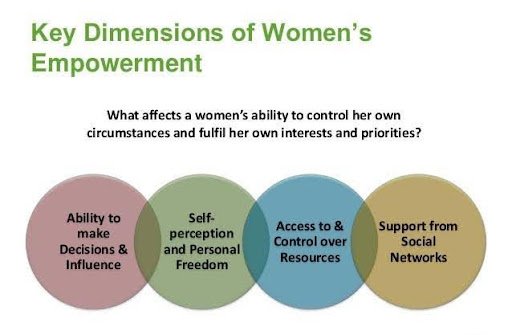
True empowerment requires structural reforms—economic security, professional reintegration, and survivor inclusion in policymaking. Only when women who risk everything are given a secured future can empowerment in India be said to be delivered, not just declared.
UPSC Relevance
GS Paper 1 (Society):
- Role of women and women’s organisations.
- Social empowerment and gender justice.
Mains Practice Question
Q. “True empowerment of women lies not in symbolic applause but in structural support.” Discuss with examples. ( – 250 words)
