

Context
- India is witnessing a “hotter-than-normal summer”, which has significantly increased electricity demand across regions.
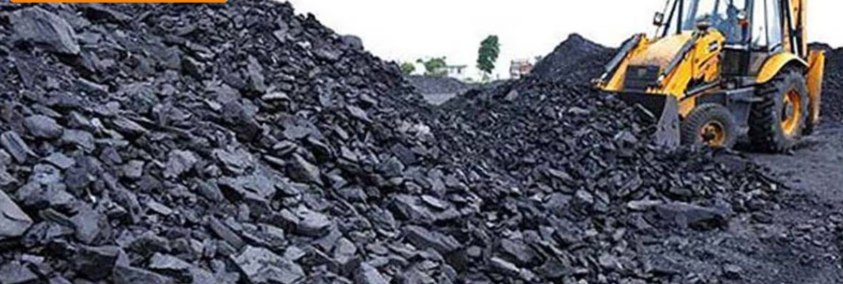
- The government has decided to rely more on coal-based power plants to meet peak demand requirements.
- Gas-based power contributes only 1–2% of total generation, limiting its ability to act as a reliable alternative.
- The power system remains “adequate”, but faces supply constraints due to global disruptions, especially in West Asia.
- Renewable energy is increasingly being treated as a balancing source, rather than a primary contributor.
Structural Features of India’s Power Sector
- Coal-based power continues to dominate India’s energy mix, accounting for over 70% of generation.
- Gas-based power plants, although expensive, provide operational flexibility during peak demand periods.
- Hydropower is being strategically managed to conserve water for peak electricity demand.
- Solar energy depends on daytime generation and requires efficient grid integration for utilisation.
Reasons for Solar Curtailment with Coal Dependence
- Coal plants must operate at a minimum technical load (MTL) of about 55%, limiting their ability to reduce output.
- This operational inflexibility prevents adjustment when solar generation is high during daytime hours.
- Grid operators prioritise stability and reliability, leading to preference for consistent coal-based generation.
- Renewable energy, especially solar, is intermittent, creating challenges in balancing supply and demand.
- Transmission infrastructure in states like Rajasthan and Gujarat is often insufficient, causing congestion.
- As a result, excess renewable energy is curtailed despite availability, reducing efficiency.
- Peak electricity demand occurs in the evening, when solar energy is unavailable, reinforcing coal dependence.
Evidence of Rising Curtailment
- India curtailed up to 23 GW of renewable energy between May and November in a recent year.
- This indicates a growing mismatch between renewable expansion and grid capacity.
- Solar power is most affected due to its time-bound and variable generation pattern.
Policy Measures and Government Actions
- The government has directed coal plants to operate at full capacity to meet rising demand.
- Gas-based plants, including the Tata Power plant in Gujarat, are being revived for flexibility.
- Maintenance schedules of thermal and renewable plants are being adjusted to ensure continuous supply.
- Greater emphasis is being placed on battery energy storage systems (BESS) for better integration.
Implications
- Increased coal reliance reduces the viability of solar investments, affecting investor confidence.
- It slows progress towards clean energy transition and climate commitments.
- Renewable developers face financial losses due to unused generation capacity.
- Continued coal usage leads to higher carbon emissions and environmental degradation.
Way Forward
- India must enhance grid flexibility through advanced forecasting and real-time management systems.
- Investment in battery storage systems is essential to store excess renewable energy.
- Transmission infrastructure must be upgraded to support high renewable penetration.
- Thermal plants should be made more flexible to adjust output according to renewable availability.
- A diversified energy mix, including wind and hybrid systems, should be promoted.
- Energy policy must balance reliability, affordability, and sustainability in the long term.
Conclusion
- India’s energy transition faces a challenge where reliability concerns reinforce coal dependence.
- A balanced approach is required to ensure sustainable growth without compromising energy security.
