

SaaSpocalypse

Context: The term SaaSpocalypse reflects growing fears that Artificial Intelligence (AI) may disrupt traditional software business models.
What is SaaSpocalypse?
- Term coined by Jefferies Group, a U.S. multinational investment bank.
- Captures fear that AI is replacing software, not merely enhancing it.
- Traditional Software as a Service (SaaS) charges per user seat.
- AI agents execute workflows autonomously without human intervention.
- Fewer human users reduce dependence on paid software platforms.
Industry Concerns
- Firms may prefer internal software development using AI tools.
- AI reduces time required for coding and product creation.
- Questions raised on paying for external SaaS subscriptions.
- CNN quoted Thomas Shipp (LPL Financial) highlighting this concern.
Structural Shift Debate
- Structural disruption from AI is considered real.
- Debate persists on speed and scale of disruption.
Seychelles
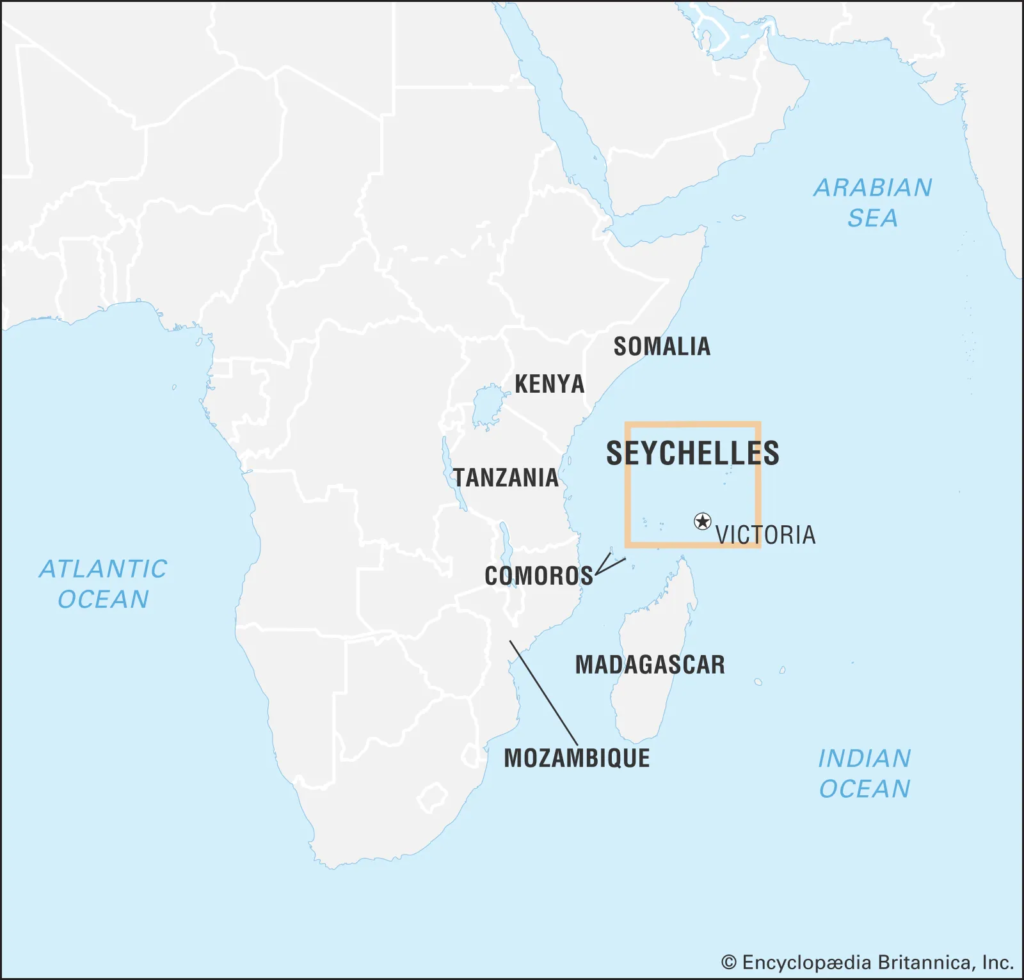
About Seychelles
- Archipelagic island nation located in the Western Indian Ocean.
- Lies northeast of Madagascar and east of mainland Africa.
- Nearby islands include Comoros and Mauritius (south).
- Maldives located to the east of Seychelles.
- Comprises an archipelago of 115 islands.
- Only 8 islands are permanently inhabited.
- Capital city is Victoria.
Geographical Features
- Climate
- Exhibits a tropical oceanic climate.
- Experiences minimal annual temperature variation.
- Island Groups
- Divided into two major island groups.
- Mahé Group
- Consists of mountainous granitic islands.
- Volcanic origin with rocky, hilly interiors.
- Features narrow coastal plains.
- Coralline Islands Group
- Composed of flat coral atolls and elevated reefs.
- Less mountainous than Mahé islands.
- Located atop the submarine Mascarene Plateau.
- Highest Peak
- Highest point is Morne Seychellois.
Dalma Wildlife Sanctuary
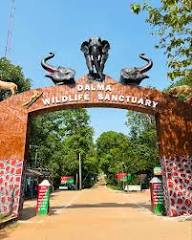
Location & Geography
- Located near Jamshedpur, East Singhbhum district, Jharkhand.
- Situated along Dalma Hills, part of Chotanagpur Plateau.
- Entire sanctuary falls in Subarnarekha River catchment.
- Also linked to Dimna Lake watershed.
- Terrain is hilly, rocky, with forests and grasslands.
Historical & Cultural Aspects
- Inaugurated in 1975.
- Named after local deity Dalma Mai.
- Dalma Temple dedicated to Lord Shiva located inside sanctuary.
Hydrological & Natural Features
- Hosts waterfalls like Sitaguldi and Dassam.
Vegetation
- Forest type: Dry Peninsular Sal Forests.
- Also classified as Northern Dry Mixed Deciduous Forests.
- Forests shed leaves in summer; regenerate during monsoon.
Flora
- Rich in medicinal plants: Anantmula, Satawari, Sarpagandha.
- Diverse trees, shrubs, climbers, herbs and orchids present.
Fauna
- Known for significant Indian Elephant population.
- Other mammals: Barking deer, wild boar, sloth bear.
- Also includes Giant squirrel, porcupine, pangolin.
Avifauna
- Birds include Falcons, golden orioles, grey hornbills.
- Also Paradise flycatchers, Indian peafowl, tree pies.
Global Teacher Prize 2026

Context
- Indian teacher Rouble Nagi won the Global Teacher Prize 2026.
- Award presented at the World Government Summit, Dubai.
- Prize money amounts to one million US dollars.
About the Global Teacher Prize
- Launched in 2014 to honour excellence in teaching.
- Popularly called the “Nobel Prize of Teaching”.
- Presented by GEMS Education.
- Organised by the Varkey Foundation.
- Conducted in collaboration with UNESCO.
- Recognises teachers for exceptional impact on education and society.
- Focuses on innovation, inclusion, and social transformation through teaching.
Purpose and Significance
- Highlights the global importance of teachers in nation-building.
- Encourages innovative and inclusive education models.
- Promotes teaching as a tool for social equity and empowerment.
- Provides global recognition to educators working in challenging conditions.
About Rouble Nagi (Awardee)
- An Indian educator working with marginalised communities.
- Dedicated to making learning accessible and inclusive.
- Has over two decades of experience in grassroots education.
- Established 800+ learning centres across 100+ underserved communities and villages.
- Innovatively transformed abandoned walls into interactive educational murals.
- Murals act as visual learning tools, sparking curiosity and engagement.
- Her work integrates community spaces with education delivery.
Hakki-Pikki Tribe
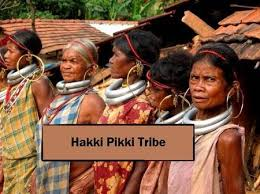
Context
- Indian Embassy assisted Hakki-Pikki community members stranded in Chad.
- Individuals belonged to Davangere, Shivamogga, and Chikkamagaluru districts of Karnataka.
About Hakki-Pikki Tribe
- A semi-nomadic tribal community found in western and southern India.
- Settled mainly near forested regions across multiple states.
- Name derived from Kannada words:
- Hakki = Bird
- Pikki = Catchers
- Traditionally engaged in bird catching and hunting activities.
Origin and Distribution
- Believed to have originated from border districts of Gujarat and Rajasthan.
- Later migrated and settled in southern states, especially Karnataka.
Socio-Cultural Practices
- Follow Hindu traditions and observe major Hindu festivals.
- Community members are non-vegetarians.
- Unique identity custom:
- Eldest son does not cut hair for easy identification.
Marriage and Family Structure
- Practice cross-cousin marriages.
- Society follows a matriarchal system.
- Groom pays dowry to the bride’s family.
- Monogamy is the accepted marital norm.
