


Gulf Cooperation Council (GCC)
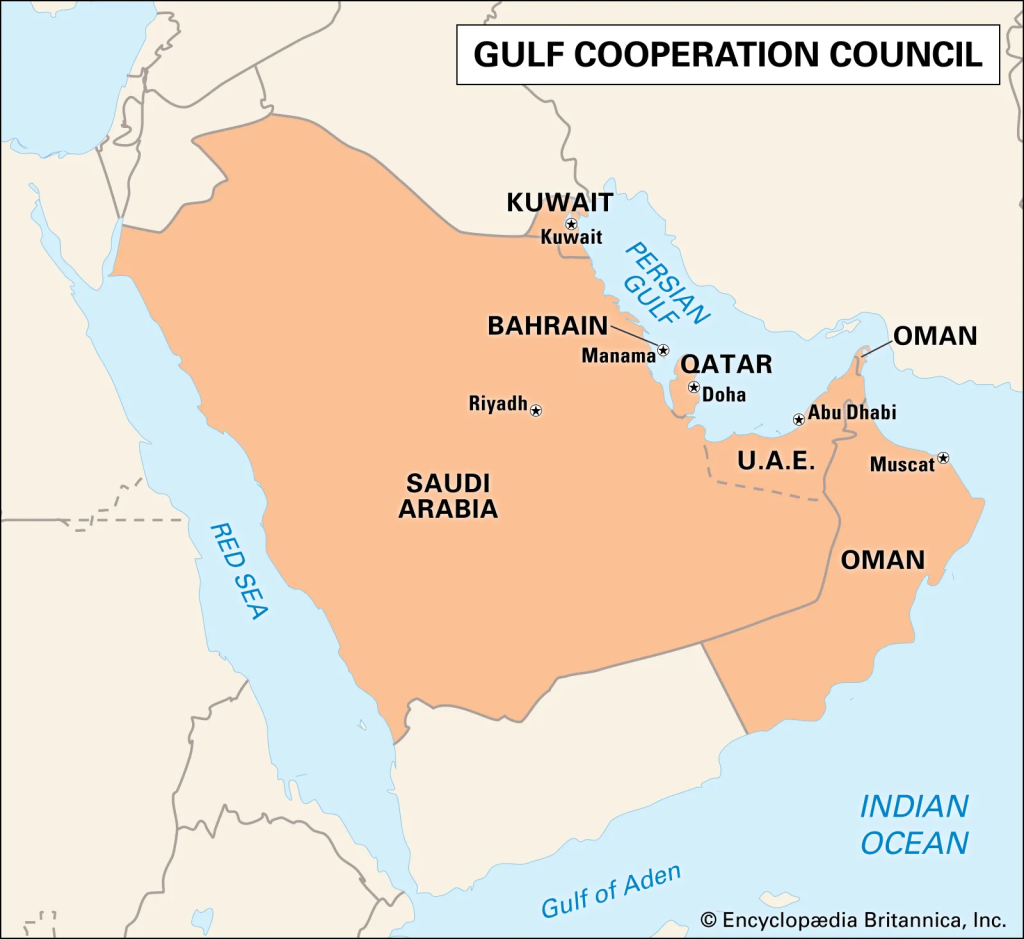
Context: India has renewed engagement with Gulf Cooperation Council (GCC) amid growing economic, energy, and diaspora-related strategic interests.
Basic Facts
- Gulf Cooperation Council (GCC) is a regional political and economic alliance of six West Asian countries.
- It includes Bahrain, Kuwait, Oman, Qatar, Saudi Arabia, and United Arab Emirates as founding member states.
- The organization was formally established on 25 May 1981 through signing of the GCC Charter.
- The permanent headquarters of GCC is located in Riyadh, Saudi Arabia, serving as its administrative center.
Organizational Structure
- Supreme Council is the highest authority, comprising heads of member states with rotating presidency in alphabetical order.
- Ministerial Council includes foreign ministers of member states and meets every three months for policy coordination.
- Secretariat General functions as administrative body, responsible for implementation of decisions and organizing official meetings.
Supporting Bodies
- Consultative Commission consists of thirty members, five from each country, appointed for three-year terms.
- It examines issues referred by the Supreme Council and provides advisory inputs based on expertise.
- Dispute Settlement Commission is constituted by Supreme Council for resolving disputes related to interpretation of GCC Charter.
Tuberculosis (TB)
About TB
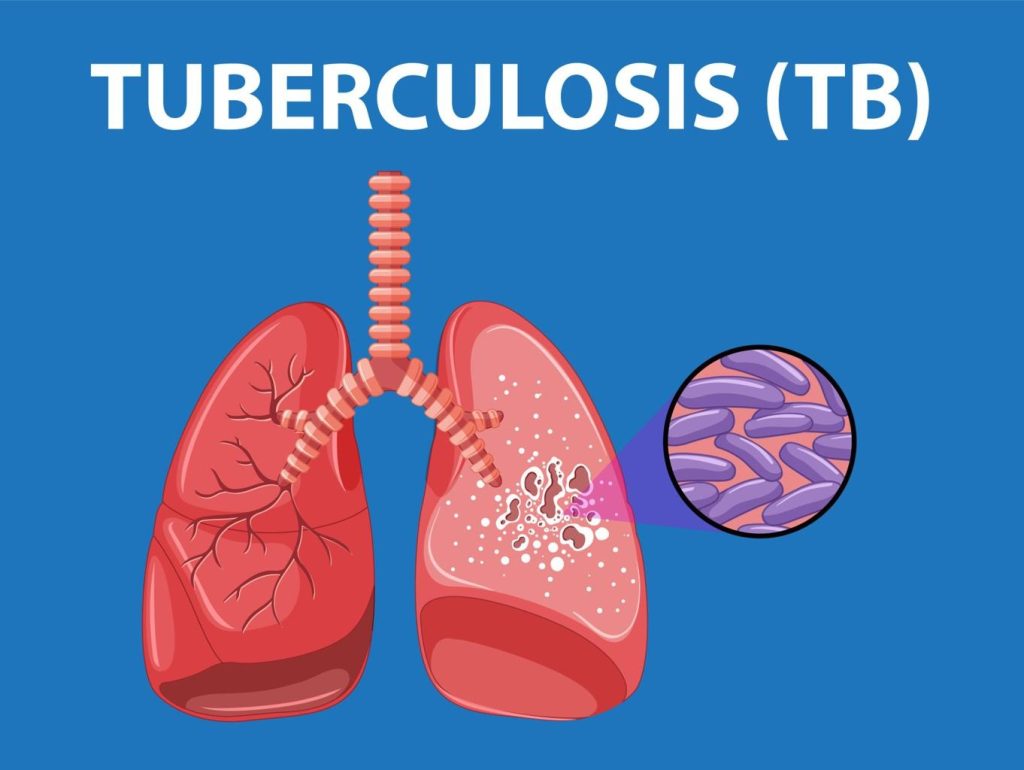
- Tuberculosis (TB) is a bacterial infectious disease caused by Mycobacterium tuberculosis, mainly affecting lungs.
- TB spreads through airborne droplets when infected persons cough, sneeze, or spit infectious particles.
- Around 25% global population is infected, but only 5–10% develop active disease symptoms.
- TB is preventable and curable with timely diagnosis and proper antibiotic treatment adherence.
- Two types include Pulmonary TB affecting lungs and Extrapulmonary TB affecting other organs.
Risk Factors, Diagnosis and Prevention
- Major risk factors include weak immunity, malnutrition, diabetes, tobacco use, and alcohol consumption habits.
- WHO recommends rapid molecular diagnostic tests as initial tool for early and accurate TB detection.
- Other methods include sputum smear microscopy and chest X-rays for confirming tuberculosis infection cases.
- BCG vaccine is administered to infants to provide protection against severe forms of tuberculosis.
- Maintaining hygiene, early testing, and avoiding exposure reduce transmission risk in vulnerable populations.
Treatment and Drug Resistance
- Standard TB treatment lasts 4–6 months, requiring strict adherence to avoid relapse and resistance development.
- Multidrug-resistant TB (MDR-TB) shows resistance to isoniazid and rifampicin, requiring second-line drugs.
- Extensively drug-resistant TB (XDR-TB) is more severe with limited effective treatment options available.
- New regimens like Bedaquiline-based oral therapy improve treatment success and reduce patient burden.
National TB Elimination Programme (NTEP)
- NTEP replaced Revised National Tuberculosis Control Programme in 2020 with elimination target by 2025.
- It follows National Strategic Plan (2017–2025) based on Detect, Treat, Prevent and Build pillars.
- Programme emphasizes early diagnosis, private sector engagement, contact tracing, and addressing social determinants.
- India reported 25.5 lakh TB cases in 2023 and 26.07 lakh cases in 2024 under NTEP.
- Ni-kshay Portal enables real-time case tracking, surveillance, and efficient TB programme implementation nationwide.
- Key Initiatives under NTEP
- Ni-kshay Poshan Yojana provides monthly financial assistance for nutritional support to TB patients during treatment. The nutritional support increased from ₹500 to ₹1000 per month to improve recovery outcomes.
- Pradhan Mantri TB Mukt Bharat Abhiyaan (2022) focuses on community participation and patient support systems.
- Ni-kshay Mitra initiative enables individuals and organizations to provide food and social support to patients.
- Government disbursed ₹3,202 crore to 1.13 crore beneficiaries through Direct Benefit Transfer mechanism.
Nilgiri Tahr (Nilgiritragus hylocrius)
Basic Facts
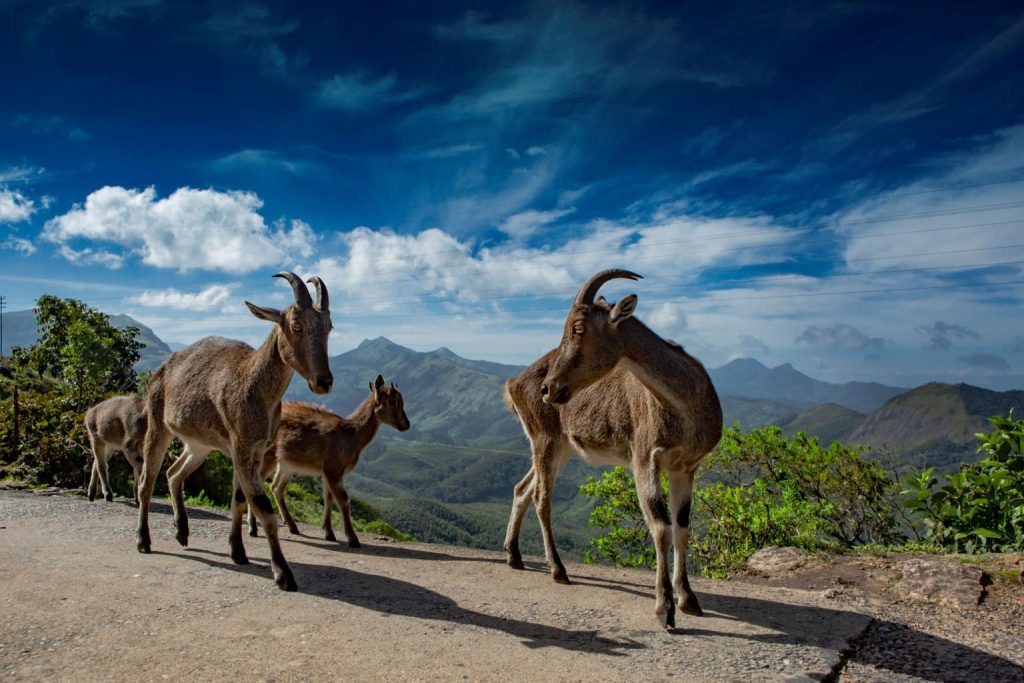
- Nilgiri Tahr is a caprine ungulate endemic to Western Ghats, locally called Varayaadu or Nilgiri Ibex.
- It is mainly found in Tamil Nadu and Kerala, with Tamil Nadu recognizing it as state animal.
- Scientifically known as Nilgiritragus hylocrius, it is unique among mountain ungulates of southern India.
Habitat & Distribution
- It inhabits montane grasslands and shola forests at elevations between 1,200 and 2,600 metres.
- Prefers steep grassy slopes and rocky cliffs, typical of high-altitude Western Ghats landscapes.
- Eravikulam National Park in Kerala supports the largest population of Nilgiri Tahr.
- Smaller populations occur in Palani Hills, Srivilliputtur, Meghamalai, and Agasthiyar ranges.
Behaviour & Ecology
- Nilgiri Tahr is a diurnal species, remaining active and grazing during daytime hours.
- Average lifespan is around 3–3.5 years, though individuals may live up to 9 years.
- Acts as important prey for tiger and leopard, contributing to ecological balance.
- Shares habitat with endemic species like Nilgiri langur and lion-tailed macaque.
Threats & Conservation
- Major threats include habitat loss from deforestation, hydroelectric projects, and monoculture plantations.
- Livestock grazing and poaching further degrade habitat and reduce population sustainability.
- Local extinction observed in Karnataka highlands, indicating shrinking distribution range over time.
- IUCN status is Endangered, reflecting high extinction risk in wild populations.
- Listed under Schedule I of Wildlife Protection Act, 1972, ensuring highest legal protection.
Mahad Satyagraha (1927)
About Mahad Satyagraha
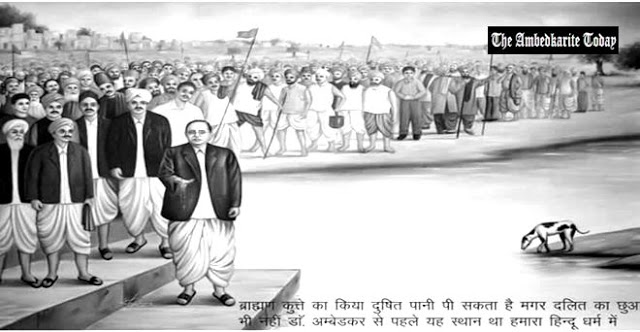
- Mahad Satyagraha (1927), led by Dr. B.R. Ambedkar, marked assertion of Dalit rights over public resources.
- Background & Cause
- Depressed Classes (Dalits) faced denial of access to public spaces like water tanks, temples, and schools.
- Social discrimination led to systematic exclusion, reinforcing economic, social, and political marginalization in colonial India.
- Dr. Ambedkar emphasized social reform along with political freedom, highlighting need to dismantle caste hierarchy.
- Legal Background
- S.K. Bole Resolution (1923) allowed Depressed Classes access to public places funded by government resources.
- Bombay Government issued orders to implement resolution across public institutions and water sources.
- Mahad Municipality opened Chavdar Tank, but dominant castes prevented its actual implementation.
- Events of Mahad Satyagraha (1927)
- Conference held at Mahad on 19–20 March 1927, organized by Bahiskrit Hitkarini Sabha.
- Dr. Ambedkar led march to Chavdar Tank and drank water, asserting equal rights of Dalits.
- Second phase in December 1927 included burning of Manusmriti, rejecting caste-based social order.
RELIEF Scheme

Context: Government launched ₹497 crore Resilience & Logistics Intervention for Export Facilitation (RELIEF) scheme to support exporters impacted by disruptions due to ongoing West Asia crisis.
Key Features of the Scheme
- It provides credit insurance support to affected exporters.
- Scheme is part of Export Promotion Mission, announced in Budget 2025–26 to boost export resilience.
- Focus is on MSME exporters, ensuring financial protection and continuity of export operations during crisis.
- Insurance premium rates remain at pre-conflict levels, reducing financial burden on exporters.
Components of RELIEF Scheme
- First component (₹56 crore) supports exporters already insured under Export Credit Guarantee Corporation (ECGC) with pre-disruption premium benefits.
- Covers shipments with Bill of Lading dated between February 14 and March 15, 2026.
- Second component (₹159 crore) covers new exporters opting for ECGC insurance for shipments till June 15, 2026.
- Provides up to 95% insurance cover against losses, excluding energy sector shipments.
- Third component (₹282 crore) targets MSMEs without prior ECGC cover, with support capped at ₹50 lakh.
Coverage & Scope
- Applies to exports destined for UAE, Saudi Arabia, Kuwait, Qatar, Oman, Bahrain, Iraq, Iran, Israel, Yemen.
- ECGC provides protection against commercial, political, and war-related risks affecting export consignments.
- Scheme ensures coverage for goods stranded or delayed due to geopolitical disruptions in West Asia region.
US Military Bases in the Middle East
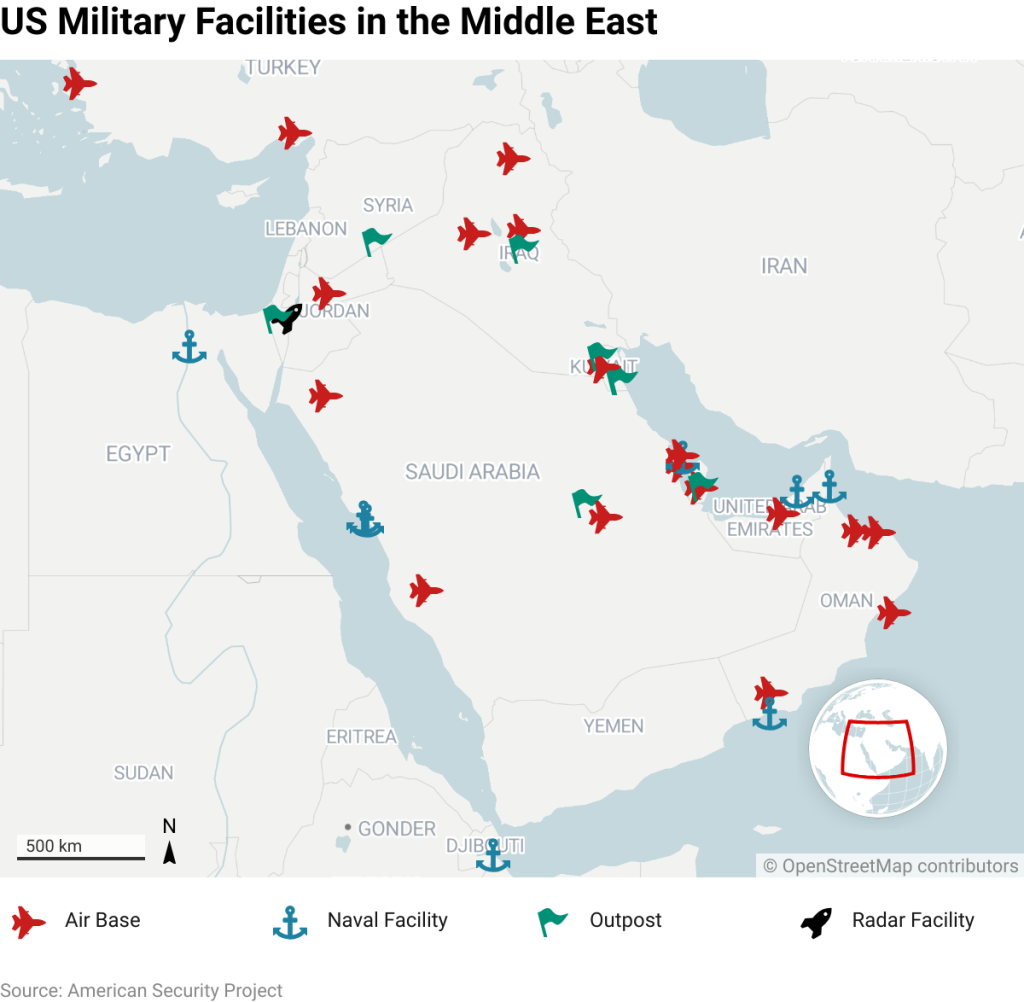
Basic Framework
- The United States maintains permanent and rotational military bases in Middle East under CENTCOM command structure.
- These bases aim to secure oil routes, protect allies, counter terrorism, and deter regional threats like Iran.
Key Naval & Air Bases
- Bahrain hosts US Fifth Fleet headquarters, ensuring maritime security across Persian Gulf and nearby strategic waters.
- Qatar (Al Udeid Air Base) is largest US base, serving as forward headquarters for CENTCOM operations.
- UAE (Al Dhafra Air Base) supports surveillance, air combat missions, and anti-ISIS operations in region.
- UAE (Jebel Ali Port) is busiest US naval port in region, handling aircraft carriers and major warships.
Strategic Land & Logistics Bases
- Kuwait (Camp Arifjan) serves as forward headquarters of US Army Central command operations.
- Kuwait (Ali Al Salem Air Base) acts as logistics hub supporting operations in Iraq and Syria.
- Iraq (Ain Al Asad Air Base) supports Iraqi forces and NATO missions, targeted during 2020 Iran strike.
- Iraq (Erbil Air Base) functions as logistics, intelligence, and military training hub in northern Iraq.
Defence & Regional Security Bases
- Saudi Arabia (Prince Sultan Air Base) hosts Patriot and THAAD systems for missile defence.
- Jordan (Muwaffaq al Salti Air Base) supports US air operations across Syria, Iraq, and Levant region.
- Turkey (Incirlik Air Base) jointly operated with NATO, hosting US nuclear weapons and anti-ISIS missions.
