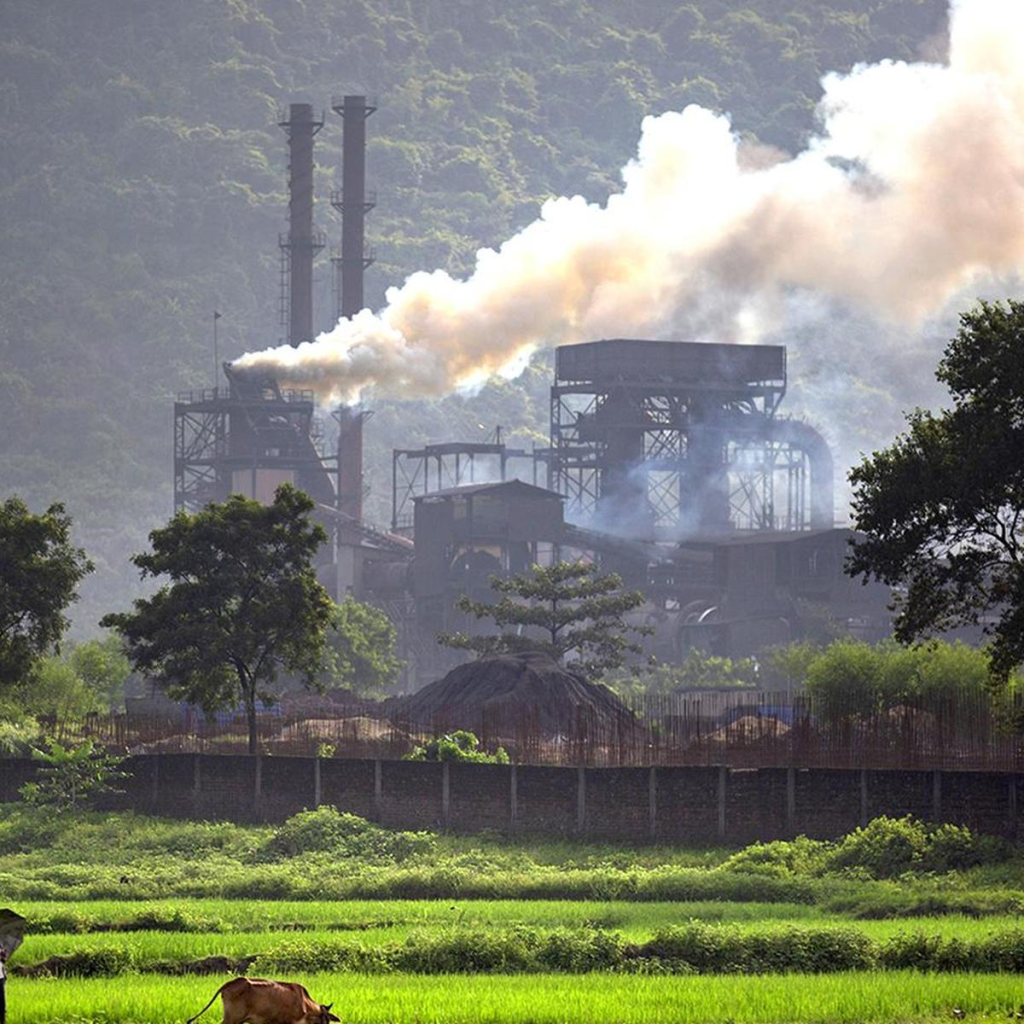
Context: Fossil fuel dependence is increasingly seen as a threat to national security and economic stability, especially in light of recent geopolitical conflicts affecting energy supply chains.
Fossil Fuel Dependence and Strategic Vulnerability
- Heavy reliance on West Asia exposes countries like India to geopolitical risks, as seen in disruptions such as the Strait of Hormuz blockade.
- Supply disruptions can halt energy flows, directly affecting industrial activity and economic functioning.
- Developing economies cannot abruptly abandon fossil fuels without risking industrial collapse.
- Developed nations’ historical use of fossil fuels complicates demands for rapid transition, raising concerns of fair opportunity.
Renewables and Emerging Mineral Dependencies
- Renewable energy reduces exposure to fuel blockades, as energy generation depends on natural flows like sun and wind.
- However, transition shifts dependence from fuels to critical minerals such as lithium, cobalt, and rare earths.
- Mineral supply chains are highly concentrated, with significant processing dominance in a few countries.
- Disruptions in mineral or component supply can replicate vulnerabilities similar to oil dependence.
Economic and Policy Trade-offs in Energy Transition
- High upfront costs make renewables less attractive when fossil fuels remain economically viable.
- Rising fuel prices improve renewable feasibility by reducing the payback period.
- In absence of crisis, governments tend to prioritise fiscal responsibility over energy sovereignty.
- For India, stable oil supply could slow transition, allowing continued reliance on domestic coal and gas.
- Current disruptions may compel faster renewable adoption due to lack of alternatives.
Ethical Imperative of Energy Transition
- Fear-driven transitions based on crises may not ensure long-term commitment.
- Energy transition should be guided by ethical responsibility towards environmental sustainability.
- Ethical concerns must also include impacts of mineral extraction, including human rights issues.
- The transition should aim at protecting the planet, not merely responding to short-term economic shocks.
Conclusion
- A sustainable energy transition requires balancing security, economic realities, and ethics, ensuring that long-term environmental goals guide policy beyond immediate geopolitical pressures.