

National Disaster Management Authority (NDMA)
Context: The National Disaster Management Authority is India’s apex disaster management body established under the Disaster Management Act, 2005. It was created to ensure a coordinated, integrated and technology-driven disaster response system in the country.
Brief Overview
- Establishment
- Established under the Disaster Management Act, 2005.
- Functions as the highest policy-making authority for disaster management in India.
- Chairperson
- Chaired ex officio by the Prime Minister of India.
- Composition
- Assisted by a Vice-Chairperson having Cabinet Minister rank.
- Can have up to 8 Members with Minister of State rank.
| Level | Institution |
| National Level | NDMA |
| State Level | State Disaster Management Authority (SDMA) |
| District Level | District Disaster Management Authority (DDMA) |
- SDMAs and DDMAs function under the overall guidelines and framework of NDMA.
Functions and Responsibilities of NDMA
- Policy and Planning Functions
- Lays down national disaster management policies.
- Approves the National Disaster Management Plan (NDMP).
- Frames guidelines for Central Ministries and State Governments.
- Coordination Functions
- Coordinates implementation of:
- Disaster management policies
- Preparedness plans
- Mitigation strategies
- Ensures integration of disaster mitigation measures into development planning.
- Coordinates implementation of:
- Financial and Capacity-Building Functions
- Recommends provision of funds for mitigation and preparedness.
- Promotes capacity building and institutional strengthening.
Overseas Citizenship of India (OCI) Scheme
Context
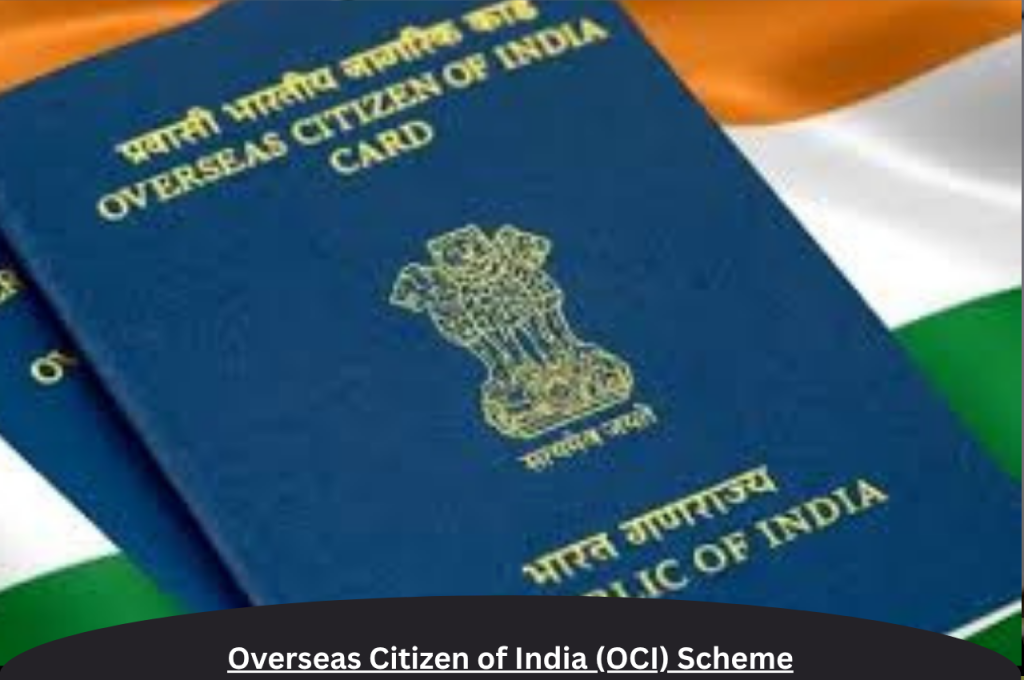
- The Overseas Citizenship of India (OCI) Scheme was introduced through an amendment to the Citizenship Act, 1955 in 2005. It aims to strengthen India’s engagement with the Indian diaspora by granting long-term privileges to foreign citizens of Indian origin.
About the OCI Scheme
- Allows eligible foreign citizens of Indian origin to:
- Live in India
- Work in India
- Travel freely to India
- OCI cardholders enjoy a multiple-entry lifelong visa facility.
- PIO–OCI Merger
- In 2015, the Persons of Indian Origin (PIO) category and OCI category were merged to simplify documentation and benefits.
Eligibility Criteria
- Foreign nationals are eligible if they:
- Were citizens of India on or after 26 January 1950.
- Were eligible to become Indian citizens on 26 January 1950.
- Belonged to territories that became part of India after 15 August 1947.
- Are children, grandchildren, or great-grandchildren of such persons.
- Minor children are eligible if:
- One or both parents are Indian citizens, or
- Parents are eligible for OCI registration.
- The following are not eligible:
- citizens of Pakistan and Bangladesh
- Individuals:
- Serving in foreign military services
- Retired from foreign military services
Benefits of OCI Scheme
- Visa and Travel Benefits
- Entitled to a lifelong multiple-entry, multi-purpose visa.
- No requirement for repeated visa applications.
- Enjoys parity with Non-Resident Indians (NRIs) in:
- Financial matters
- Economic activities
- Educational opportunities
- OCI cardholders cannot:
- Purchase agricultural or plantation land in India.
- Undertake inter-country adoption of Indian children.
- Eligible for Indian citizenship under Section 5(1)(g) of the Citizenship Act, 1955.
- Conditions: Must hold OCI status for at least 5 years and must reside in India for at least 1 year during the preceding 5 years.
Wholesale Price Index (WPI)
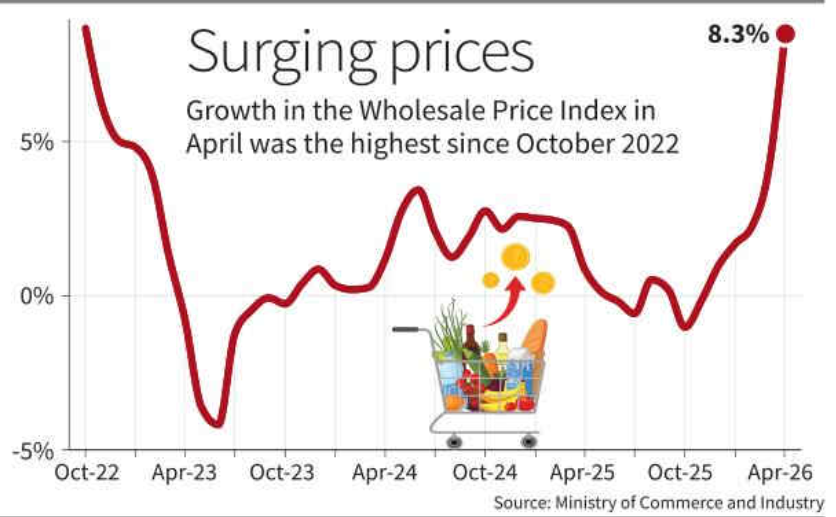
Context: India’s Wholesale Price Index (WPI)-based inflation rose sharply to 8.3% in April 2026, reaching its highest level in nearly three-and-a-half years. The sharp rise in wholesale inflation reflected the growing impact of the West Asia crisis on India’s energy-dependent economy.
What is Wholesale Price Index (WPI)?
- The Wholesale Price Index (WPI) measures changes in prices of goods traded in bulk at the wholesale level.
- The index captures inflationary trends before goods finally reach consumers through retail markets across the economy.
- Unlike retail inflation indices, WPI measures only goods prices and does not include the rapidly expanding services sector.
- The index is released every month by the Ministry of Commerce and Industry through the Office of the Economic Adviser.
Key Features of WPI
- The present WPI series uses 2011–12 as its official base year for inflation calculation purposes.
- The index currently tracks price movements across 697 commodities representing important sectors of the Indian economy.
- Major Components of WPI
- Primary Articles (22.62%)
- The Primary Articles category includes agricultural products, minerals and other naturally available raw materials used in production.
- Fuel and Power (13.15%)
- Manufactured Products (64.23%)
- Primary Articles (22.62%)
Reasons Behind the Sharp Rise in WPI Inflation
- Impact of West Asia Crisis
- Geopolitical tensions in West Asia disrupted global energy markets and triggered a sharp increase in international crude oil prices.
- The development highlighted India’s vulnerability to external shocks because of its continued dependence on imported energy resources.
- Surge in Crude Oil and Natural Gas Prices
- Inflation in crude oil and natural gas reached 67.2%, recording the highest level witnessed during the last forty-six months.
- Rising fuel costs increased transportation, logistics and manufacturing expenses across multiple sectors of the Indian economy.
- Imported Inflation
- India imports large quantities of crude oil, natural gas and industrial inputs essential for economic and manufacturing activities.
- Higher global commodity prices gradually transmitted inflationary pressures into domestic wholesale markets through imported inflation channels.
- Base Effect
- Inflation figures appeared significantly higher because the same sector had experienced sharp deflation during the previous financial year.
- The low statistical base amplified present inflation numbers and intensified the overall inflationary trend visible in WPI data.
Difference Between WPI and CPI
| WPI | CPI |
| WPI measures wholesale prices of goods traded between businesses and producers across the economy. | CPI measures retail prices paid directly by consumers for goods and services in daily life. |
| WPI covers only goods and excludes the rapidly expanding services sector from inflation calculations. | CPI includes both goods and services, making it more representative of consumer expenditure patterns. |
| WPI reflects producer-side inflation and industrial cost pressures within the broader economic production system. | CPI reflects household-level inflation and changes in the actual cost of living experienced by consumers. |
Deendayal Port
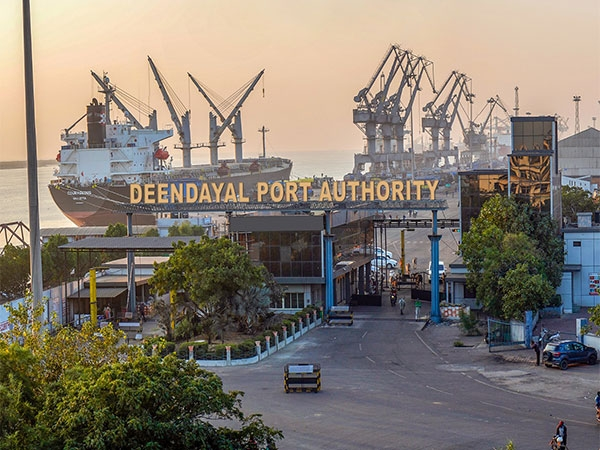
Context: Deendayal Port, formerly known as Kandla Port, is India’s second-largest seaport by cargo handling capacity. The port assumes strategic importance because it serves as a major maritime gateway for western and northwestern India.
Location and Geographical Features
- Deendayal Port is located in the Kachchh district of Gujarat along the western coast of India.
- The port is situated within the Kandla Creek, nearly 90 kilometres away from the strategically significant Gulf of Kachchh.
- The harbour is naturally protected, making it a safe and efficient maritime location for cargo movement throughout the year.
- Its strategic coastal location strengthens India’s maritime connectivity with West Asia, Africa and European trade routes.
Strategic Location
- Deendayal Port lies nearly 256 nautical miles southeast of Karachi Port in Pakistan.
- The port is located more than 430 nautical miles north-northwest of Mumbai Port along India’s western coastline.
- Its proximity to international shipping routes enhances India’s maritime trade efficiency and strategic commercial outreach.
Sugarcane Production in India
Context
- India is among the world’s largest producers of sugarcane, producing nearly 490–500 million tonnes annually. Sugarcane cultivation occupies around 5.5 million hectares and supports millions of farmers, labourers and allied industries.
About Sugarcane Cultivation
- Sugarcane is a tropical and sub-tropical commercial crop cultivated primarily for sugar extraction and ethanol production.
- The crop has a long growing duration, generally ranging between 10 to 18 months depending upon climatic conditions.
- It is cultivated extensively in states such as:
- Uttar Pradesh, Maharashtra, Karnataka, Tamil Nadu, Bihar, Gujarat etc.
- Sugarcane assumes strategic importance because India’s ethanol blending programme depends heavily upon sugar-based ethanol production.
Climatic Requirements for Sugarcane
- Temperature Requirements
- Sugarcane grows best under temperatures ranging between 20°C and 30°C during the active growth phase.
- Cooler temperatures between 12°C and 14°C during ripening help increase sucrose accumulation within the cane.
- Rainfall Requirements
- The crop generally requires annual rainfall between 75 and 150 centimetres during the growing season.
- Sunlight and Humidity
- Bright sunshine supports efficient photosynthesis and improves sugar formation within sugarcane plants during maturity stages.
- Hot and humid climatic conditions encourage rapid vegetative growth and healthy tillering during the crop cycle.
- Frost Sensitivity
- Sugarcane is highly sensitive to frost and prolonged cold weather conditions during the cultivation period.
Fair and Remunerative Price (FRP)
- The Fair and Remunerative Price (FRP) represents the minimum price sugar mills must legally pay sugarcane farmers.
- The FRP is fixed annually by the Cabinet Committee on Economic Affairs before the beginning of the crushing season.
- The price is determined based on recommendations of the Commission for Agricultural Costs and Prices (CACP).
