

From Borderland to Strategic Resource Frontier
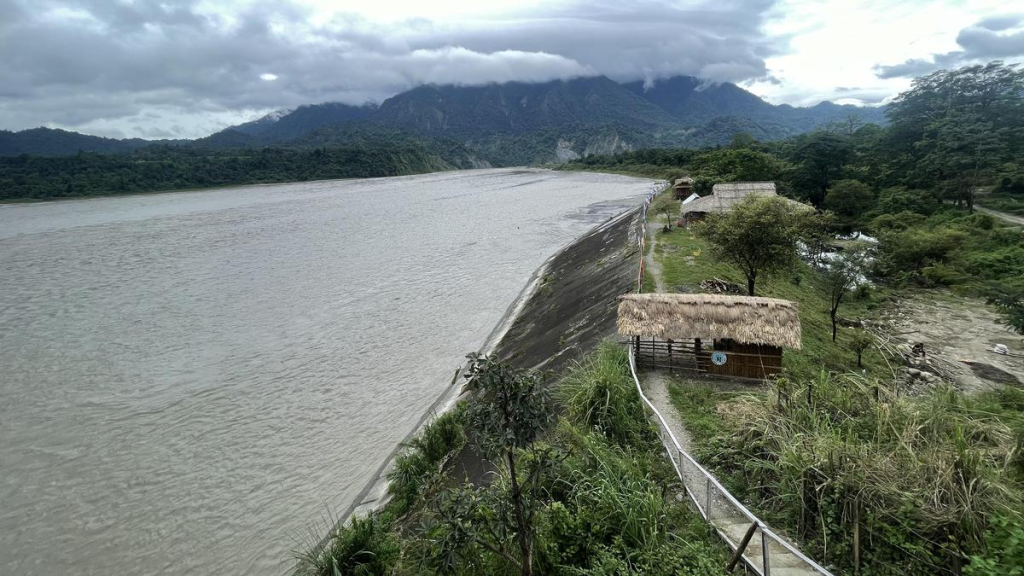
Critical Minerals and India’s Strategic Imperatives
- Lithium, cobalt, graphite, nickel and rare earth elements increasingly shape industrial competition and energy transitions.
- Batteries, semiconductors, renewable technologies and defence systems all depend on critical minerals making them strategically vital.
- India continues to depend on imports for several critical minerals and has consequently expanded domestic exploration efforts significantly.
- The Geological Survey of India undertook 43 critical mineral exploration projects across northeastern states.
Northeast India as a Strategic Resource Hub
- The Ministry of Mines platforms described Manipur as a “quiet mineral frontier” and Arunachal Pradesh as a “resource-rich frontier”.
- Exploration is covering graphite, vanadium, lithium, rare earth elements, nickel and cobalt across Arunachal Pradesh, Meghalaya, Assam, Nagaland and Manipur.
- In Manipur specifically, projects involving nickel, cobalt and chromium exploration have recently been initiated.
Changing Strategic Significance of Northeast India
- For decades, the northeast figured in national strategy largely through the language of borders, insurgencies and security.
- Today, critical minerals are discussed alongside trade corridors and geopolitical access, resource security and territorial security are converging.
- The repeated use of the word “frontier” reveals how the State imagines these spaces, as landscapes awaiting integration and development.
- Places once viewed as sensitive border regions are now increasingly seen as strategic economic assets.
Challenges
- The hills and valleys of the northeast contain dense social and political worlds structured around customary land systems and long-standing relationships with territory.
- In Manipur, years of violence and displacement have intensified debates over land and territorial arrangements significantly.
- Resource extraction enters landscapes that already possess institutions, histories and community identities of their own.
- Connectivity projects have sometimes arrived without corresponding economic ecosystems leaving communities economically marginalised.
- Strategic considerations have frequently overshadowed questions of participation, representation and local inclusion in past projects.
Way Forward
- Resource development must ensure that local communities actively shape decisions about their land and resources.
- Institutional frameworks must be strengthened before extraction begins to manage social and ecological consequences effectively.
- The northeast requires infrastructure, employment and economic opportunities that have remained uneven for decades.
The real question is whether this new frontier will include the people who already inhabit it or merely assign another purpose to the land beneath their feet.
