

Historical Background
- The IPC had no clear definition of child sexual abuse, and non-penetrative assault and child pornography were not recognised as separate offences. India’s ratification of UNCRC in 1992 created international obligations to establish a specialised legal framework for child protection, investigation, and victim support.
- The 172nd Law Commission Report specifically recommended enacting a distinct law to address sexual crimes against children.
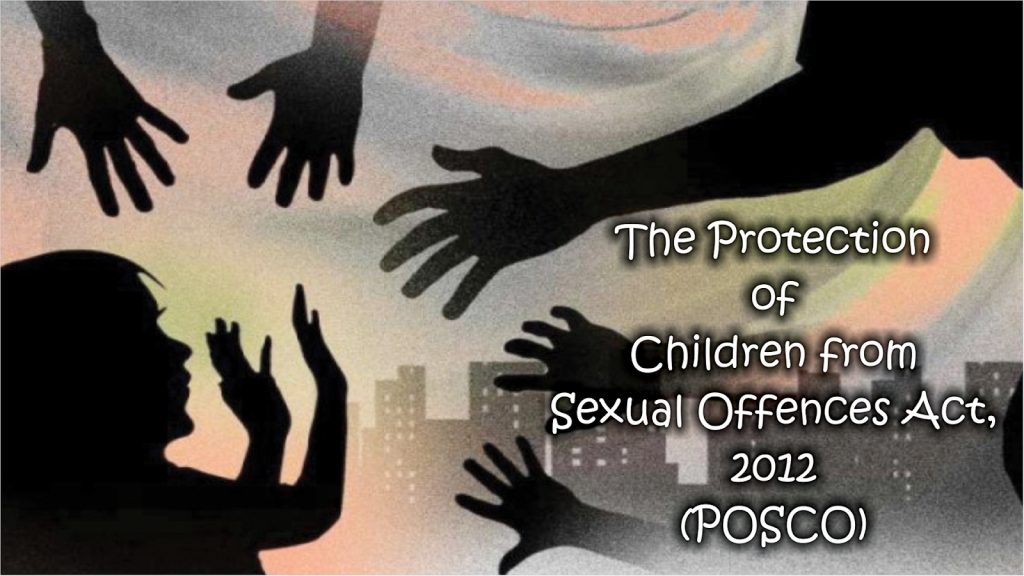
- These events thus led to the enactment of the Protection of Children from Sexual Offences (POCSO) Act, 2012.
Key Objectives of POCSO Act
- Safeguard children below 18 years from sexual assault, harassment, and pornography.
- Ensure gender-neutral coverage, protecting both boys and girls equally under the law.
- Provide child-friendly procedures for reporting, medical examination, and trial to minimise trauma.
- Make reporting of child sexual offences a mandatory legal duty for individuals and institutions.
- Establish Special Courts for speedy disposal of cases within prescribed timelines.
- Prescribe enhanced penalties including life imprisonment and death penalty after the 2019 amendment.
Key Changes in the 2019 Amendment
- Introduced the death penalty for aggravated penetrative sexual assault.
- Increased minimum sentences to 10–20 years for penetrative offences and 20 years to life for aggravated offences.
- Expanded the definition of child pornography to include storage, browsing, and transmission.
- Enhanced punishment for pornography-related offences to 3–7 years and 5–10 years for repeat offenders.
- Strengthened victim protection through interim compensation and support person provisions under Rules 2020.
Criticisms and Challenges
- Many POCSO cases involve romantic relationships among 16–18 year olds, leading to criminal charges against boys despite the girl’s consent, raising serious concerns about over-criminalisation of adolescent relationships.
- Weak evidence collection, hostile witnesses, and procedural lapses continue to result in low conviction rates, reducing the Act’s overall effectiveness.
- Despite the existence of fast-track courts, many cases exceed mandated timelines due to shortage of judges, forensic delays, and high pendency.
- The Act is sometimes misused in family or custody disputes to pressure the opposite party, burdening courts with false or exaggerated complaints.
- Critics argue that the death penalty may lead to underreporting, especially since over 90% of cases as per NCRB data involve perpetrators known to the child.
- Compensation delays, lack of counsellors, and inconsistent support-person mechanisms continue to weaken post-abuse rehabilitation.
- The absence of a centralised monitoring system makes it difficult to track investigation quality, pendency, or trial outcomes at the policy level.
Way Forward
- Dedicated child protection units, timely forensic examination, and better use of DNA and FSL infrastructure are needed to strengthen investigation capacity.
- The number of POCSO courts must be increased, judicial vacancies filled, and case completion mandated within one year to improve fast-track court efficiency.
- Mandatory specialised training for police, prosecutors, medical staff, counsellors, and Child Welfare Committee members will ensure standardised institutional response.
- More child-friendly courts, support persons, counselling facilities, separate waiting rooms, and video-conferencing testimonies will help reduce trauma during trial.
- Community-based reporting mechanisms, school awareness programmes, and sensitisation of parents and teachers are essential to reduce underreporting.
- Judicial and legislative clarity is needed to prevent criminalisation of consensual relationships among teenagers while maintaining child protection standards.
- Timely compensation, long-term psychological care, safe shelter homes, and monitored reintegration are essential to strengthen rehabilitation mechanisms.
