

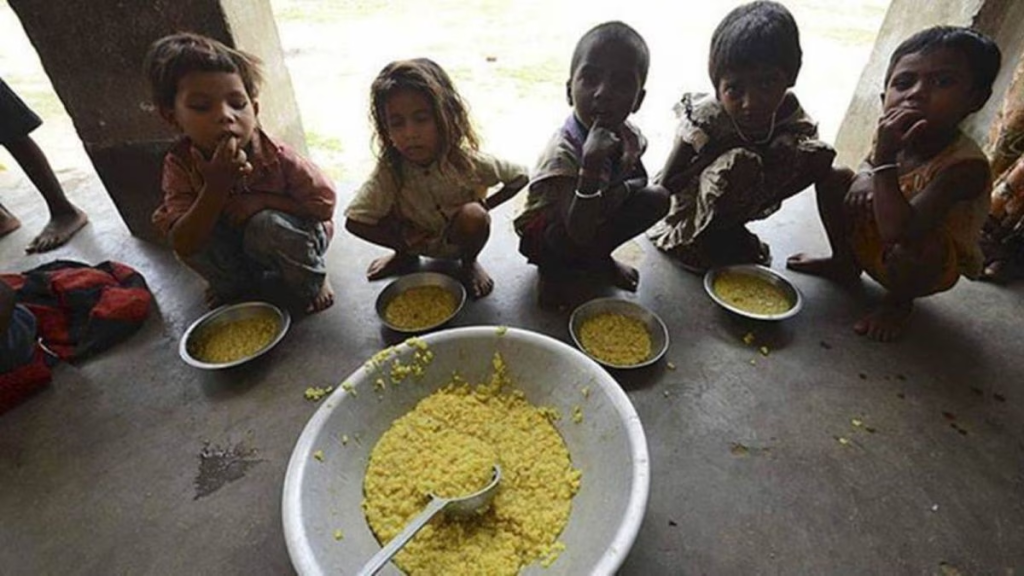
Context: India’s development discourse is increasingly recognising that education outcomes cannot improve in isolation from child health and nutrition. Despite sustained policy efforts under initiatives like POSHAN Abhiyaan, ICDS, and NEP 2020, India continues to face high levels of stunting, wasting, and learning gaps.
Early Childhood as the Critical Window
- Early Childhood Development (ECD) is a life-cycle stage (0–6 years) where nutrition, health, and caregiving shape cognitive and physical growth.
- Evidence shows that poor early childhood conditions lead to irreversible deficits, affecting schooling, productivity, and long-term earnings.
- This creates a paradox where returns on later educational investments remain limited if foundational development is weak.
- Early childhood is not just a welfare concern but a strategic investment in human capital formation.
How Learning Outcomes Depend on Child Health
- Nutrition-Cognition Link: Malnutrition directly affects brain development, attention span, and learning ability.
- Health and School Readiness: Poor health conditions reduce attendance, participation, and comprehension levels.
- Caregiving Environment: Responsive parenting and early stimulation influence language development and socio-emotional skills.
- Evidence from India: National surveys continue to show persistent gaps in foundational literacy and numeracy, alongside high malnutrition rates.
Persisting Issues
- Fragmentation in Service Delivery
- Siloed Governance: Health, nutrition, and education sectors operate with separate objectives and delivery systems, reducing effectiveness.
- Limited Convergence: Despite programmes, there is insufficient integration across Anganwadis, schools, and health systems.
- Delivery Gaps: Quality of services remains uneven, affecting last-mile beneficiaries, especially in vulnerable regions.
- Structural and Social Challenges
- Persistent Malnutrition: High levels of stunting, wasting, and anaemia indicate deep-rooted socio-economic issues.
- Socio-Economic Inequalities: Children from disadvantaged backgrounds face compounded risks of poor health and poor learning outcomes.
- Urban Informal Sector Gaps: Migrant and informal workers’ children lack access to continuous care and early education services.
- Care Burden on Women: Lack of childcare support limits female labour force participation, reinforcing intergenerational disadvantage.
Key Policy Insights and Innovations
- Anganwadi Transformation:
- Integrate nutrition, early learning, and parental engagement
- Use Anganwadis as hubs for holistic child development
- Mobile Creches Model: Demonstrates feasibility of providing childcare services in informal urban settings
- Urban Anganwadi Expansion: Critical for addressing needs of migrant and informal workforce children
- Community-Based Childcare: Localised models can improve access, continuity, and quality of services
Way Forward
- Strengthen Convergence: Align health, nutrition, and education systems through coordinated planning and shared outcomes.
- Invest in Early Childhood: Prioritise ECD as a core pillar of human capital strategy.
- Enhance Anganwadi Capacity: Improve infrastructure, training, and service quality.
- Expand Childcare Services: Scale up models like community creches and urban childcare centres.
- Support Women’s Workforce Participation: Link childcare policies with labour and social protection frameworks.
- Improve Monitoring and Accountability: Focus on outcomes, not just inputs, in child development programmes.
Conclusion
- The link between child health and learning outcomes underscores a fundamental truth: education reform begins long before a child enters school. For India to realise its demographic dividend and achieve Viksit Bharat 2047, it must invest in healthy, nourished, and well-supported children, ensuring that every child not only survives but thrives and learns effectively.
