

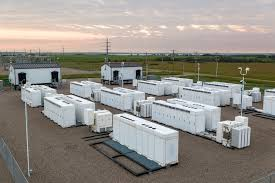
Context: India’s record peak electricity demand of 256.1 GW (April 2026) exposed the growing gap between rapid solar capacity expansion and inadequate battery storage infrastructure.
India’s Solar Capacity
- India’s solar energy sector has witnessed rapid expansion, with solar accounting for nearly 28% of installed electricity capacity in 2026, compared to around 15% in 2022.
- On April 25, 2026, solar power supplied a record 21.5% of afternoon electricity demand, highlighting its growing role in India’s energy transition.
- However, solar contributed only 10.8% of total daily generation and merely 0.1% of evening demand, reflecting limitations in energy storage and utilisation.
- India also witnessed significant solar curtailment in 2025, with nearly 2.3 TWh of renewable electricity going unused due to grid and storage constraints.
Why Battery Storage Matters
- Ensuring Round-the-Clock Renewable Energy Supply
- Battery systems store surplus daytime solar generation and supply electricity during evening peak demand hours, when solar generation declines sharply.
- Enhancing Grid Stability
- Storage infrastructure helps manage fluctuations in renewable energy generation, thereby improving grid reliability and operational stability.
- Reducing Renewable Energy Curtailment
- Adequate storage minimises wastage of generated electricity and prevents financial losses arising from compensation for undelivered power.
- Strengthening Energy Security
- Battery storage reduces dependence on coal-based peaking power plants, supporting India’s long-term decarbonisation goals.
- Addressing Climate Vulnerability
- With IMD forecasting a below-normal monsoon (92% of Long Period Average), reliable daytime renewable energy becomes increasingly important amid rising temperatures and electricity demand.
Associated Challenges
- Extremely Low Storage Capacity
- India had only 0.7 GWh of operational battery storage capacity by end-2025, with limited addition expected in the near term.
- Slow Project Execution
- Renewable energy deployment has progressed faster than actual commissioning of storage infrastructure.
- Financing Constraints
- Aggressively bid low-tariff renewable projects face difficulties in securing sustainable financing for storage integration.
- Grid Integration Issues
- States with high solar generation are often required to curtail supply to maintain grid stability and frequency balance.
- Dependence on Imported Technology
- India remains dependent on imports for critical battery components and advanced storage technologies.
Way Forward
- Mandate Co-located Storage: Pair every new solar power project with integrated battery storage systems.
- Accelerate Project Commissioning: Shift policy focus from tender announcements to timely operationalisation of projects.
- Strengthen Domestic Manufacturing: Expand indigenous battery manufacturing through PLI schemes and industrial incentives.
- Enhance Grid Modernisation: Invest in smart grids and transmission infrastructure for efficient renewable integration.
- Improve Financing Ecosystem: Develop long-term financing and viability gap support for storage projects.
- Promote Research and Innovation: Encourage development of advanced battery technologies and recycling mechanisms.
Conclusion
- India’s rapid solar expansion marks a significant step towards clean energy transition, but the absence of adequate battery storage limits its transformative potential. Sustainable energy security will depend on building storage systems capable of ensuring reliability, grid stability, and round-the-clock renewable power availability. In the absence of storage integration, solar capacity risks remaining a “half-built bridge” in India’s green energy transition.
